Glossary

What is Degenerative Disc Disease?

Degenerative Disc Disease is a condition where the discs between the vertebrae in the spine wear down over time, losing hydration and cushioning ability. This natural aging process can cause pain, stiffness. And reduced mobility, often affecting the lower back or neck. While not a true disease, it may lead to other spinal problems like herniated discs or spinal stenosis.

Reviewed by ChiropractorSavannah.comSources reviewed: American Academy of Orthopaedic Surgeons, Mayo Clinic

Quick Facts About Degenerative Disc Disease

Category

Spinal condition

Used for

Explaining age-related back or neck pain

Common confusion

Not a true disease—it’s a normal part of aging

Also called

DDD, Disc Degeneration

Often discussed with

Chiropractic Consultation and Diagnosis, Neck Injury Treatment

Key Takeaways About Degenerative Disc Disease

Understanding Degenerative Disc Disease
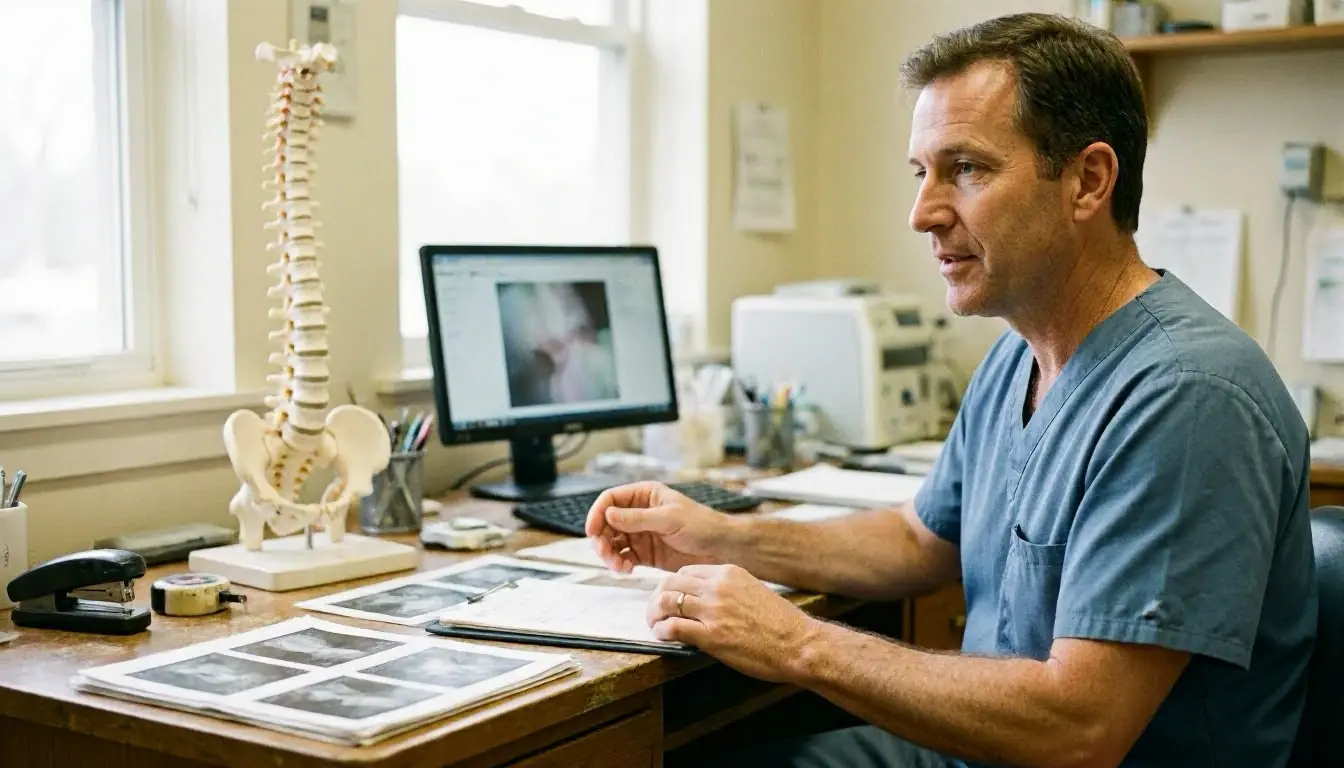
Degenerative Disc Disease in Chiropractor: Degenerative Disc Disease is a condition where the discs between the vertebrae—...

Degenerative Disc Disease is part of aging. It changes the discs in your spine.

Related glossary terms: Disc Herniation, Spinal Stenosis, Back Pain.

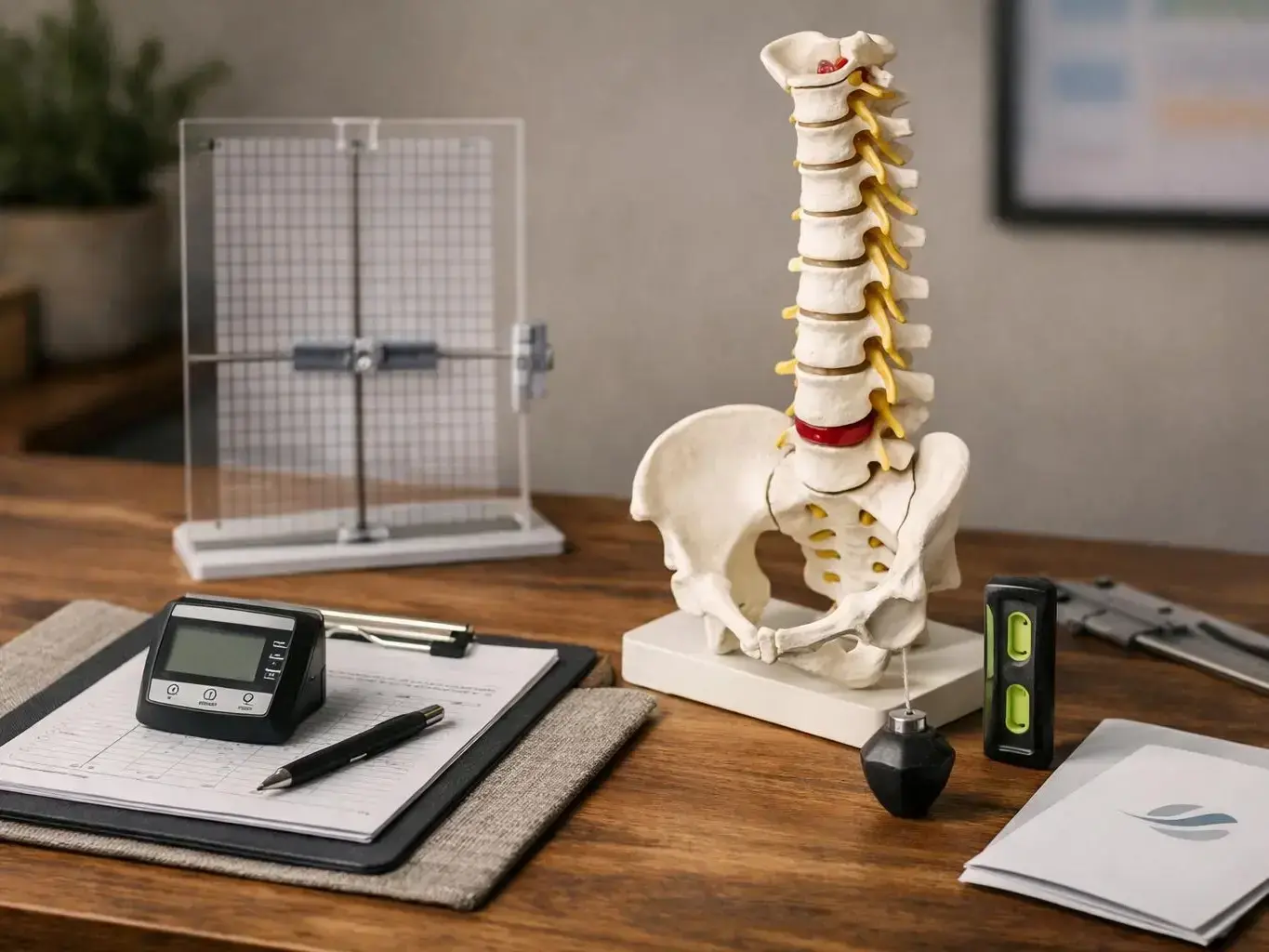
The spine has bones called vertebrae. Discs sit between them like cushions.

When young, discs are mostly water. This helps them absorb shock.

They keep your spine flexible too. But as you age, discs lose water.

They get thinner. This makes them worse at cushioning bones.

This can cause pain. The lower back or neck often hurt most.

The name "disease" sounds scary. But it's not an illness.

It doesn't spread. It's not from germs.

It just means discs break down over time. Everyone gets it as they age.

Some people feel no pain. Others have pain that hurts daily life.

Genes, smoking. And weight can speed this up. So can stress on the spine.

How Degenerative Disc Disease Works?

Each disc has two parts. The outer part is tough.

It's called the annulus fibrosus. It keeps the disc in place.

The inner part is soft. It's called the nucleus pulposus.

It's like gel. It gives the disc its cushion.

As you age, the gel loses water. The outer part can tear.

These changes make discs weaker. They can't absorb shock as well.

This can cause problems. Bones may rub together.

Nerves can get pressed too. This leads to pain or numbness.

A disc may bulge out. This is called a herniated disc.

It can collapse too. This makes the spine space smaller.

That's called spinal stenosis. It can pinch nerves.

Pain may shoot down arms or legs. You might feel weak.

Doctors use tests to check discs. X-rays or MRIs show changes.

Why Degenerative Disc Disease Matters?
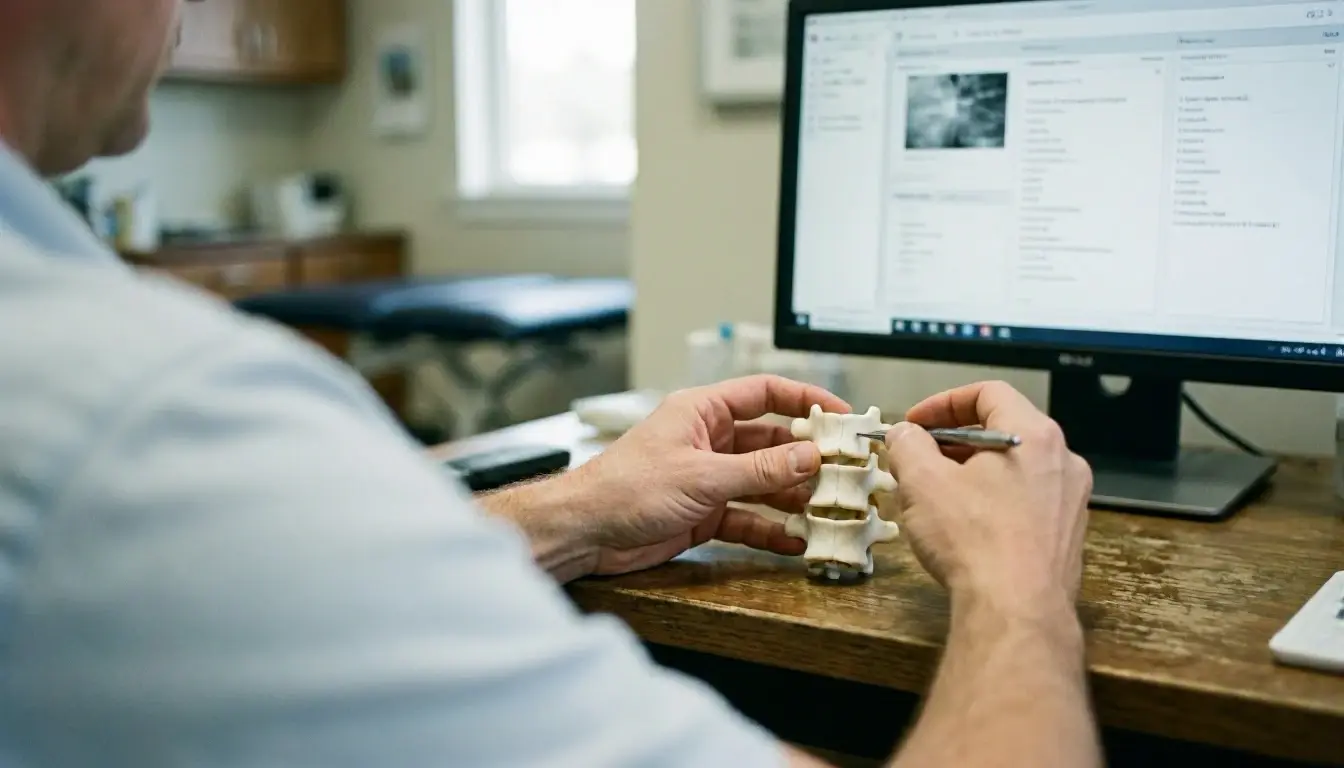
How Degenerative Disc Disease applies to Chiropractor services in Savannah, United States—practical illustration

This disease can hurt your life. Pain may be in your back or neck.

It can make work hard. Exercise may be tough too.

Simple tasks can hurt. Bending or sitting may cause pain.

Pain may come and go. For some, it never stops.

It can limit what you do. You might lose some freedom.

Knowing about it helps. You can pick treatments better.

You can't fix this disease. But you can slow it down.

You can also ease the pain. Stay at a healthy weight.

Move often. Stand and sit tall.

These things help your spine. You can try other treatments too.

Physical therapy may help. So can chiropractic care.

Medicine can ease pain. Surgery is a last choice.

When Degenerative Disc Disease Matters Most?

This disease matters when it hurts daily life. Pain may hit while sitting.

Driving may hurt. Lifting groceries can too.

You may need help. Treatments can bring back comfort.

Nerves can get squeezed. This causes tingling or weakness.

Early help can stop worse problems. Don't wait too long.

Some jobs raise risks. Heavy lifting is one.

Bending a lot is another. Sitting too long can hurt too.

Jobs like construction can stress your spine. So can nursing.

Office work can too. Sports with hard impacts may speed this up.

In Savannah, GA, many work outside. Some do hard labor.

Knowing this helps. You can protect your spine better.

Get help if you need it. Don't ignore the pain.

How to Evaluate Degenerative Disc Disease?

Related Concepts Compared

Degenerative Disc Disease vs. Herniated Disc

A herniated disc occurs when the inner gel of a disc leaks out through a tear in the outer layer, often causing sharp pain or nerve compression. Degenerative Disc Disease refers to the gradual wearing down of the disc over time.

Degenerative Disc Disease vs. Spinal Stenosis

Spinal stenosis is the narrowing of the spinal canal, which can compress nerves. Degenerative Disc Disease can contribute to stenosis by reducing disc height and causing vertebrae to shift closer together.

Expert Note

Degenerative Disc Disease is often overdiagnosed based on imaging alone. Many people have disc changes visible on MRI but no symptoms. The key is correlating imaging findings with a patient’s pain patterns and physical exam to guide treatment effectively.

Common Mistakes or Myths About Degenerative Disc Disease

  • Assuming Degenerative Disc Disease always causes severe pain—many people have it without symptoms.
  • Believing it can be cured—treatment focuses on managing symptoms, not reversing disc changes.
  • Ignoring posture and movement habits that can worsen disc degeneration over time.
  • Confusing it with a herniated disc, which involves a specific tear rather than gradual wear.

Degenerative Disc Disease in Practice: A Real-World Example

A 50-year-old office worker in Savannah, GA, notices increasing lower back pain after sitting at their desk all day. They feel stiff when standing up and find it harder to bend down to pick up their grandchild. An MRI shows thinning discs in their lumbar spine, confirming Degenerative Disc Disease. Their chiropractor recommends stretches, posture adjustments. And periodic spinal adjustments to manage the pain.

Sources & Further Reading on Degenerative Disc Disease

Related Services

Related Terms

Disc Herniation

Disc Herniation is a spinal condition where the soft, gel-like center of an intervertebral disc pushes through a tear in the disc’s tough outer layer. This can irritate nearby nerves, causing pain, numbness. Or weakness in the back, neck, arms. Or legs. Disc herniations often occur in the lower back or neck due to injury, aging.

Spinal Stenosis

Spinal Stenosis is a narrowing of the spaces within the spine, which can put pressure on the nerves that travel through it. This condition most commonly occurs in the lower back and neck and is often caused by age-related wear and tear, arthritis. Or injury. Symptoms may include pain, numbness, muscle weakness.

Back Pain

Back Pain is discomfort or soreness anywhere along the spine, from the neck to the lower back. Back Pain can be sharp, dull, constant. Or occasional. And may spread to arms, legs. Or other body parts. It often results from muscle strain, joint dysfunction, disc problems.

Sciatica

Sciatica is nerve pain that starts in the lower back and travels down one leg, often caused by pressure on the sciatic nerve. Sciatica symptoms include sharp pain, tingling, numbness. Or weakness along the path of the nerve, typically affecting only one side of the body. Sciatica can result from a herniated disc, spinal stenosis. Or muscle tightness.

Spinal Adjustment

Spinal Adjustment is a manual procedure performed by a chiropractor to apply controlled force to a specific joint in the spine. The goal is to improve spinal motion, reduce nerve irritation. And restore proper alignment to help the body function better and relieve pain without surgery or medication.

ChiropractorSavannah.com

Have Questions About Degenerative Disc Disease?

Contact ChiropractorSavannah.com for practical guidance on Degenerative Disc Disease and related chiropractor work in Savannah.

+1 912-378-1371