Glossary

What is Sciatica?

Sciatica is nerve pain that starts in the lower back and travels down one leg, often caused by pressure on the sciatic nerve. Sciatica symptoms include sharp pain, tingling, numbness. Or weakness along the path of the nerve, typically affecting only one side of the body. Sciatica can result from a herniated disc, spinal stenosis. Or muscle tightness.

Reviewed by ChiropractorSavannah.comSources reviewed: Mayo Clinic, National Institute of Neurological Disorders and Stroke

Quick Facts About Sciatica

Category

Nerve pain condition

Used for

Diagnosing and treating lower back and leg pain

Common confusion

Often mistaken for general back pain or muscle strain

Also called

Sciatic nerve pain, Lumbar radiculopathy

Often discussed with

Chiropractic Consultation and Diagnosis, Work Injury Treatment

Key Takeaways About Sciatica

Understanding Sciatica
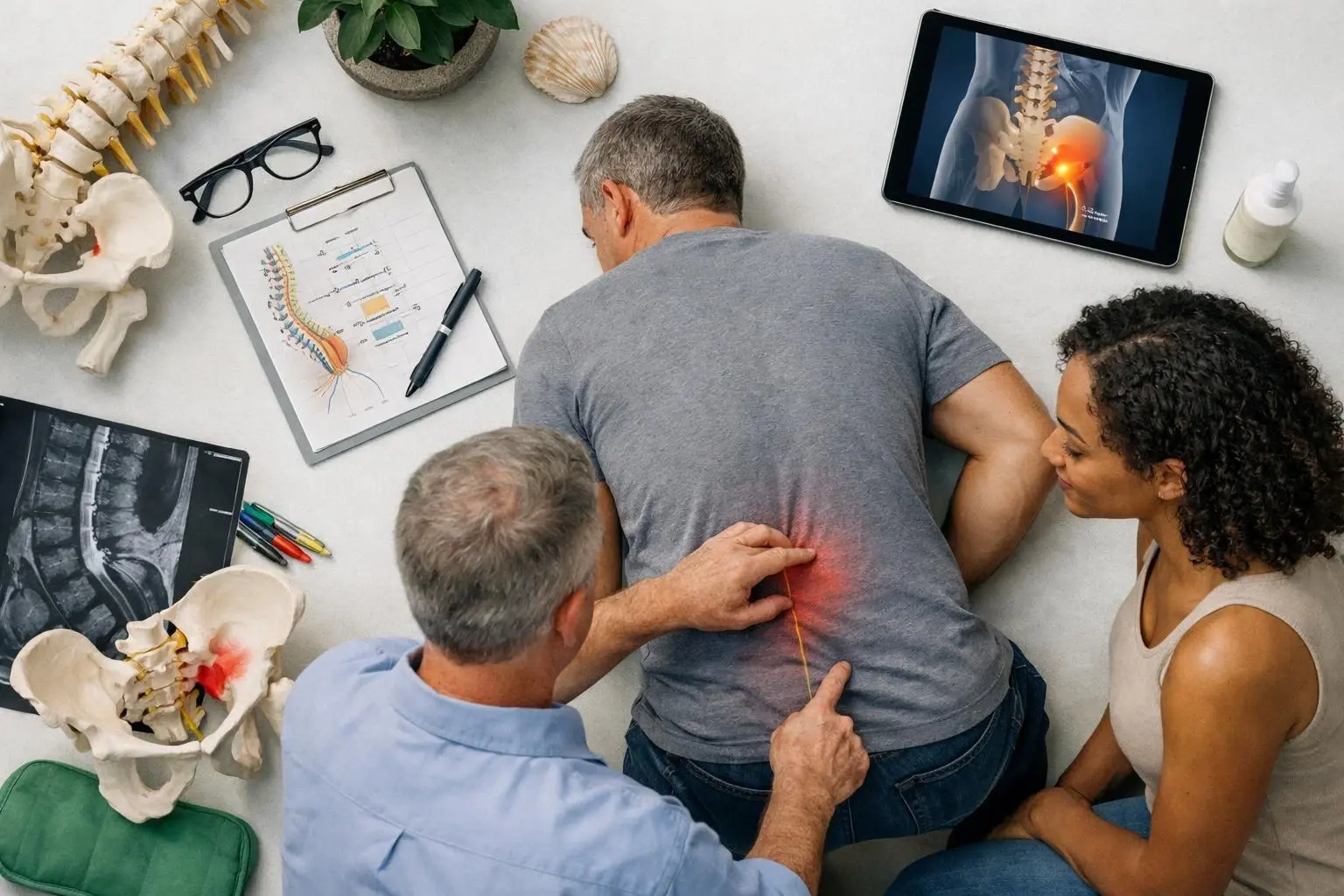
Sciatica in Chiropractor: Sciatica is nerve pain that starts in the lower back and travels—visual guide

Sciatica is nerve pain. It starts in your lower back. It shoots down your leg.

Related glossary terms: Herniated Disc, Spinal Stenosis, Nerve Compression.

The sciatic nerve is the longest nerve. It runs from your lower back. It goes through your buttocks and down each leg.

This nerve can get squeezed or hurt. That causes pain, tingling. Or numbness. You may feel weak too.

Sciatica is not a disease. It's a sign of another problem. That problem could be a herniated disc (a bulging cushion in your spine).

It could also be spinal stenosis (a narrow spine). Or piriformis syndrome (a tight butt muscle).

How Sciatica Works?

Most people feel sciatica on one side. The pain can be mild or very bad.

Bad pain makes it hard to walk. It can hurt to stand or sit. Some feel burning or sharp shocks.

Others feel a dull ache. Or their leg goes numb. The nerve also controls muscles.

So sciatica can make your leg weak. That makes it hard to move your foot.

The sciatic nerve starts in your lower back. Nerve roots join to form it.

It goes through your pelvis. Then down the back of your thigh. It ends in your lower leg.

Something may press on a nerve root. Like a herniated disc or bone spur (a bony bump).

A tight muscle can also hurt it. The nerve sends pain signals to your brain.

The pain depends on which root is hurt. It also depends on how bad the squeeze is.

A herniated disc happens when a cushion bulges. It can press on a nerve root.

Spinal stenosis means your spine gets narrow. That squeezes your nerves.

Piriformis syndrome happens when a butt muscle spasms. It can irritate your sciatic nerve.

Pregnancy or sitting too long can also cause sciatica. They put pressure on the nerve.

  • Herniated disc: A bulging cushion presses on a nerve.
  • Spinal stenosis: Your spine gets narrow and squeezes nerves.
  • Piriformis syndrome: A butt muscle spasms and hurts the sciatic nerve.
  • Degenerative disc disease: Spine cushions wear out and irritate nerves.

Why Sciatica Matters?

How Sciatica applies to Chiropractor services in Savannah, United States—practical illustration

Sciatica can make daily life hard. It hurts to walk or sit long.

It can mess with work and sleep. That can make you feel frustrated.

Most sciatica gets better with time. But bad cases may need a doctor.

Early help can stop worse problems. Like long-term pain or weak muscles.

Sciatica is a warning sign. It means your spine needs help.

Waiting too long can make it worse. You might get nerve damage.

Knowing the cause helps pick the best treatment. Chiropractors can help.

They use hands-on care. They also teach exercises. These help your nerve heal.

When Sciatica Matters Most?

You should treat sciatica fast if it's bad. Get help if pain comes after an injury.

Also see a doctor if your leg goes numb. Or if it feels very weak.

If you can't control your pee or poop, get help now. That's a medical emergency (cauda equina syndrome).

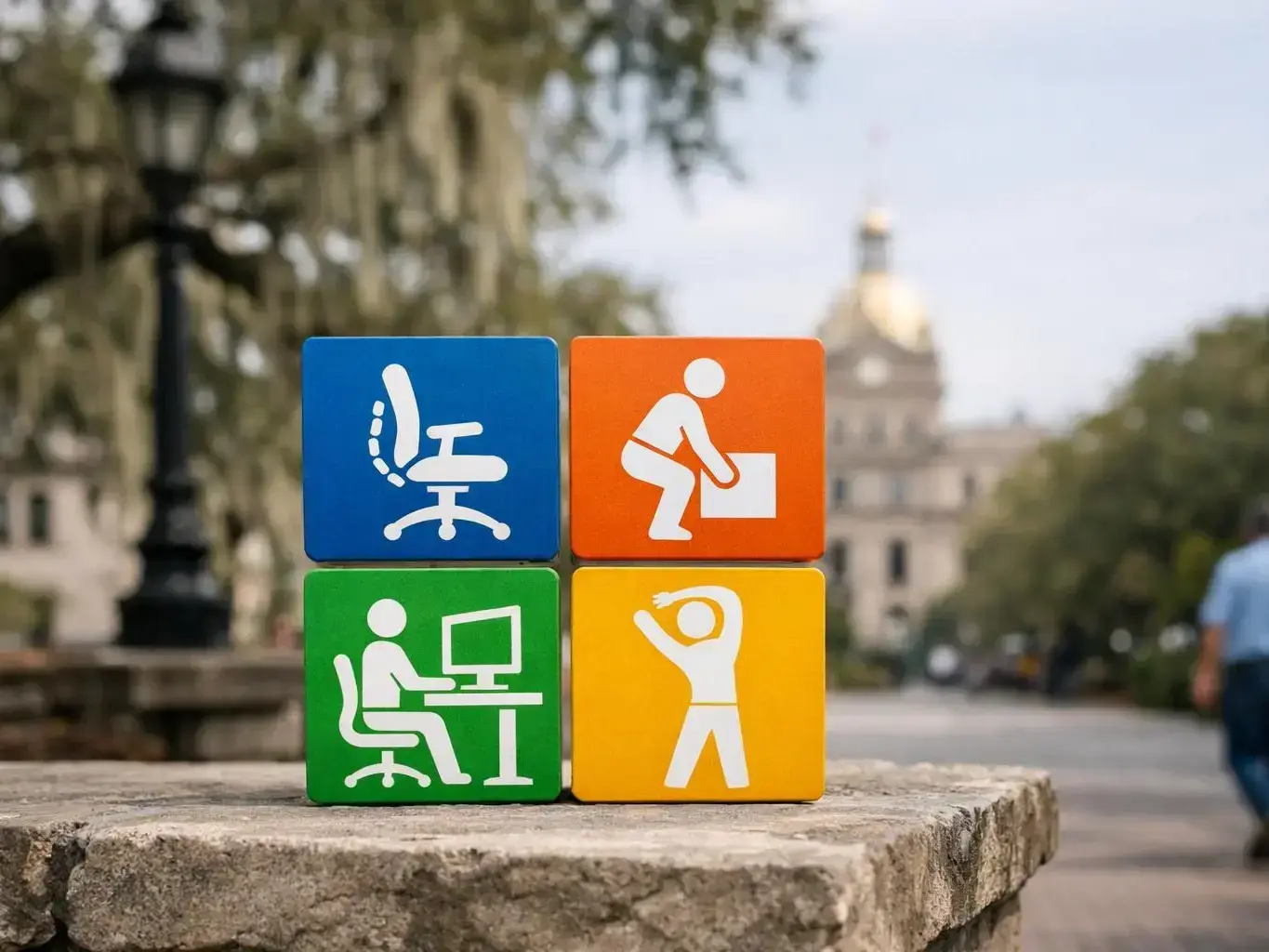
Some jobs raise your risk. Like lifting heavy things.

Sitting too long can also cause it. Truck drivers and office workers get it more.

Athletes may get sciatica too. So can pregnant women.

Their growing belly presses on the nerve.

  • Sudden, severe pain: May need help right away.
  • Numbness or weakness: Could mean nerve damage if ignored.
  • Loss of bladder or bowel control: An emergency called cauda equina syndrome.
  • Prolonged sitting or heavy lifting: Raises risk for sciatica.

In Savannah, GA, chiropractors help with sciatica. They find the cause of your pain.

Then they make a plan just for you. It may include spine fixes.

They might use soft tissue work. Or teach you exercises.

These strengthen your back and belly muscles.
How to Evaluate Sciatica?

Related Concepts Compared

Sciatica vs. Herniated disc

A herniated disc occurs when a spinal disc bulges or ruptures, often causing sciatica. Sciatica is the symptom (pain, tingling. Or numbness) resulting from nerve irritation. While a herniated disc is one possible cause.

Sciatica vs. Spinal stenosis

Spinal stenosis is a narrowing of the spinal canal that can compress nerves, leading to sciatica. Sciatica is the pain or numbness caused by nerve compression. While spinal stenosis is the structural issue causing it.

Sciatica vs. Piriformis syndrome

Piriformis syndrome involves muscle spasms in the buttocks that irritate the sciatic nerve. Sciatica is the pain or symptoms resulting from this irritation. While piriformis syndrome is the specific muscle-related cause.

Expert Note

Sciatica symptoms can mimic other conditions, such as hip bursitis or peripheral neuropathy. A thorough examination, including neurological tests and imaging, helps pinpoint the exact cause and tailor treatment effectively.

Common Mistakes or Myths About Sciatica

  • Assuming all lower back pain is sciatica—many conditions cause back pain without nerve involvement.
  • Ignoring mild symptoms, which can worsen over time if the underlying cause is not addressed.
  • Believing sciatica always requires surgery—most cases improve with non-surgical treatments.
  • Confusing sciatica with muscle strain or joint pain, which typically do not cause radiating leg symptoms.

Sciatica in Practice: A Real-World Example

A truck driver in Savannah, GA, experiences sharp pain in his lower back that shoots down his left leg after long hours on the road. He notices tingling and numbness in his foot, making it difficult to walk. After consulting a chiropractor, he learns his sciatica is caused by a herniated disc. And he begins a treatment plan that includes spinal adjustments and stretches to relieve pressure on the nerve.

Sources & Further Reading on Sciatica

Related Services

Related Terms

Herniated Disc

Herniated Disc is a spinal condition where the soft, gel-like center of an intervertebral disc pushes through a crack in the tougher outer layer, often pressing on nearby nerves. This can cause pain, numbness. Or weakness in the back, neck, arms.

Spinal Stenosis

Spinal Stenosis is a narrowing of the spaces within the spine, which can put pressure on the nerves that travel through it. This condition most commonly occurs in the lower back and neck and is often caused by age-related wear and tear, arthritis. Or injury. Symptoms may include pain, numbness, muscle weakness.

Nerve Compression

Nerve Compression is a condition where surrounding tissues such as bones, cartilage, muscles. Or tendons press against a nerve, disrupting its function. This pressure can cause pain, tingling, numbness. Or weakness in the affected area. Nerve Compression often occurs in the spine, wrists. Or elbows and may result from injury, repetitive motion.

Back Pain

Back Pain is discomfort or soreness anywhere along the spine, from the neck to the lower back. Back Pain can be sharp, dull, constant. Or occasional. And may spread to arms, legs. Or other body parts. It often results from muscle strain, joint dysfunction, disc problems.

Chiropractic Adjustment

Chiropractic Adjustment is a hands-on procedure where a licensed chiropractor applies controlled force to a specific joint in the spine or other body part to improve alignment, reduce pain. And restore movement. These adjustments are often performed using the chiropractor’s hands or a small instrument and may produce a popping sound as gas releases from the joint.

ChiropractorSavannah.com

Have Questions About Sciatica?

Contact ChiropractorSavannah.com for practical guidance on Sciatica and related chiropractor work in Savannah.

+1 912-378-1371