Understanding Spinal Stenosis
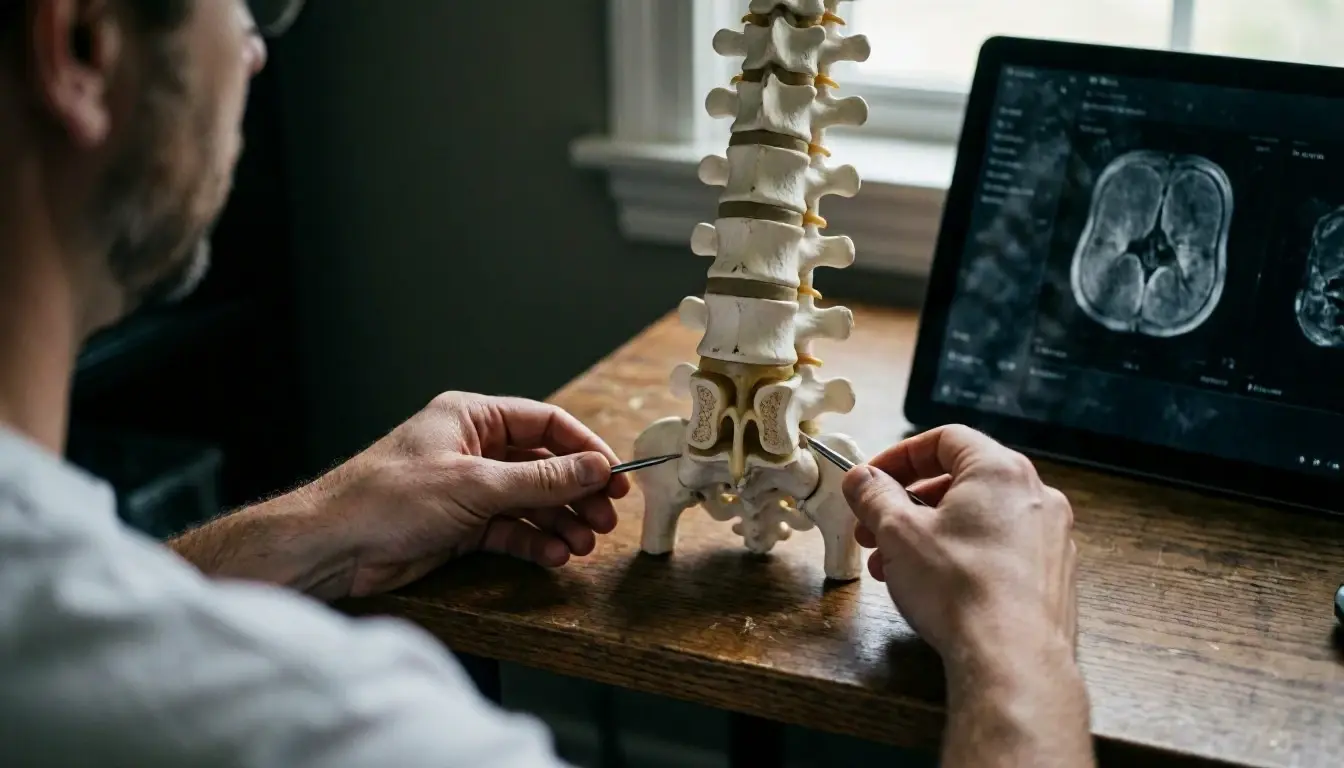
Spinal Stenosis is a medical condition where the spaces inside the spine become narrower over time. This narrowing can squeeze the spinal cord or the nerves branching out from it, leading to discomfort or pain. The spine is made up of bones called vertebrae, which stack together to protect the spinal cord. Between these bones are small openings where nerves exit to reach other parts of the body. When these openings shrink, the nerves can get pinched, causing symptoms like tingling, weakness. Or pain.
Most cases of Spinal Stenosis develop gradually as people age. The discs between vertebrae may dry out and shrink. While bones and ligaments can thicken or grow spurs. Arthritis, which wears down the cartilage in joints, is another common cause. Injuries, tumors. Or conditions like scoliosis can also lead to spinal narrowing. While some people with Spinal Stenosis have no symptoms, others may experience pain, numbness. Or difficulty walking, especially when standing or moving for long periods.
How Spinal Stenosis Is Diagnosed and Measured?
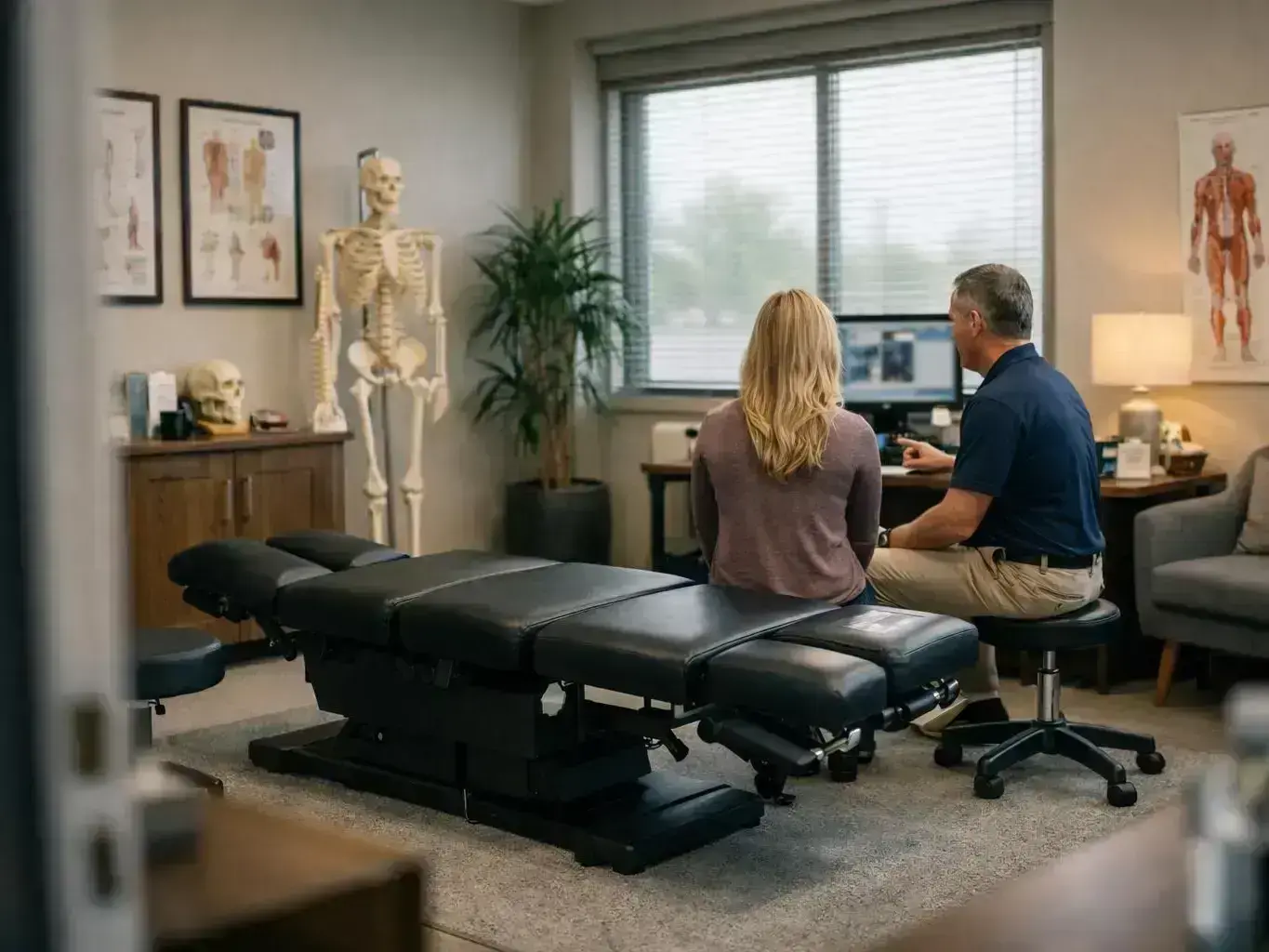
Doctors diagnose Spinal Stenosis by reviewing medical history, conducting a physical exam. And ordering imaging tests. During the exam, a healthcare provider may check for signs of nerve compression, such as weakness, reflex changes. Or reduced sensation in the legs or arms. Imaging tests like X-rays, MRI scans. Or CT scans help confirm the diagnosis by showing the exact location and severity of the narrowing. These images reveal whether the spinal cord or nerves are being compressed and can rule out other conditions, like herniated discs or tumors.
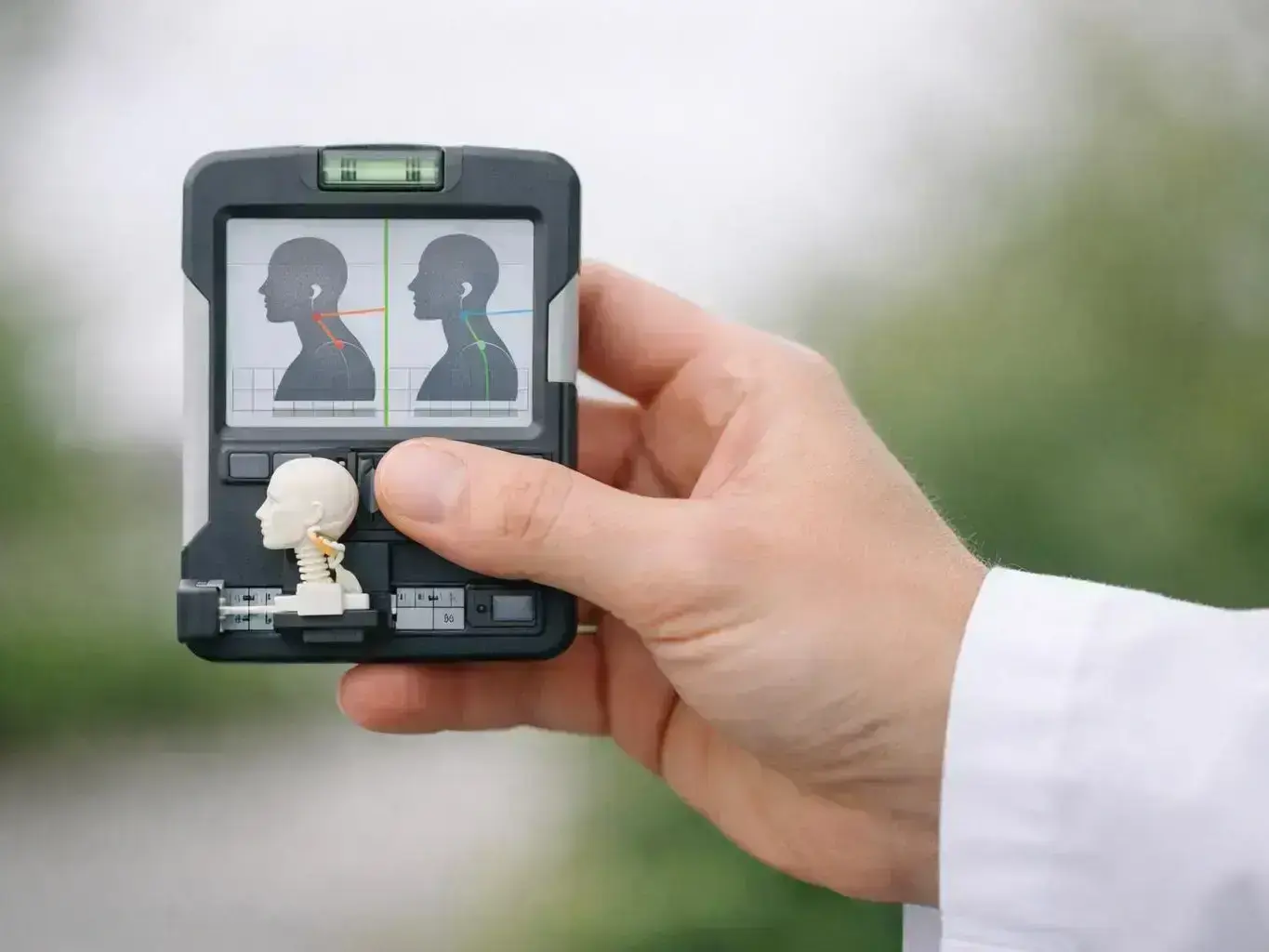
The severity of Spinal Stenosis is often described as mild, moderate. Or severe, based on how much the spinal canal has narrowed. Mild cases may cause occasional discomfort. While severe narrowing can lead to significant pain, muscle weakness. Or even problems with bladder or bowel control in rare instances. Chiropractors and physical therapists may also assess flexibility, strength. And posture to determine how the condition affects daily activities. Treatment plans are custom to the individual’s symptoms and the degree of narrowing.
Why Spinal Stenosis Matters?

Spinal Stenosis matters because it can significantly impact quality of life. When nerves are compressed, simple activities like walking, standing. Or bending can become painful or difficult. Over time, untreated nerve compression may lead to permanent muscle weakness or loss of sensation in the legs or arms. For older adults, Spinal Stenosis is a common cause of balance problems, increasing the risk of falls and injuries. Early diagnosis and management can help slow the progression of symptoms and improve mobility.
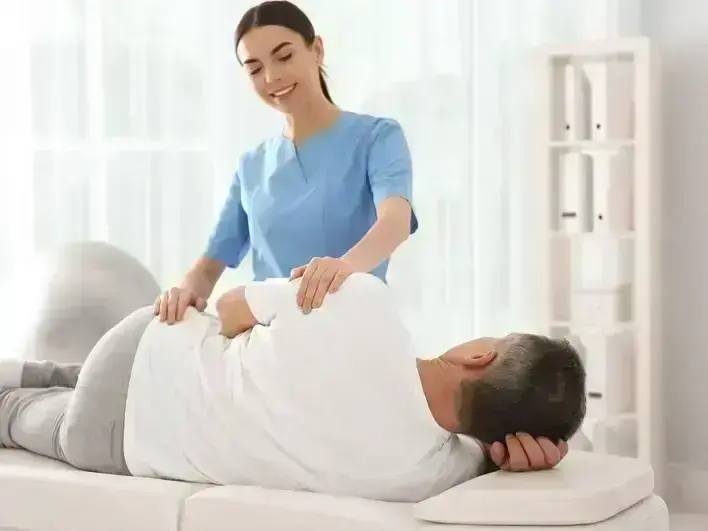
Beyond physical discomfort, Spinal Stenosis can also affect mental well-being. Chronic pain or limited mobility may lead to frustration, anxiety. Or depression. Addressing the condition early with non-surgical treatments, such as chiropractic care, physical therapy. Or lifestyle changes, can help maintain independence and reduce the need for more invasive procedures like surgery. Understanding the condition empowers individuals to make informed decisions about their health and seek appropriate care.
When Spinal Stenosis Matters Most?
Spinal Stenosis becomes especially important when symptoms interfere with daily life. For example, if walking short distances causes leg pain or numbness. Or if standing for more than a few minutes becomes unbearable, it may be time to seek medical advice. People who experience sudden weakness, loss of bladder control. Or severe balance issues should seek immediate care, as these could signal a medical emergency like cauda equina syndrome.
Many projects start with Spinal Stenosis also matters most for individuals with physically demanding jobs or active lifestyles. Athletes, laborers. Or anyone who relies on strength and mobility may notice symptoms earlier and require prompt treatment to stay safe and productive. In Savannah, GA, where outdoor activities like walking along River Street or gardening are common, managing Spinal Stenosis can help residents maintain their routines without discomfort. Regular chiropractic check-ups or ergonomic adjustments at work or home can also prevent symptoms from worsening.