Glossary

What is Spinal Adjustment?

Spinal Adjustment is a manual procedure performed by a chiropractor to apply controlled force to a specific joint in the spine. The goal is to improve spinal motion, reduce nerve irritation. And restore proper alignment to help the body function better and relieve pain without surgery or medication.

Reviewed by ChiropractorSavannah.comSources reviewed: American Chiropractic Association, National Center for Complementary and Integrative Health

Quick Facts About Spinal Adjustment

Category

Chiropractic technique

Used for

Back pain, neck pain, headaches, joint stiffness

Common confusion

Often mistaken for massage or surgery

Also called

Chiropractic Adjustment, Spinal Manipulation

Often discussed with

Chiropractic Consultation and Diagnosis, Work Injury Treatment

Key Takeaways About Spinal Adjustment

Understanding Spinal Adjustment
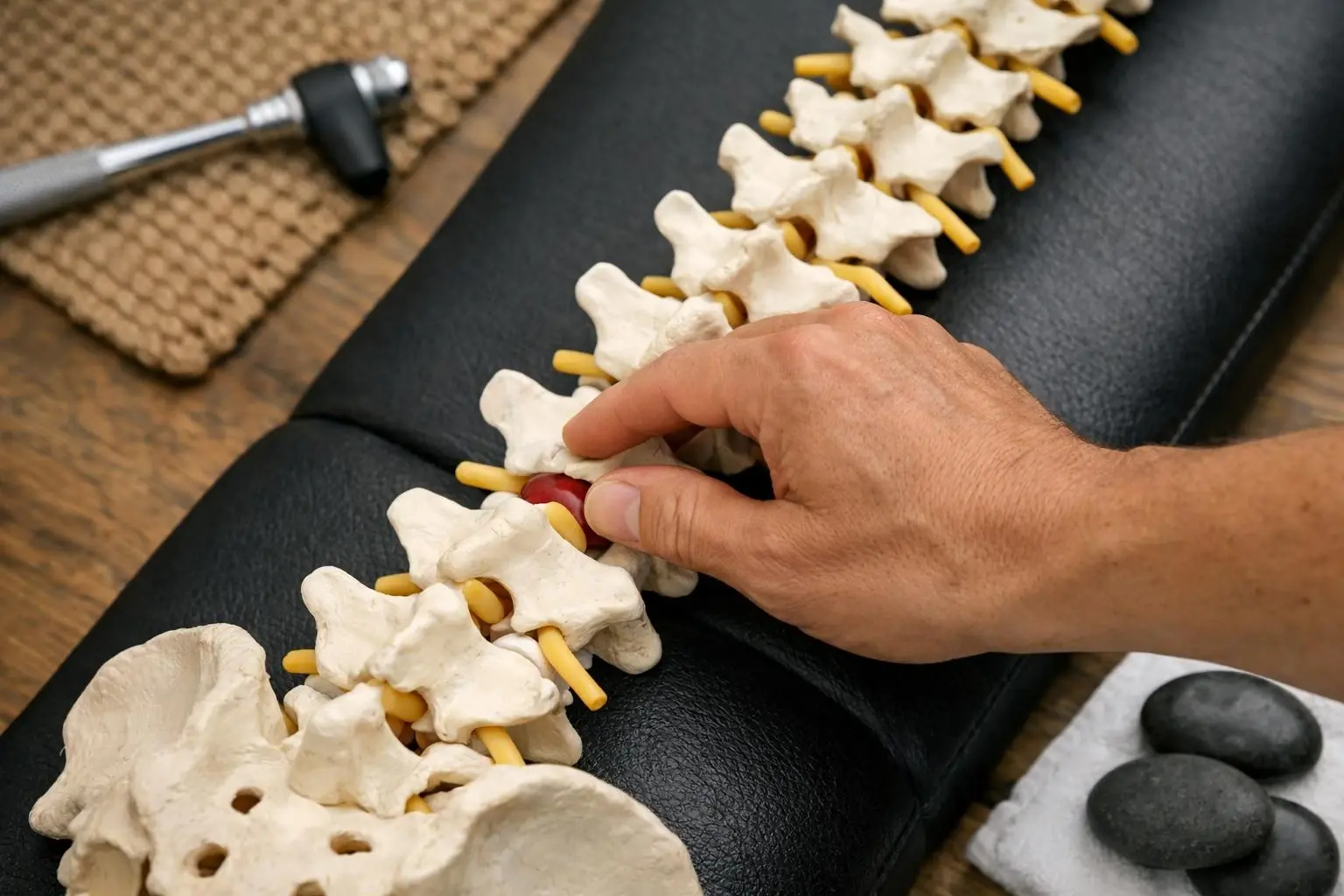
Spinal Adjustment in Chiropractor: Spinal Adjustment is a manual procedure performed by a chiropractor to apply—visual g...

A chiropractor fixes spine problems with their hands. They use a quick, gentle push. This helps the spine move right again.

Related glossary terms: Chiropractic Adjustment, Chiropractic Manipulation, Joint Dysfunction.

These problems are called subluxations (spine joints out of place). They can cause pain or stiffness. They may also stop nerves from working well.

The push is fast and careful. It moves a joint back where it belongs. Most people don’t feel pain during this.

You might hear a pop sound. This is just gas leaving the joint. It’s normal and safe.

Good spine alignment helps your whole body. When the spine moves right, nerves work better. Muscles relax and pain goes away.

Chiropractors use adjustments for many problems. These include back pain, neck pain. And headaches. They can also help arm or leg joint pain.

Adjustments work best with other treatments. These may be exercise, stretching. Or muscle work. Together, they give the best results.

How Spinal Adjustment Works?

The adjustment starts with a check-up. The chiropractor asks about your health. They do a physical exam too.

They may take X-rays or pictures. This helps them see your spine. They use this to plan your care.

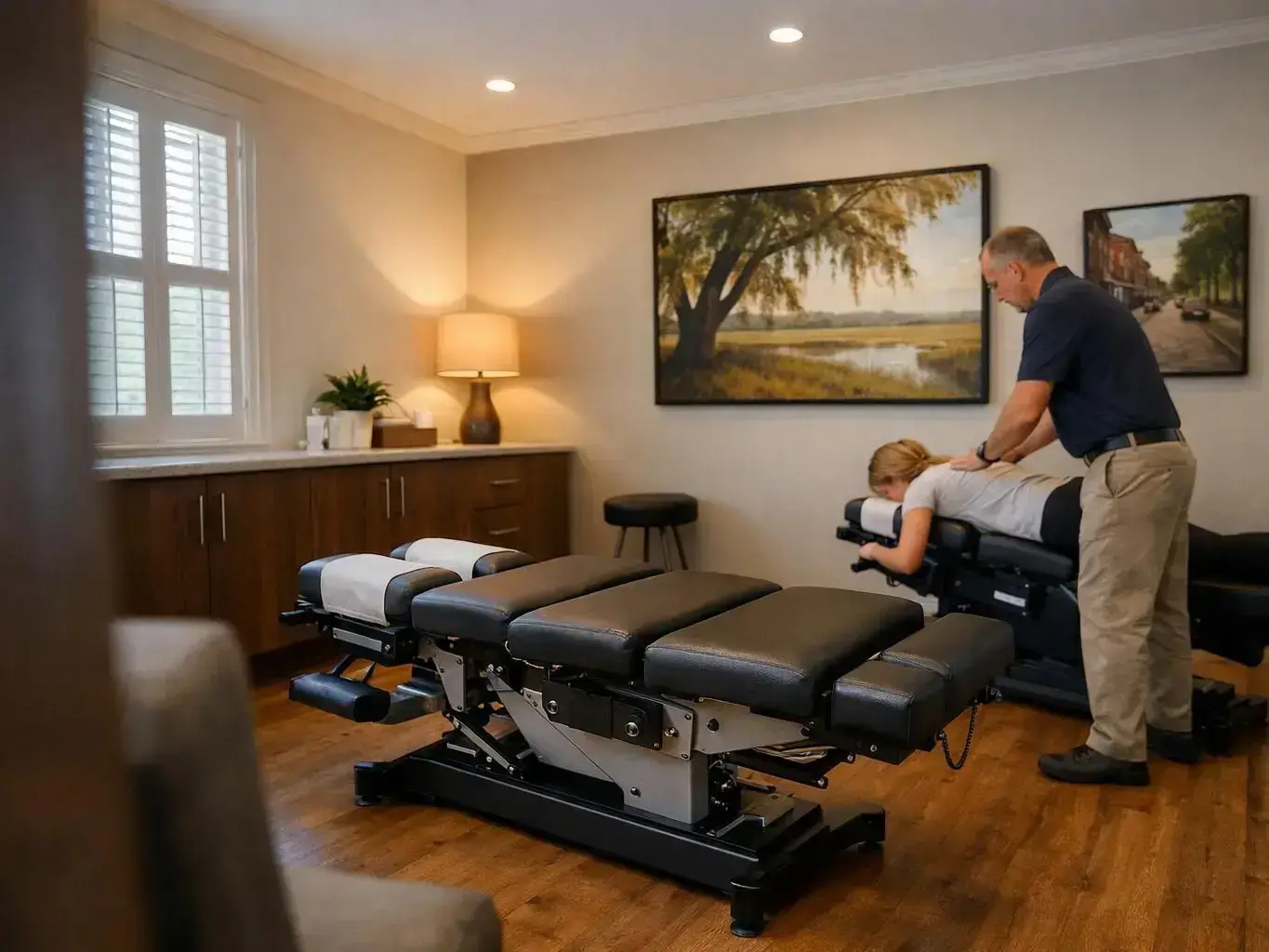
You lie on a special table. The chiropractor puts their hands on the problem joint. They give a quick, gentle push.

This push moves the joint a little further. It helps put the joint back in place. It works right away.

You might hear a pop. This sound is called cavitation (gas bubbles popping). It happens when pressure changes fast.

The pop doesn’t mean bones are breaking. It’s just gas leaving the joint. It’s normal and safe.

Many people feel better right after. Some may feel a little sore. This is like soreness after exercise.

Chiropractors often want you to come back. This keeps the benefits going. It also helps fix deeper problems.

Why Spinal Adjustment Matters?

How Spinal Adjustment applies to Chiropractor services in Savannah, United States—practical illustration

Spinal adjustments help with pain. They make moving easier. You don’t need medicine or surgery.

People with long-term back or neck pain can try this. It’s safe and works well. It helps the body heal itself.

Fixing the spine stops more problems later. It lowers the chance of getting hurt again. This is good for people who don’t want medicine.

Adjustments help with more than pain. They make your whole body work better. Good spine alignment helps posture too.

It eases muscle tightness. It helps nerves send signals right. This can help you sleep and feel more energy.

Many people add adjustments to their health routine. It’s like exercise or eating healthy. It keeps your spine strong.

When Spinal Adjustment Matters Most?

Adjustments help people with spine problems. This includes pain, stiffness. Or trouble moving. They work well for many issues.

Car accidents, sports. Or falls can hurt the spine. Adjustments help fix this stress. They also help long-term problems like sciatica.

Herniated discs (bulging spine cushions) can get better too. So can worn-out spine discs. Even bad posture from sitting can improve.

Adjustments stop big problems before they start. Regular visits catch small issues early. This is key for athletes or hard workers.

In Savannah, GA, weather and activity can stress joints. Adjustments help people stay mobile. They feel better all year.

How to Evaluate Spinal Adjustment?

Related Concepts Compared

Spinal Adjustment vs. Chiropractic Manipulation

Chiropractic manipulation is a broader term that includes any hands-on technique to improve joint function. While spinal adjustment specifically targets the spine with precise, controlled force.

Spinal Adjustment vs. Massage Therapy

Massage therapy focuses on relaxing muscles and improving circulation. While spinal adjustment aims to correct joint alignment and nerve function in the spine.

Spinal Adjustment vs. Physical Therapy

Physical therapy uses exercises and stretches to strengthen muscles and improve mobility. While spinal adjustment directly realigns the spine to restore joint function.

Expert Note

Spinal adjustments are highly effective for acute pain and mobility issues. But they work best as part of a comprehensive care plan. Combining adjustments with exercises, posture correction. And lifestyle changes leads to longer-lasting results.

Common Mistakes or Myths About Spinal Adjustment

  • Thinking spinal adjustments are painful—most people feel immediate relief.
  • Assuming one adjustment fixes everything—often, multiple visits are needed.
  • Confusing adjustments with massage—adjustments target joints, not muscles.
  • Believing adjustments are unsafe—when done by a licensed chiropractor, they are low-risk.

Spinal Adjustment in Practice: A Real-World Example

After a long day of lifting heavy boxes at work, John felt sharp pain in his lower back. His chiropractor performed a spinal adjustment, applying a quick thrust to a stiff joint in his spine. Immediately, John noticed his back felt looser. And the pain decreased. Over the next few visits, his chiropractor combined adjustments with stretches to help him avoid future back strain.

Related Services

Related Terms

Chiropractic Adjustment

Chiropractic Adjustment is a hands-on procedure where a licensed chiropractor applies controlled force to a specific joint in the spine or other body part to improve alignment, reduce pain. And restore movement. These adjustments are often performed using the chiropractor’s hands or a small instrument and may produce a popping sound as gas releases from the joint.

Chiropractic Manipulation

Chiropractic Manipulation is a hands-on treatment method used by chiropractors to restore joint mobility, reduce pain. And improve function. It involves applying controlled force to joints, especially in the spine, to correct misalignments or restrictions. This technique aims to support the body’s natural healing process without surgery or medication.

Joint Dysfunction

Joint Dysfunction is a condition where a joint in the body moves improperly or loses its normal range of motion, often causing pain, stiffness. Or inflammation. It can result from injury, overuse, poor posture. Or underlying conditions like arthritis. Joint Dysfunction may affect any joint, including the spine, shoulders, hips.

Nerve Compression

Nerve Compression is a condition where surrounding tissues such as bones, cartilage, muscles. Or tendons press against a nerve, disrupting its function. This pressure can cause pain, tingling, numbness. Or weakness in the affected area. Nerve Compression often occurs in the spine, wrists. Or elbows and may result from injury, repetitive motion.

ChiropractorSavannah.com

Have Questions About Spinal Adjustment?

Contact ChiropractorSavannah.com for practical guidance on Spinal Adjustment and related chiropractor work in Savannah.

+1 912-378-1371