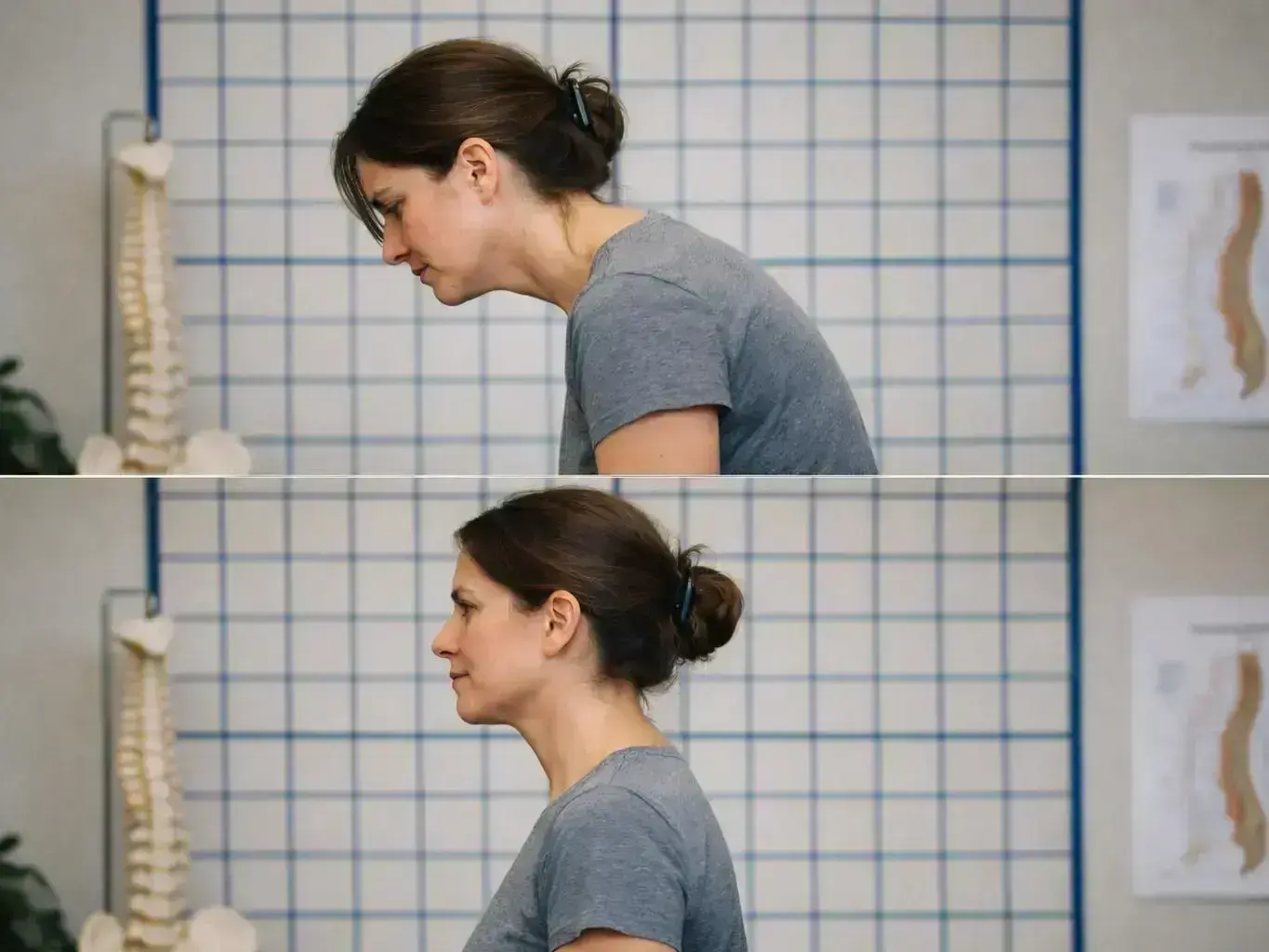
Understanding Neck Pain
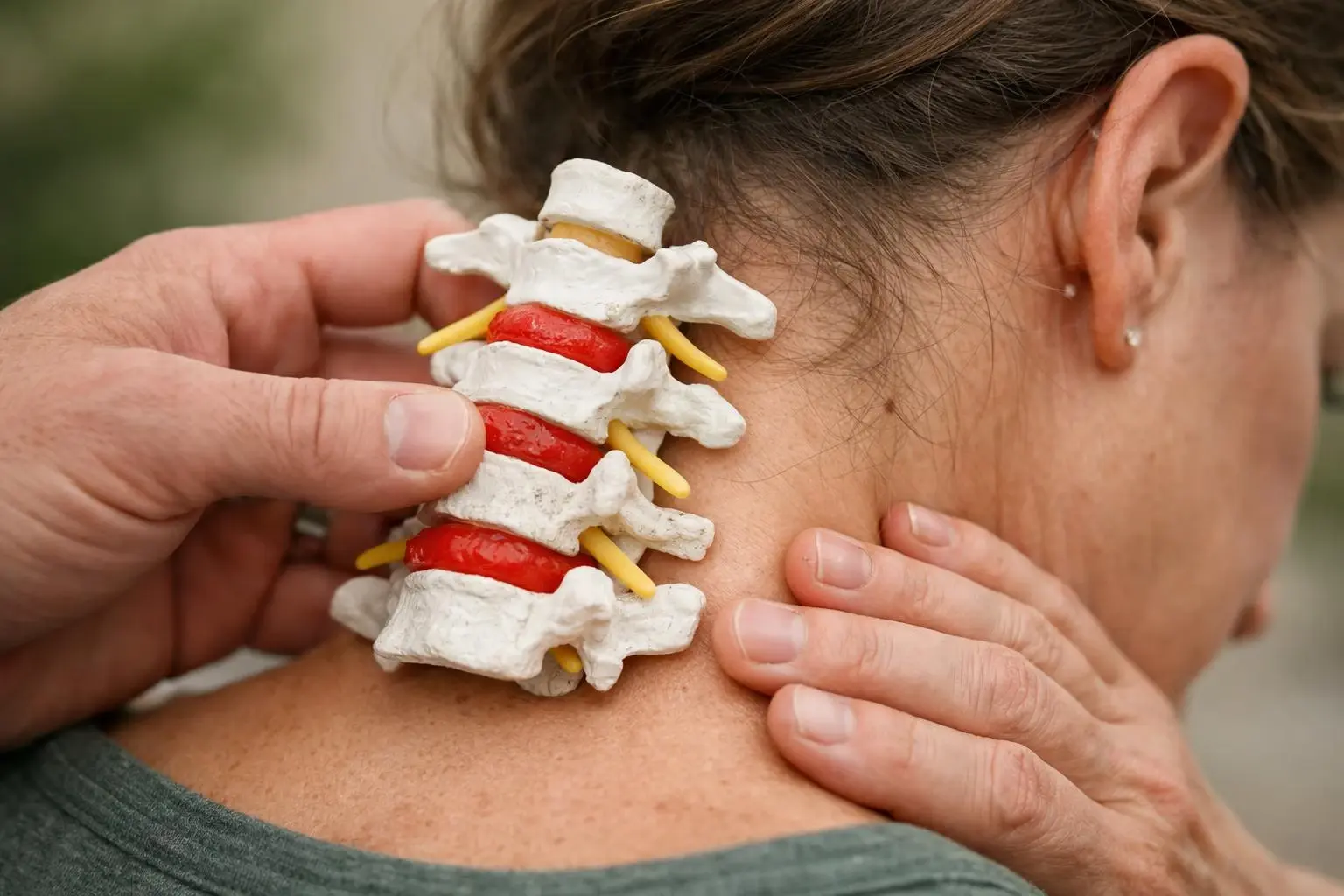
Neck Pain is a common condition that affects the cervical spine, the upper part of the spine located in the neck. The cervical spine consists of seven vertebrae, labeled C1 to C7, which support the weight of the head and allow for a wide range of motion. When these vertebrae, the surrounding muscles, ligaments. Or nerves become irritated or damaged, Neck Pain can develop. This pain may feel like a dull ache, sharp stabbing sensation, stiffness. Or even radiating discomfort that spreads to the shoulders, arms. Or head.
Related glossary terms: Back Pain, Spinal Adjustment, Joint Dysfunction.
Neck Pain can occur suddenly, such as after an injury or poor sleeping position. Or develop gradually over time due to repetitive stress or poor posture. While many cases of Neck Pain are temporary and resolve with self-care, others may persist for weeks or months, becoming chronic. Chronic Neck Pain can significantly impact quality of life, making it difficult to perform everyday tasks like driving, working at a computer. Or even turning the head to look over the shoulder.
How Neck Pain Works?
Neck Pain typically arises from mechanical or structural issues in the cervical spine. Mechanical Neck Pain is caused by problems with the way the neck moves or functions, such as muscle strain, joint dysfunction. Or poor posture. For example, sitting at a desk for long hours with the head tilted forward can strain the neck muscles and lead to pain. Structural Neck Pain, on the other hand, involves physical changes or damage to the spine, such as disc herniation, arthritis. Or spinal stenosis, which can compress nerves and cause pain, numbness. Or weakness.
The cervical spine is also rich in nerves, which means that Neck Pain can sometimes be accompanied by other symptoms. For instance, a pinched nerve in the neck may cause tingling or numbness that radiates down the arm, a condition known as radiculopathy. In some cases, Neck Pain may also contribute to tension headaches, as tight neck muscles can refer pain to the head. Understanding the underlying cause of Neck Pain is essential for determining the most effective treatment approach.
Why Neck Pain Matters?

Neck Pain matters because it can significantly disrupt daily life and overall well-being. Even mild Neck Pain can make it difficult to concentrate, sleep. Or perform routine activities. While severe or chronic pain may lead to long-term disability or reliance on pain medications. And Neck Pain can be a symptom of more serious underlying conditions, such as degenerative disc disease, spinal cord compression. Or even systemic illnesses like infections or tumors. Addressing Neck Pain early can help prevent it from becoming a chronic issue and reduce the risk of complications.
Beyond the physical discomfort, Neck Pain can also have emotional and financial impacts. Chronic pain can lead to stress, anxiety. Or depression. While frequent doctor visits or missed work days can strain personal finances. For these reasons, understanding Neck Pain and seeking appropriate care is important for maintaining both physical health and quality of life.
When Neck Pain Matters Most?
Neck Pain matters most in situations where it interferes with daily activities, work. Or safety. For example, individuals who drive frequently or operate heavy machinery may find that Neck Pain makes it difficult to turn their head, increasing the risk of accidents. Similarly, office workers who spend long hours at a computer may experience worsening pain if poor ergonomics are not addressed. Neck Pain also becomes a priority when it's accompanied by other symptoms, such as numbness, weakness. Or severe headaches, which may indicate a more serious underlying condition.
Certain life stages or occupations may also increase the importance of managing Neck Pain. Older adults, for instance, may be more prone to degenerative conditions like arthritis, which can contribute to chronic Neck Pain. Athletes or individuals involved in physically demanding jobs may experience Neck Pain due to repetitive stress or injuries. In these cases, early intervention and preventive measures, such as proper posture, regular exercise. And ergonomic adjustments, can help reduce the risk of long-term issues.