Understanding Joint Dysfunction

Joint Dysfunction occurs when a joint in the body fails to move as it should. Joints are designed to glide smoothly, allowing for pain-free movement. When this movement becomes restricted or altered, it can lead to discomfort, inflammation. Or reduced mobility. Joint Dysfunction can affect any joint. But it's commonly observed in weight-bearing joints like the spine, hips. And knees, as well as in frequently used joints like the shoulders and wrists.
This condition often develops gradually, starting with minor stiffness or discomfort that worsens over time. For example, someone who sits at a desk for long hours might notice their neck or lower back becoming stiff. Over time, this stiffness can progress to pain or difficulty moving the joint through its full range of motion. Joint Dysfunction is not the same as arthritis. Though the two can coexist. While arthritis involves damage to the joint surfaces, Joint Dysfunction specifically refers to altered movement patterns within the joint itself.
How Joint Dysfunction Works?
Joints rely on a delicate balance of muscles, ligaments. And cartilage to function properly. When this balance is disrupted, the joint may not move smoothly, leading to Joint Dysfunction. For instance, tight muscles can pull a joint out of alignment. While weak muscles may fail to support it adequately. Ligaments, which connect bones to each other, can become stretched or inflamed due to injury or overuse, further compromising joint stability. Cartilage, the cushioning material within joints, can also wear down over time, making movement painful or restricted.
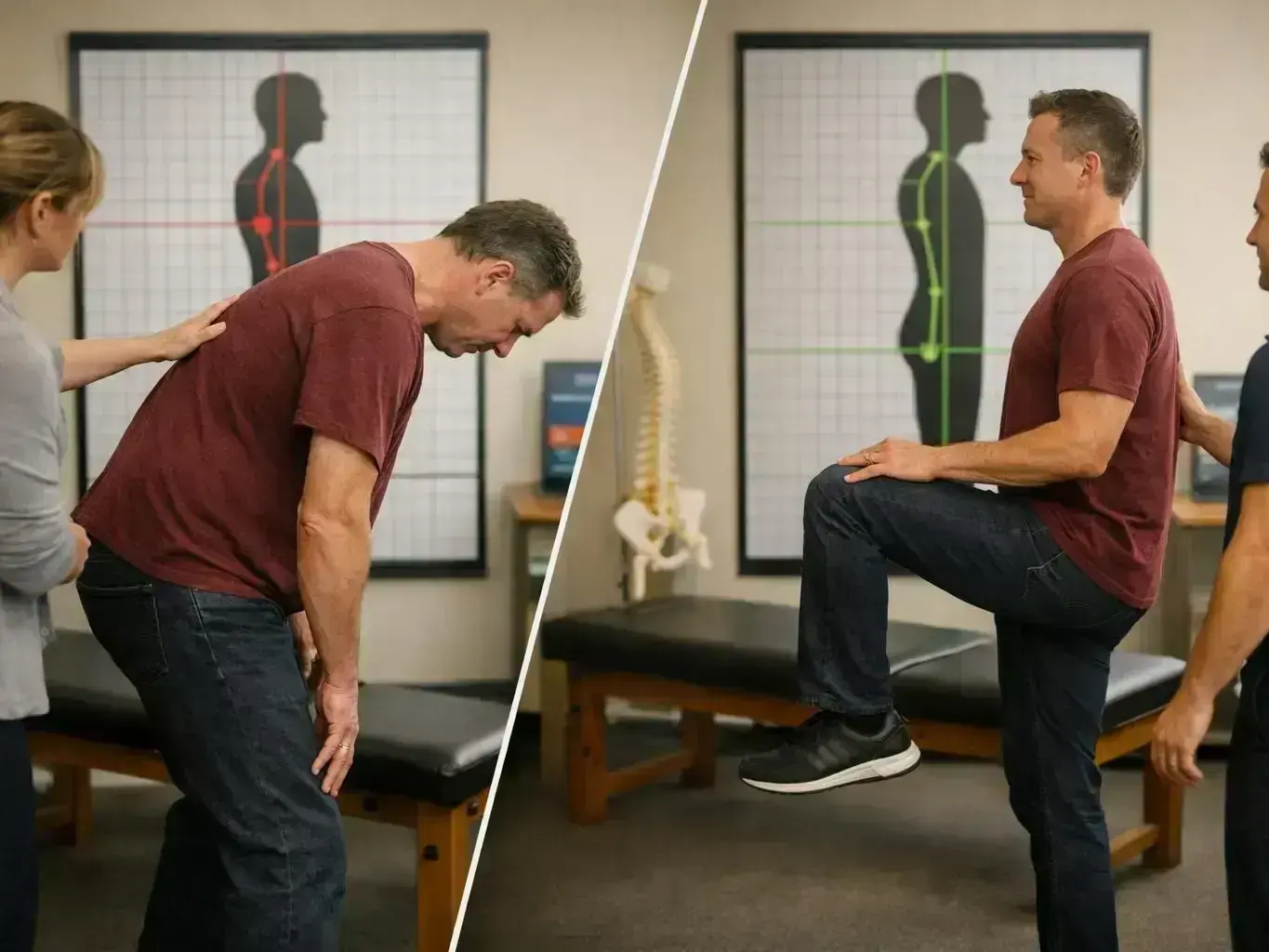
Many projects start with Chiropractors and other musculoskeletal specialists often assess Joint Dysfunction by evaluating the joint’s range of motion, alignment. And the presence of pain during movement. They may use hands-on techniques to identify areas where the joint is not moving correctly. For example, a chiropractor might gently manipulate the joint to restore proper movement or recommend exercises to strengthen the surrounding muscles. Imaging tests like X-rays or MRIs are not typically needed to diagnose Joint Dysfunction but may be used to rule out other conditions like fractures or severe arthritis.
Why Joint Dysfunction Matters?

Joint Dysfunction matters because it can significantly impact quality of life. When a joint is not functioning properly, simple activities like walking, lifting. Or even sitting can become painful or difficult. Over time, untreated Joint Dysfunction can lead to compensatory movement patterns, where the body adjusts to avoid pain by shifting stress to other joints or muscles. This can create a cascade of problems, such as muscle imbalances, poor posture. Or additional joint strain. For example, someone with hip Joint Dysfunction might unconsciously shift their weight to the opposite leg, leading to lower back pain or knee issues.
Addressing Joint Dysfunction early can prevent these secondary problems and help maintain overall mobility. Restoring proper joint function can also reduce pain, improve flexibility. And boost performance in daily activities or sports. For athletes or individuals with physically demanding jobs, Joint Dysfunction can be particularly disruptive, as it may limit their ability to perform at their best or increase the risk of further injury.
When Joint Dysfunction Matters Most?
Joint Dysfunction becomes especially important in situations where movement is critical to daily life or work. For example, office workers who spend hours sitting at a desk may notice stiffness in their neck or lower back, which can progress to chronic pain if not addressed. Similarly, athletes or manual laborers who rely on their joints for performance may experience Joint Dysfunction after repetitive movements or injuries. Even minor Joint Dysfunction can lead to significant discomfort over time, particularly if the affected joint is used frequently.
Joint Dysfunction also matters when it contributes to other conditions, such as nerve compression or muscle strain. For instance, Joint Dysfunction in the spine can sometimes irritate nearby nerves, leading to symptoms like numbness, tingling. Or radiating pain. In these cases, addressing the underlying Joint Dysfunction can help alleviate nerve-related symptoms. And individuals recovering from injuries, surgeries. Or conditions like arthritis may experience Joint Dysfunction as part of their healing process, making it an important consideration in rehabilitation.