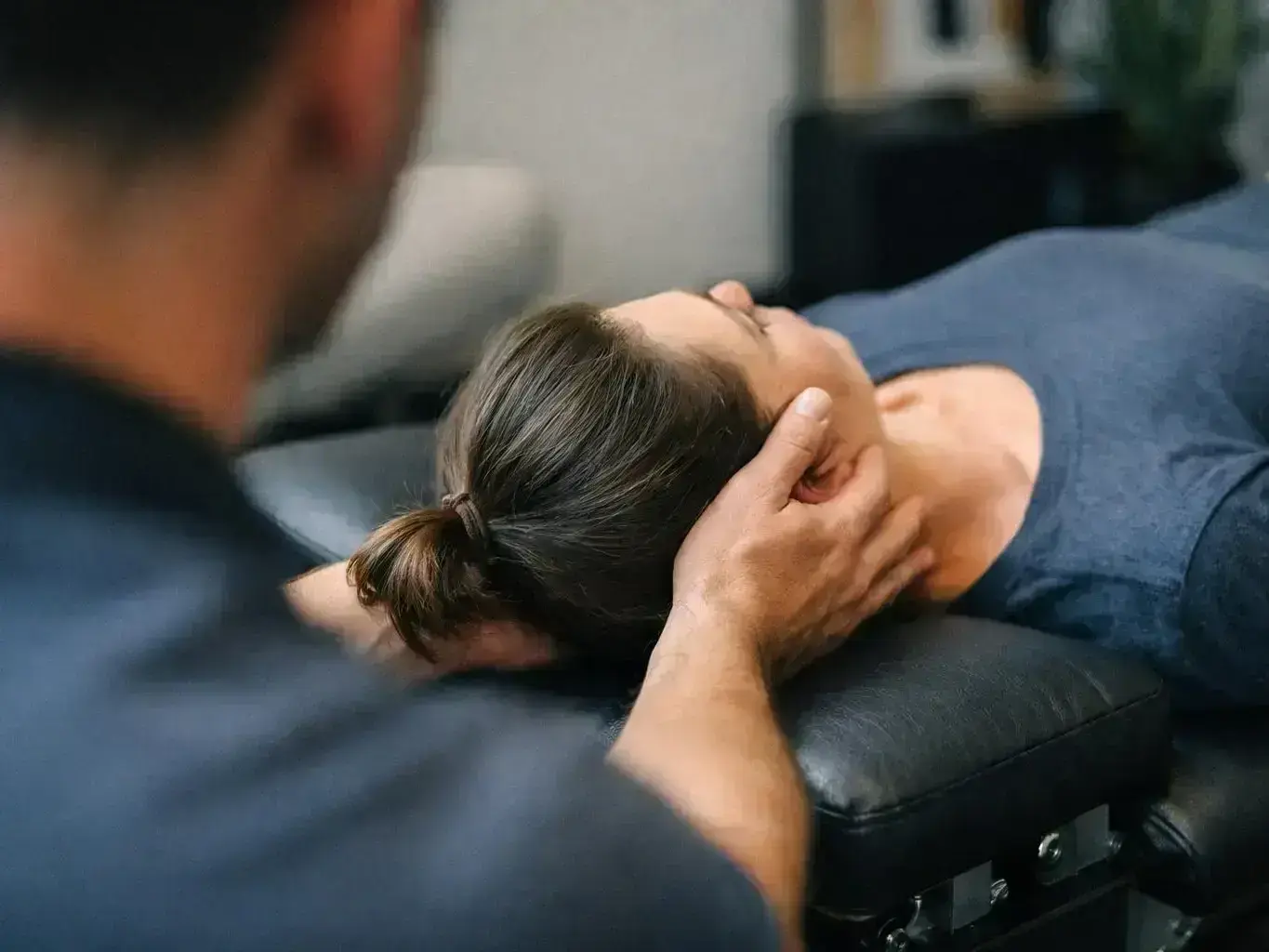
Understanding Thompson Drop Technique
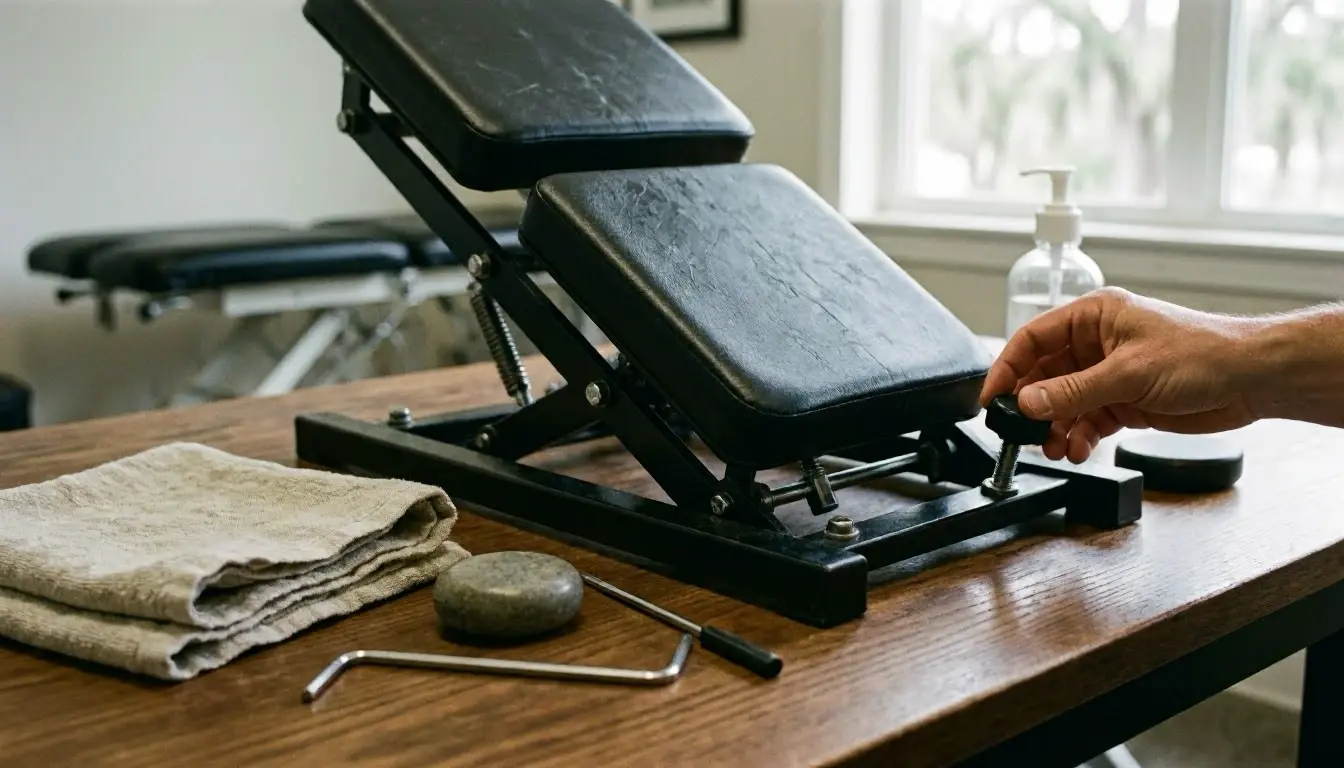
Thompson Drop Technique is a form of chiropractic care designed to improve spinal alignment and joint function. Unlike traditional manual adjustments that rely solely on the chiropractor’s hands, this method incorporates a specialized table with drop mechanisms. These sections of the table momentarily give way during the adjustment, allowing gravity to assist the thrust. This creates a smoother, gentler force that can be easier on sensitive joints or patients who dislike stronger manipulations.
Related glossary terms: Chiropractic Adjustment, Diversified Technique, Spinal Adjustment.
The technique was developed by Dr. J. Clay Thompson in the 1950s as a way to make spinal adjustments more comfortable and effective. It's based on the principle that a quick, controlled drop can help joints move more freely without requiring excessive pressure. While it shares similarities with other chiropractic methods, the use of the drop table sets it apart and makes it a distinct approach within the field.
How Thompson Drop Technique Works?
The process begins with the patient lying on a chiropractic table equipped with drop pieces, typically under the pelvis, thorax. And sometimes the head. The chiropractor applies a quick, targeted thrust to a specific area of the spine. As pressure is applied, the corresponding section of the table drops a short distance—usually an inch or less—creating a brief separation in the joint. This drop helps reduce resistance, allowing the adjustment to occur with less force than a standard manual thrust.
The drop action is carefully calibrated to match the patient’s size and the area being treated. For example, a drop section under the pelvis might be set differently than one under the upper back. The chiropractor assesses the spine’s alignment, joint mobility. And patient comfort before performing the adjustment. The goal is to restore proper motion to the joint while minimizing discomfort, making it a suitable option for those who may be hesitant about traditional chiropractic care.
Why Thompson Drop Technique Matters?
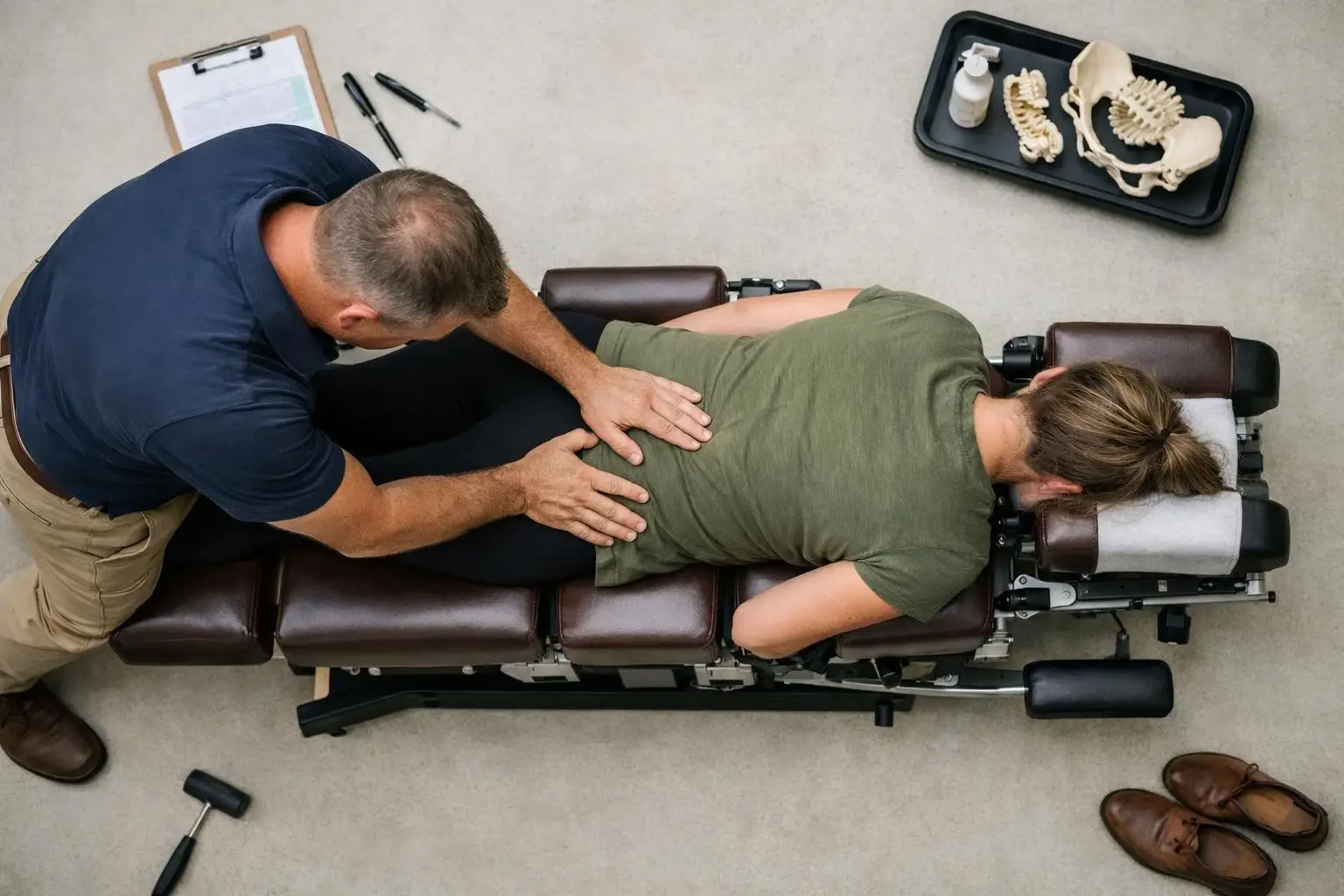
Thompson Drop Technique offers a gentler alternative to high-velocity, low-amplitude (HVLA) adjustments, which can sometimes cause temporary soreness or apprehension in patients. By using the drop table, chiropractors can achieve similar results with less direct force, which may be particularly beneficial for individuals with acute pain, older adults. Or those with conditions like osteoporosis where aggressive manipulation could pose risks. The technique also allows for more precise targeting of specific spinal segments, potentially improving outcomes for conditions related to joint dysfunction or nerve irritation.
Another advantage is the reduced reliance on patient positioning. While some chiropractic methods require patients to lie in specific postures, the drop table can accommodate a wider range of body types and comfort levels. This flexibility makes Thompson Drop Technique accessible to patients who might struggle with other adjustment styles, such as those with limited mobility or larger body sizes. The method’s adaptability has contributed to its continued use in chiropractic practices worldwide.
When Thompson Drop Technique Matters Most?
Thompson Drop Technique is often recommended in situations where patients need spinal adjustments but may not tolerate stronger manual techniques well. This includes individuals recovering from injuries, those with chronic conditions like arthritis. Or patients who experience anxiety about traditional chiropractic care. It is also commonly used for children or older adults, where a lighter touch is preferred. The technique can be particularly effective for addressing joint restrictions in the lower back, mid-back. And neck, as well as conditions like sciatica or tension headaches linked to spinal misalignments.
In clinical settings, chiropractors may choose Thompson Drop Technique when a patient’s condition or preference calls for a more conservative approach. It is frequently combined with other therapies, such as soft tissue work or rehabilitative exercises, to support long-term spinal health. While not every patient will require this method, its availability expands the options for personalized care, ensuring that adjustments can be custom to individual needs and comfort levels.