Understanding Chiropractic Table
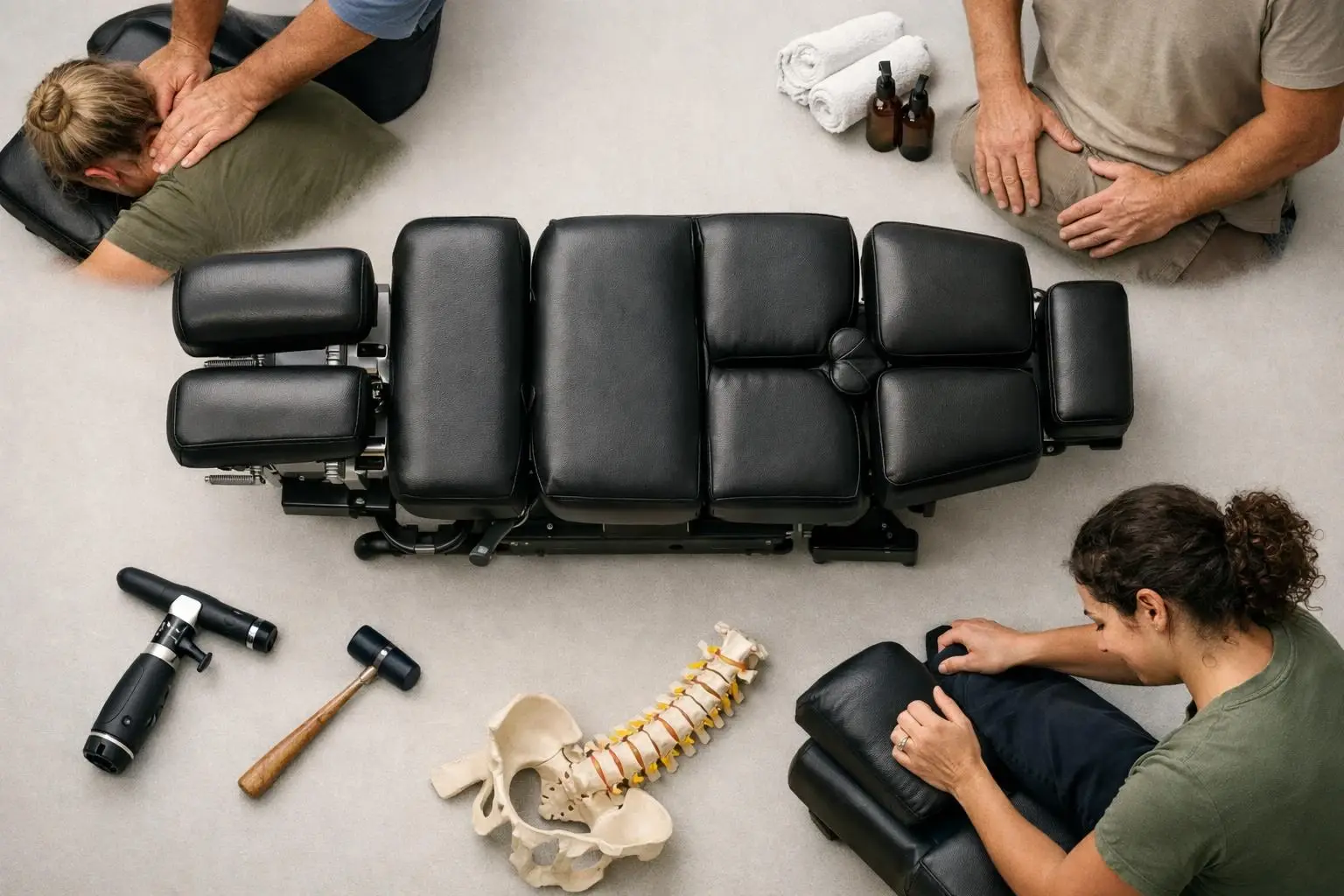
A chiropractic table is a purpose-built piece of equipment used in chiropractic clinics to assist with spinal adjustments, joint manipulations. And other therapeutic techniques. Unlike standard examination tables, chiropractic tables feature adjustable sections, drop mechanisms. And specialized padding to support the unique needs of chiropractic care. These tables help chiropractors position patients correctly, ensuring treatments are both effective and comfortable.
Related glossary terms: Chiropractic Adjustment, Spinal Decompression, Flexion Distraction.
Chiropractic tables come in various designs, each custom to specific techniques or patient conditions. For example, flexion-distraction tables allow controlled movement of the spine to relieve disc pressure. While drop tables use segmented sections that gently lower under pressure to assist with adjustments. The padding and surface materials are also chosen to reduce friction and cut down on patient discomfort during treatments.
How Chiropractic Tables Work?
Chiropractic tables are engineered to support the biomechanics of chiropractic adjustments. Many tables include drop sections, which are segments that can be elevated slightly and then released to create a quick, controlled motion during an adjustment. This motion helps the chiropractor apply force more precisely, reducing the effort required while improving the accuracy of the treatment. Some tables also feature tilting or elevation mechanisms to position the patient at optimal angles for specific techniques.
The design of a chiropractic table also prioritizes patient safety and comfort. Thick, supportive padding cushions the body. While adjustable headrests and arm supports help patients relax during treatments. For techniques like spinal decompression, tables may include traction systems that gently stretch the spine, relieving pressure on nerves and discs. These features make chiropractic tables essential tools for delivering consistent, high-quality care.
Why Chiropractic Tables Matter?

Chiropractic tables play a critical role in the effectiveness and safety of chiropractic treatments. By providing stable, adjustable support, these tables allow chiropractors to perform adjustments with greater precision, reducing the risk of injury or discomfort for the patient. The mechanical features of the table, such as drop sections or flexion-distraction capabilities, also help chiropractors apply the right amount of force without overexerting themselves, which is important for maintaining consistency across multiple patients.
For patients, the comfort and functionality of a chiropractic table can significantly impact their experience and outcomes. A well-designed table helps patients relax, making it easier for the chiropractor to perform adjustments. And specialized tables can accommodate patients with specific needs, such as those with mobility issues or chronic pain conditions, ensuring that care is accessible and effective for a wide range of individuals.
When Chiropractic Tables Matter Most?
Chiropractic tables are particularly important in situations where precise positioning or specialized techniques are required. For example, patients with disc herniations or sciatica may benefit from flexion-distraction tables, which allow gentle stretching of the spine to relieve pressure on affected nerves. Similarly, drop tables are often used for patients with joint dysfunctions, as the controlled motion helps restore proper alignment with minimal discomfort.
A common issue is Chiropractic tables also matter when treating patients with limited mobility or specific physical conditions. Tables with adjustable height and support features can accommodate patients who have difficulty lying flat or require extra cushioning. And tables designed for pediatric or geriatric care often include smaller frames or additional safety features to ensure comfort and security during treatments. In all cases, the right table enhances the chiropractor’s ability to deliver safe, effective care custom to the patient’s needs.