Understanding Herniated Disc
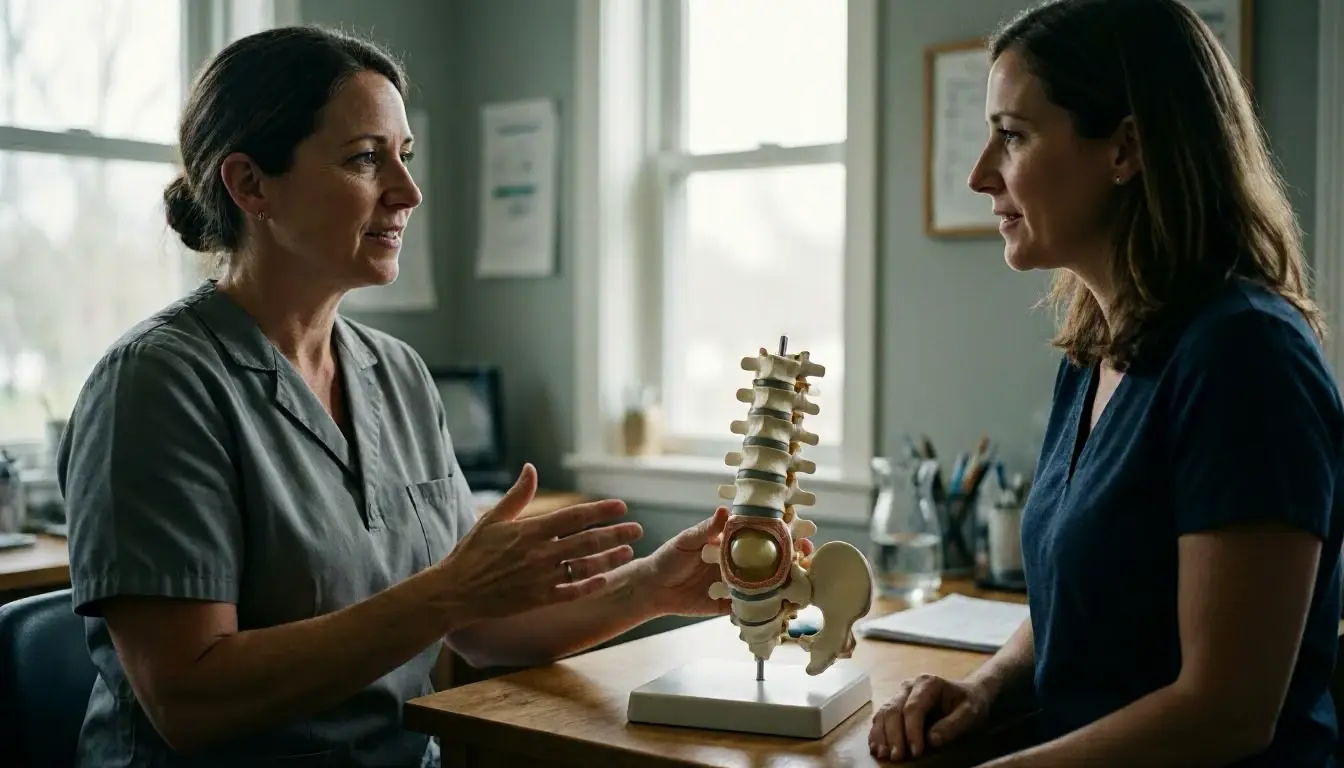
A herniated disc is also called a slipped disc. It can also be called a ruptured disc. This happens when the soft gel inside a disc leaks out.
The spine has bones called vertebrae. Discs sit between these bones. They act like cushions.
Discs absorb shock. They help the spine move smoothly. Over time, discs can wear down or get hurt.
This can cause a herniated disc. The lower back or neck is where it often happens. These are called the lumbar spine and cervical spine.
The leaked disc can press on a nerve. This can cause pain, tingling. Or weakness. The pain can be in the area the nerve controls.
A herniated disc in the lower back can cause sciatica. Sciatica is a sharp pain. It travels down the leg.
Not all herniated discs cause symptoms. But when they do, the pain can be mild or severe.
How Herniated Disc Works?
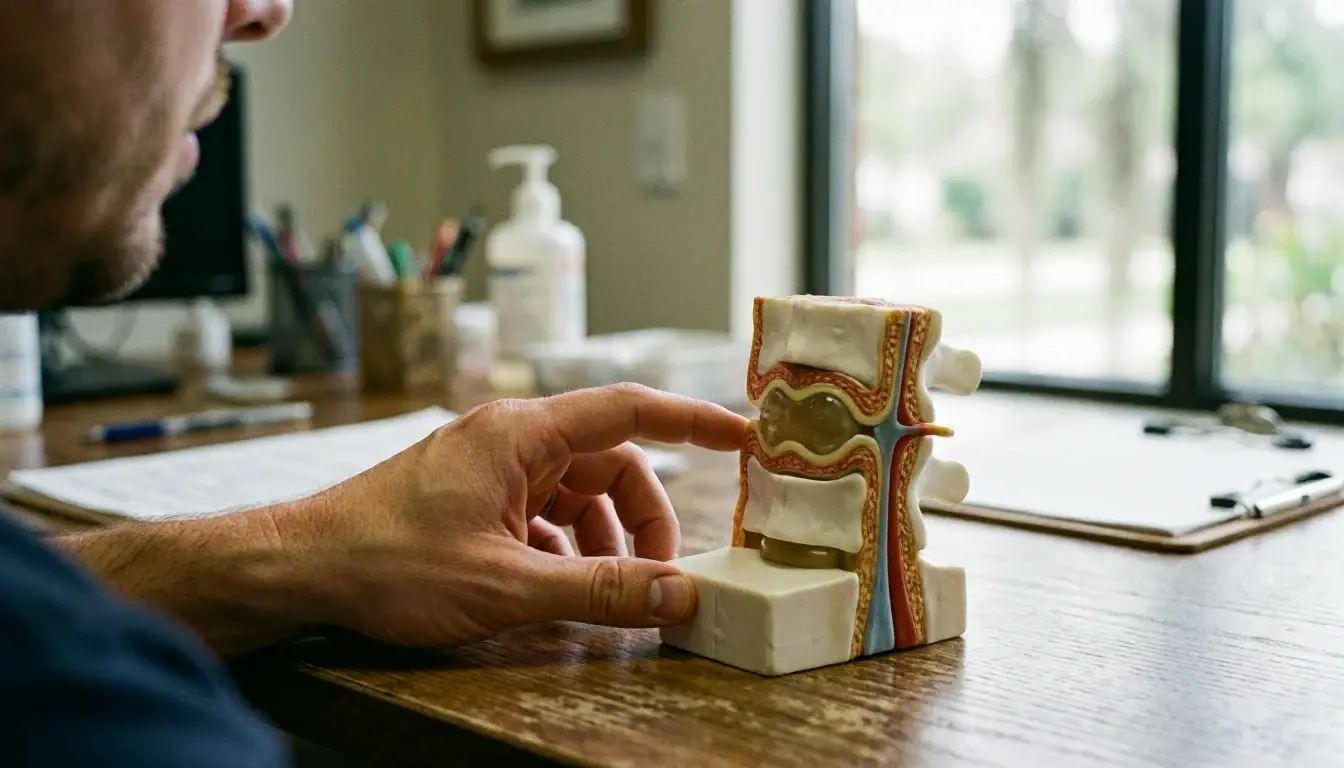
Each disc has two parts. The outer part is tough and rubbery. It's called the annulus fibrosus.
The center is soft and jelly-like. It's called the nucleus pulposus. When the outer part weakens, the center can bulge out.
This is called herniation. The bulging disc can press on nerves. This causes pain and swelling.
Doctors diagnose herniated discs with exams. They ask about your health and check your strength. They also check reflexes and pain spots.
Tests like MRI or CT scans can help. They show the disc and any nerve pressure. Most herniated discs don't need surgery.
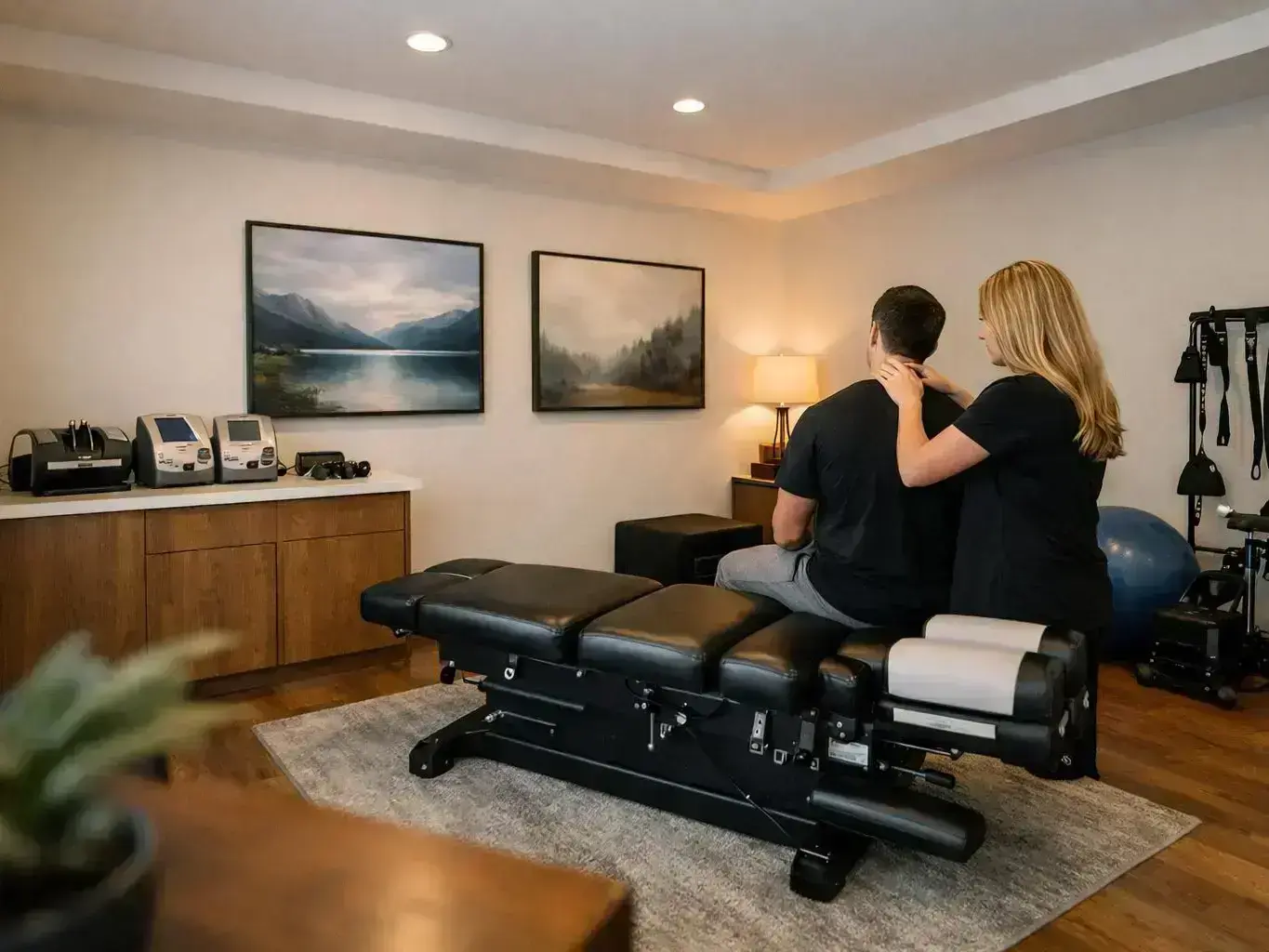
They get better with rest, ice. Or therapy. Chiropractic care can also help.
Why Herniated Disc Matters?
A herniated disc can make daily tasks hard. Sitting, standing. Or lifting can hurt.
If not treated, it can cause long-term problems. These include chronic pain or weak muscles.
Early treatment can help. It can reduce pain and stop more damage. Learning about the condition helps too.
It helps people make better choices. They can improve posture and lifting. Exercise can also prevent future injuries.
Some jobs involve heavy lifting. Others have repetitive motions. A herniated disc can make work harder.
Early care can help you move better. It can lower the risk of worse problems. Surgery is rarely needed.
Knowing the signs helps. You can get help early. This avoids bigger problems later.
When Herniated Disc Matters Most?
Herniated discs are serious if symptoms get worse. Pain can spread down arms or legs.
You might feel numbness or tingling. Weak muscles can affect balance or grip. These signs mean nerves are involved.
You may need tests or a specialist. This helps prevent lasting damage.
Some things raise the risk of herniated discs. Sitting too long is one. Lifting wrong is another.
Poor posture also adds risk. Athletes and construction workers are at higher risk. So are older adults.
Knowing these risks helps. You can take steps to prevent problems. Lift the right way.
Strengthen your core muscles. Keep a healthy weight. This takes strain off your spine.
Sometimes, accidents cause herniated discs. Car crashes or falls can hurt discs.
Pain may start right away. Or it may come later. See a doctor fast to avoid more harm.