Glossary

What is Low Back Pain?

Low Back Pain is discomfort, stiffness. Or aching in the lower part of the spine, between the bottom of the ribcage and the top of the legs. It can range from mild soreness to severe, sharp pain that limits movement. Low Back Pain often comes from muscles, nerves, bones. Or joints in the area and may be caused by injury, poor posture. Or long-term wear and tear.

Reviewed by Dr. Harry W. Brown, D.C.Sources reviewed: National Institute of Neurological Disorders and Stroke, Mayo Clinic

Quick Facts About Low Back Pain

Category

Musculoskeletal condition

Used for

Identifying pain or dysfunction in the lower spine

Common confusion

Often mistaken for kidney pain or sciatica

Also called

Lower Back Pain, Lumbago

Often discussed with

Chiropractic Consultation and Diagnosis, Personal Injury Chiropractic Care

Key Takeaways About Low Back Pain

Understanding Low Back Pain

Low Back Pain in Chiropractor: Low Back Pain is discomfort, stiffness, Or aching in the lower part—visual guide

Low Back Pain is a common health issue that affects the area of the spine between the lower ribs and the pelvis. This part of the back supports much of the body’s weight and allows movement like bending, twisting. And lifting. Because of this, it's prone to strain and injury. Low Back Pain can be acute, meaning it lasts a few days to weeks. Or chronic, lasting more than three months. The pain may be constant or come and go. And it can make everyday tasks like sitting, standing. Or walking difficult.

Related glossary terms: Back Pain, Disc Herniation, Spinal Manipulation.

Many factors can contribute to Low Back Pain. Muscle or ligament strain from heavy lifting or sudden awkward movements is a frequent cause. Poor posture, especially from sitting for long periods, can also lead to pain over time. Other causes include disc problems, arthritis. Or conditions like spinal stenosis, where the spaces within the spine narrow and press on nerves. In some cases, Low Back Pain may signal a more serious issue. But most of the time, it is not dangerous and improves with care.

How Low Back Pain Works?

Low Back Pain happens when structures in the lower spine are irritated, inflamed. Or damaged. The spine is made up of bones called vertebrae, cushioned by discs that act like shock absorbers. Muscles, ligaments. And nerves surround this area. When any of these parts are strained or injured, they can send pain signals to the brain. For example, lifting a heavy object incorrectly can stretch or tear muscles or ligaments, causing immediate pain. Over time, poor posture or repetitive movements can wear down discs or joints, leading to long-term discomfort.

Pain can also come from nerves being pinched or irritated. The sciatic nerve, which runs from the lower back down the legs, is often involved. When this nerve is compressed, it can cause pain, numbness. Or tingling that travels down the leg, a condition called sciatica. Doctors and chiropractors often use physical exams, medical history. And sometimes imaging tests like X-rays or MRIs to understand the cause of Low Back Pain and recommend the right treatment.

Why Low Back Pain Matters?
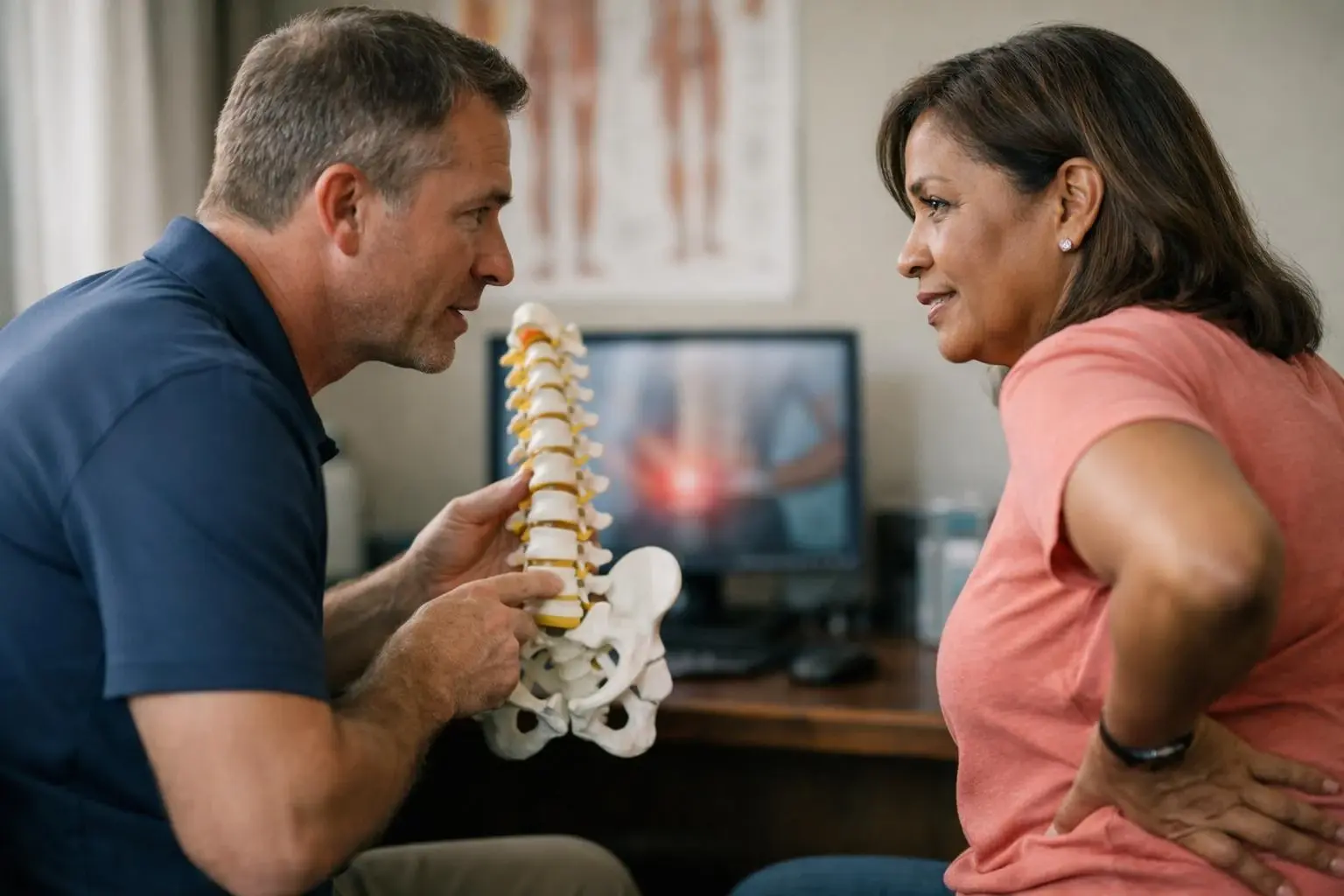
How Low Back Pain applies to Chiropractor services in Savannah, United States—practical illustration

Low Back Pain is one of the leading reasons people miss work or visit a doctor. It can affect anyone, from young athletes to older adults. And can have a big impact on quality of life. Even mild Low Back Pain can make it hard to sleep, exercise. Or enjoy daily activities. The result is for some, it can lead to long-term disability if not managed properly. Treating Low Back Pain early can help prevent it from becoming a chronic problem and reduce the need for more invasive treatments like surgery.

Beyond personal discomfort, Low Back Pain also has economic effects. It costs billions of dollars each year in medical expenses and lost productivity. Many people turn to pain medications, physical therapy. Or chiropractic care to find relief. Understanding the causes and treatments of Low Back Pain can help individuals make informed decisions about their health and avoid unnecessary suffering.

When Low Back Pain Matters Most?

Low Back Pain becomes especially important in certain situations. If the pain follows an injury, such as a fall or car accident, What you need to know is to seek medical attention to rule out fractures or serious damage. Pain that spreads down the legs, causes weakness. Or is accompanied by numbness may signal nerve involvement and should not be ignored. People with chronic conditions like arthritis or osteoporosis may also experience Low Back Pain more often and should monitor it closely.

Low Back Pain also matters when it interferes with daily life. If the pain makes it hard to work, drive. Or care for family, it may be time to seek professional help. Early treatment, such as chiropractic adjustments, physical therapy. Or lifestyle changes, can often prevent the pain from worsening. For those in physically demanding jobs or active lifestyles, addressing Low Back Pain early can help maintain performance and avoid long-term issues.
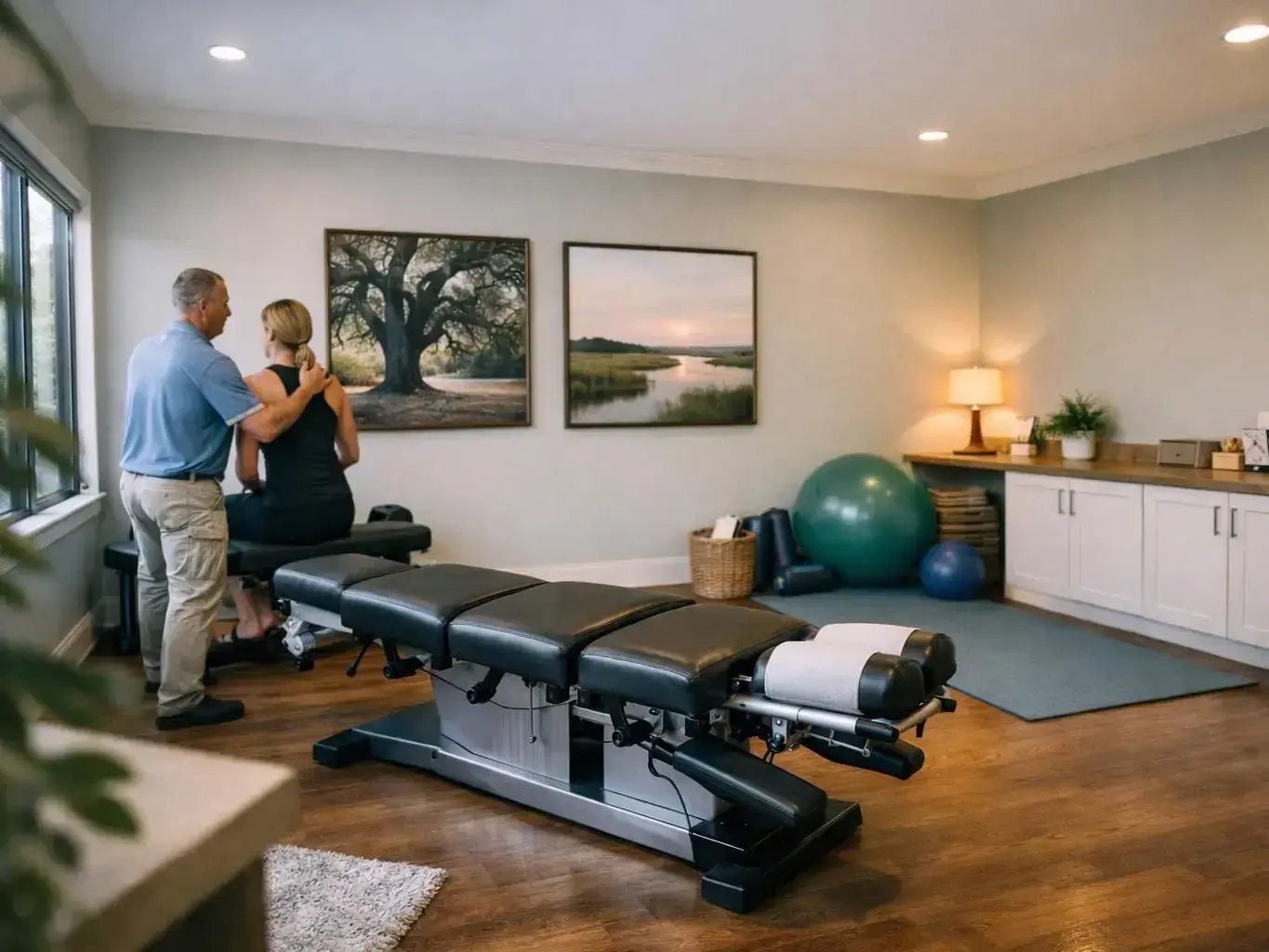
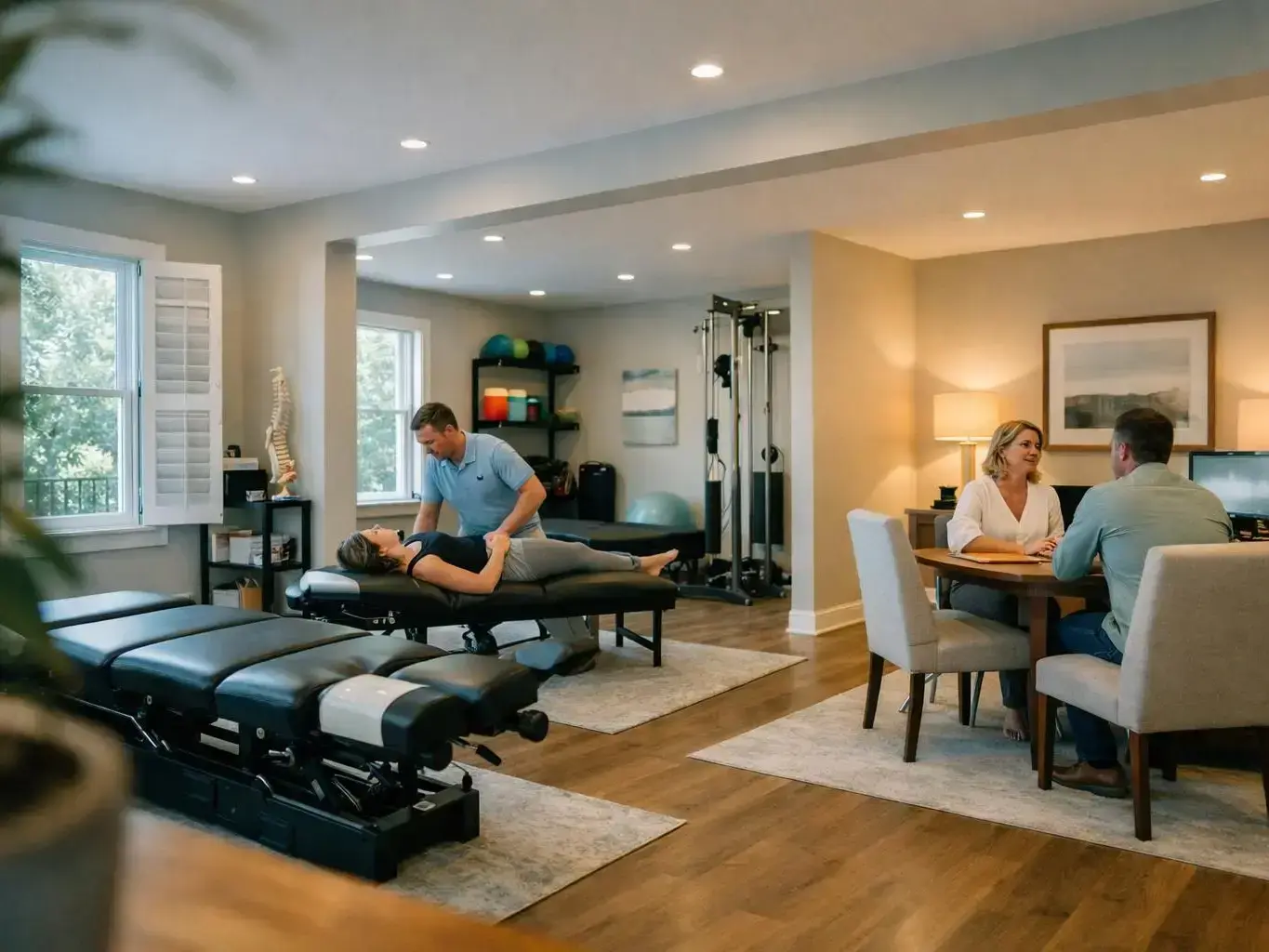
How to Evaluate Low Back Pain?

Related Concepts Compared

Low Back Pain vs. Sciatica

Sciatica is pain that travels down the leg due to nerve irritation, often starting in the lower back. Low Back Pain stays in the back and may not involve the legs.

Low Back Pain vs. Neck Pain

Neck Pain affects the upper spine near the shoulders. While Low Back Pain occurs in the lower spine near the hips and pelvis.

Expert Note

Low Back Pain is often preventable with proper posture, regular movement. And strength training. Many people ignore early signs, leading to chronic issues. Addressing it early can save time, money. And long-term discomfort.

Common Mistakes or Myths About Low Back Pain

  • Ignoring Low Back Pain and hoping it will go away on its own, which can lead to chronic issues.
  • Assuming all back pain is the same—different causes need different treatments.
  • Overusing pain medications instead of addressing the root cause, like posture or muscle strain.
  • Avoiding all movement out of fear of making the pain worse, which can weaken muscles and prolong recovery.

Low Back Pain in Practice: A Real-World Example

After lifting heavy boxes while moving, a person feels a sharp pain in their lower back that makes it hard to stand up straight. The pain improves with rest but returns when they try to bend or lift again. They visit a chiropractor, who identifies muscle strain and recommends gentle adjustments and exercises to help the back heal.

Sources & Further Reading on Low Back Pain

Related Services

Related Terms

Back Pain

Back Pain is discomfort or pain anywhere along the spine, from the neck down to the lower back. It can feel sharp, dull, aching. Or burning. And may be constant or come and go. Back Pain often results from muscle strain, injury, poor posture. Or underlying conditions like disc herniation or arthritis. It affects daily activities and can range from mild to severe.

Disc Herniation

Disc Herniation is a spinal condition where the soft, gel-like center of a spinal disc pushes through a tear in its tough outer layer. This can irritate nearby nerves, causing pain, numbness. Or weakness in the back, neck, arms. Or legs. Disc Herniation often results from wear-and-tear, injury. Or improper lifting.

Spinal Manipulation

Spinal Manipulation is a hands-on treatment technique used by chiropractors and other healthcare providers to apply controlled force to a joint in the spine. This force helps improve spinal motion, reduce pain. And restore function by addressing stiffness or misalignment in the vertebrae. The procedure often produces a popping or cracking sound due to gas releasing from the joint.

Chiropractic Care

Chiropractic Care is a health care profession focused on diagnosing and treating musculoskeletal disorders, especially those related to the spine. Chiropractic Care uses hands-on spinal adjustments and other techniques to improve alignment, relieve pain. And support the body’s natural ability to heal without surgery or medication. It's commonly used for back pain, neck pain, headaches.

Arrowhead Clinic Chiropractor

Have Questions About Low Back Pain?

Contact Arrowhead Clinic Chiropractor for practical guidance on Low Back Pain and related chiropractor work in Savannah.

+1 912-378-1371