Understanding Spinal Manipulation
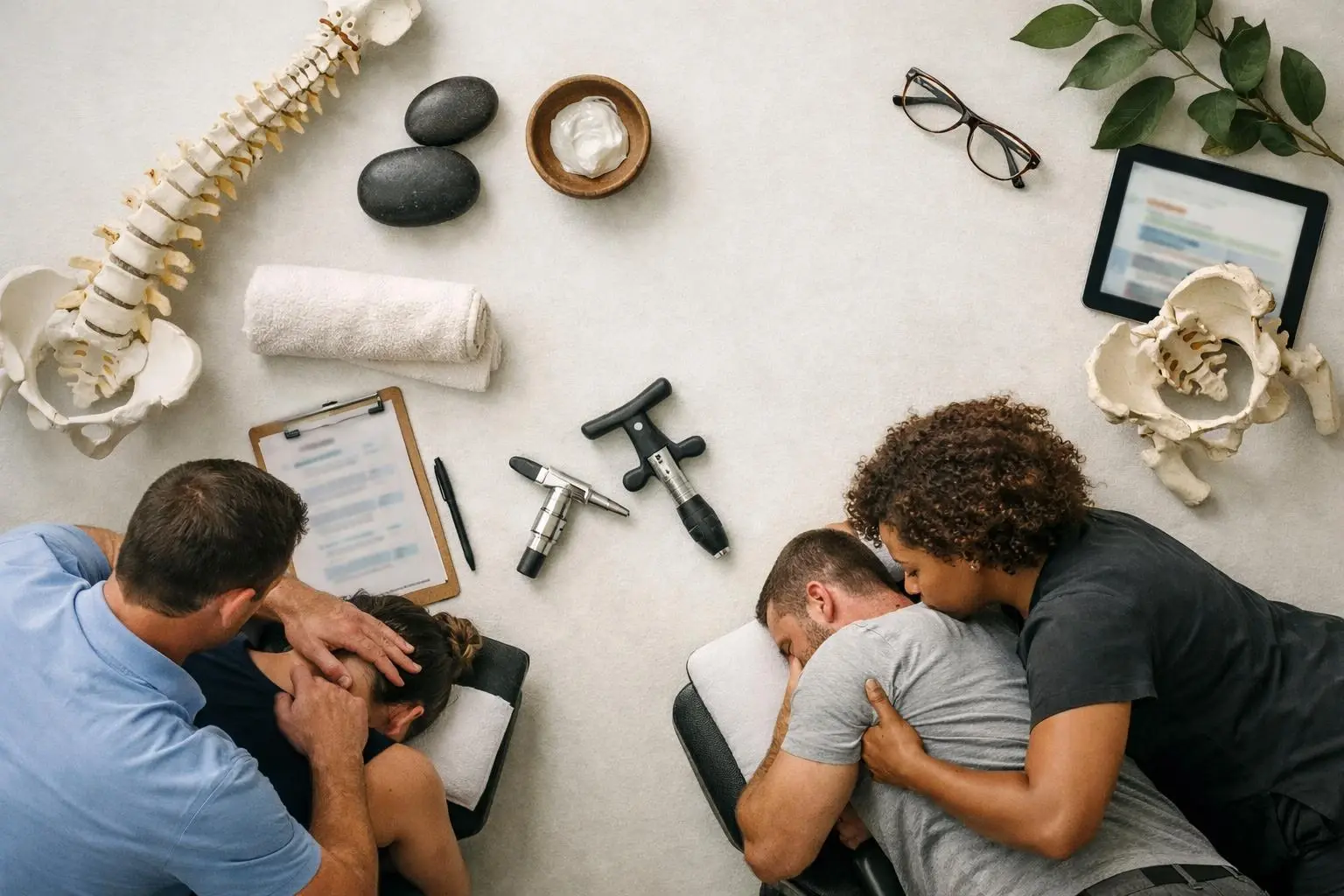
Spinal Manipulation is a therapeutic procedure performed by chiropractors and other licensed healthcare providers. It involves applying a sudden, controlled force to a specific joint in the spine using the hands or a small instrument. The goal is to improve spinal function, reduce nerve irritability. And alleviate pain. This technique is based on the principle that proper alignment of the body’s musculoskeletal structure, particularly the spine, enables the body to heal itself without surgery or medication.
Related glossary terms: Chiropractic Adjustment, Joint Dysfunction, Mobilization.
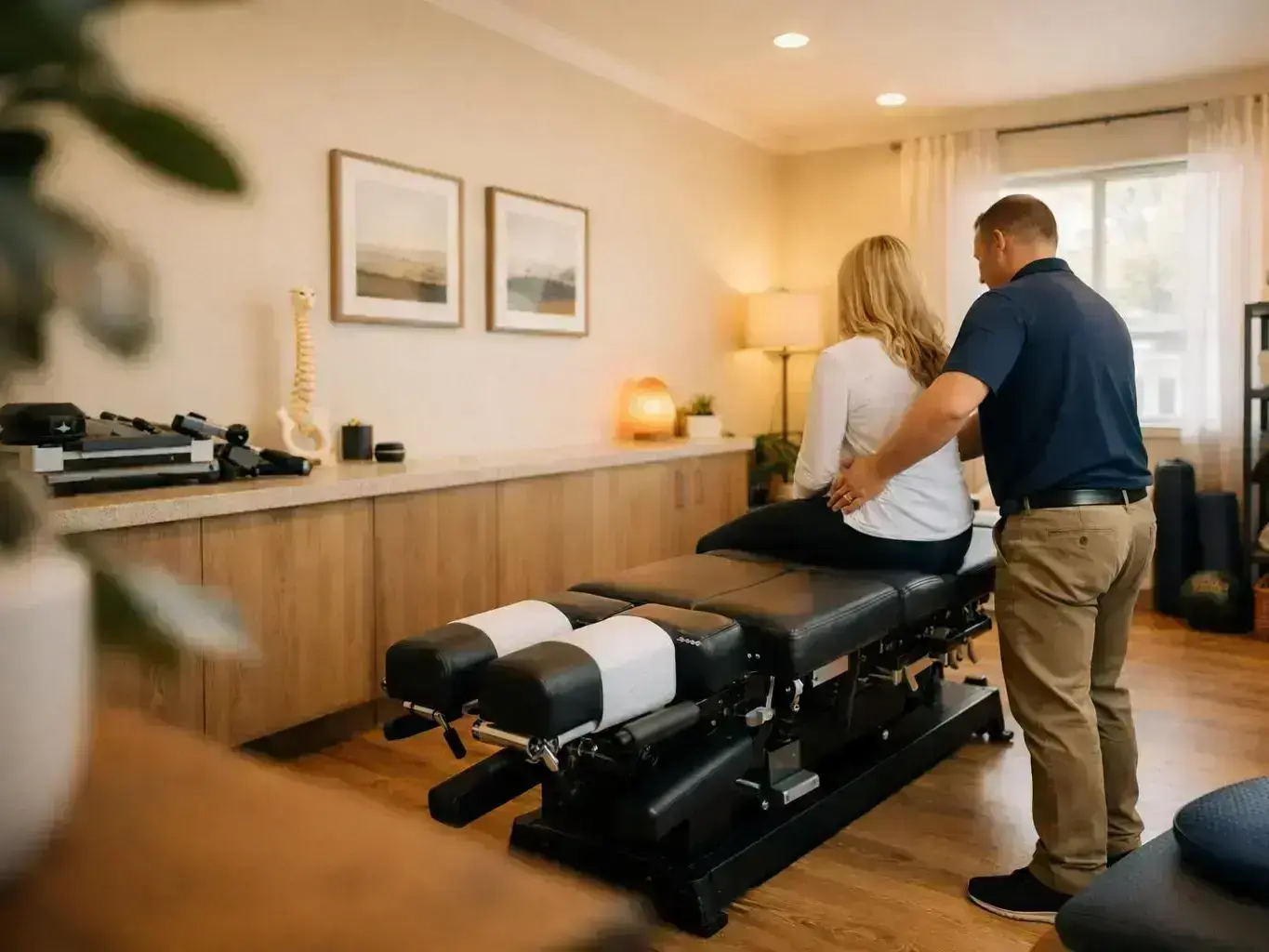
During Spinal Manipulation, the practitioner positions the patient in a specific way to target the affected joint. The force applied is quick and precise, often resulting in a popping or cracking sound. This sound is caused by the release of gas bubbles from the joint fluid, a normal and harmless occurrence. While the procedure may sound dramatic, it's generally not painful and is well-tolerated by most patients. But it is not suitable for everyone, particularly those with certain health conditions like severe osteoporosis, spinal cord compression. Or inflammatory arthritis.
How Spinal Manipulation Works?
Spinal Manipulation works by restoring mobility to joints that have become restricted in their movement. When a joint is not moving properly, it can lead to pain, stiffness. And inflammation. The controlled force applied during manipulation helps to stretch the joint and surrounding tissues, breaking up adhesions and allowing the joint to move more freely. This can reduce pressure on nerves, decrease muscle tension. And improve overall function of the spine.
Many projects start with The effects of Spinal Manipulation are not just mechanical. The procedure also stimulates the nervous system, which can help reduce pain signals sent to the brain. This dual action—mechanical and neurological—is why many patients experience immediate relief after a session. But the number of sessions needed varies depending on the individual’s condition, the severity of symptoms. And how long the problem has been present. Some patients may feel better after just one session. While others may require a series of treatments to achieve lasting results.
Spinal Manipulation is often part of a broader treatment plan that may include exercises, stretches. And lifestyle advice. The practitioner may also use other techniques, such as soft tissue therapy or mobilization, to complement the manipulation and boost its effects. The combination of these therapies helps address the root cause of the problem, not just the symptoms, leading to more sustainable improvements in health and well-being.
Why Spinal Manipulation Matters?

Spinal Manipulation matters because it offers a non-invasive, drug-free option for managing pain and improving spinal function. For many people, it provides an alternative to prescription medications, which can have side effects and risks of dependency. It is particularly valuable for those seeking to avoid surgery or who have not found relief from other treatments. By restoring proper movement to the spine, Spinal Manipulation can help patients return to their daily activities, work. And hobbies with less discomfort and greater ease.
Beyond pain relief, Spinal Manipulation can also improve overall health. The spine plays a crucial role in protecting the nervous system, which controls every function in the body. When the spine is misaligned or restricted, it can interfere with nerve signals, potentially leading to a range of health issues beyond back or neck pain. By improving spinal function, manipulation can help ensure that the nervous system operates optimally, supporting better health and well-being.
When Spinal Manipulation Matters Most?
Spinal Manipulation matters most for individuals experiencing acute or chronic pain related to spinal joint dysfunction. Common conditions that may benefit from this technique include low back pain, neck pain, headaches (including migraines and tension-type headaches). And certain types of joint pain in the shoulders or hips. It is also frequently used to address pain or stiffness caused by injuries, such as whiplash from a car accident or a sports-related strain. And Spinal Manipulation can be helpful for people with repetitive stress injuries, poor posture. Or degenerative conditions like osteoarthritis.
Spinal Manipulation is not appropriate for everyone. People with certain health conditions, such as fractures, infections. Or severe osteoporosis, should avoid this technique due to the risk of complications. It is also not recommended for individuals with certain neurological disorders or those who have undergone recent spinal surgery. Before undergoing Spinal Manipulation, The key thing is to have a thorough evaluation by a licensed healthcare provider to determine if the procedure is safe and suitable for your specific condition. In Savannah, GA, chiropractors and other providers offering Spinal Manipulation follow strict guidelines to ensure patient safety and effectiveness.
For those who are good candidates, Spinal Manipulation can be a valuable tool in managing pain and improving quality of life. It is often used alongside other therapies, such as physical therapy, exercise. And ergonomic adjustments, to create a full treatment plan. Whether you're dealing with a recent injury or long-standing pain, Spinal Manipulation may offer the relief and functional improvement you need to get back to the activities you enjoy.