Understanding Cox Flexion-Distraction
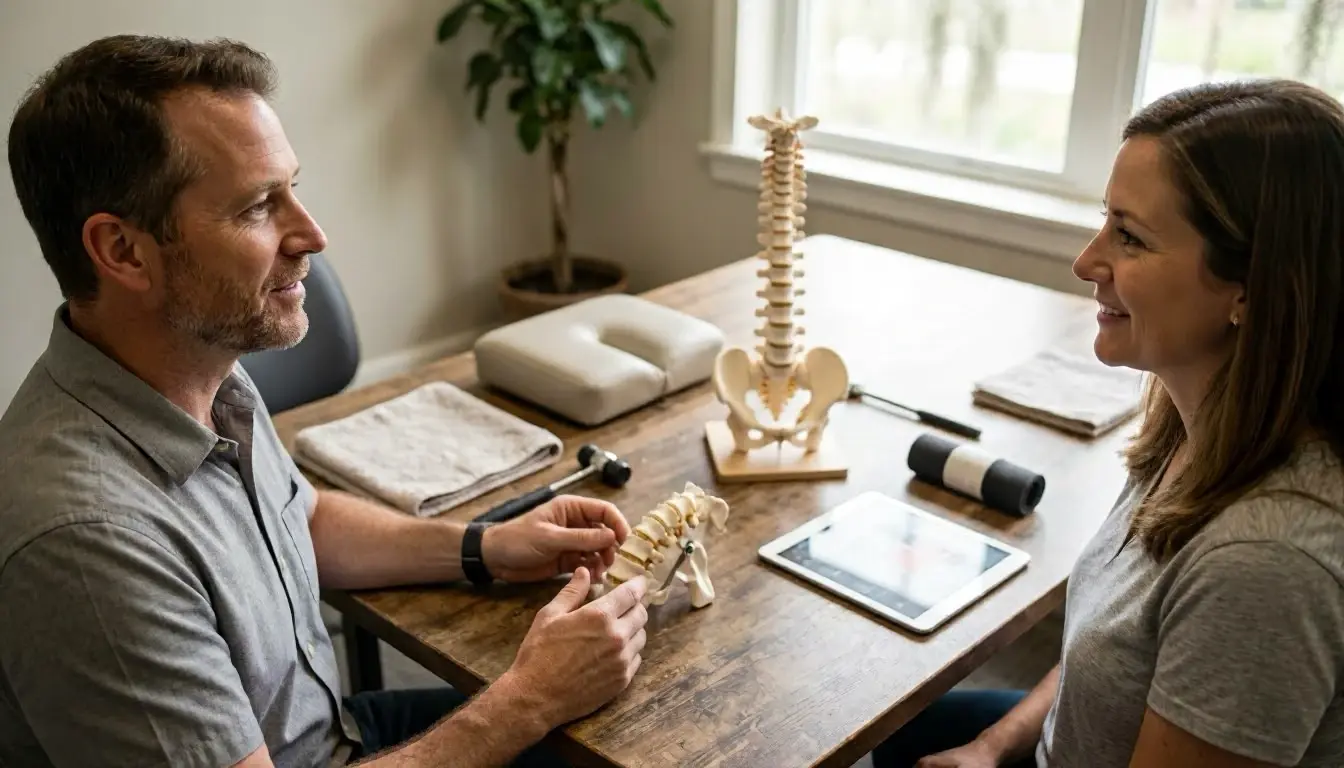
Cox Flexion-Distraction is a chiropractic technique developed by Dr. James M. Cox to treat spinal disc conditions and related nerve pain. Unlike traditional spinal adjustments that use quick thrusts, this method uses slow, controlled movements on a specialized table. The table gently flexes and distracts (stretches) the spine, creating negative pressure within the discs. This helps reposition herniated or bulging disc material, reducing pressure on nerves and improving spinal function.
Related glossary terms: Herniated Disc, Sciatica, Spinal Decompression.
The technique is particularly useful for patients who experience pain radiating into the legs (sciatica) or arms due to disc problems. It's also beneficial for those with spinal stenosis, a narrowing of the spinal canal that compresses nerves. Because it is non-surgical and drug-free, Cox Flexion-Distraction is often recommended for patients seeking conservative care before considering more invasive treatments like injections or surgery.
How Cox Flexion-Distraction Works?
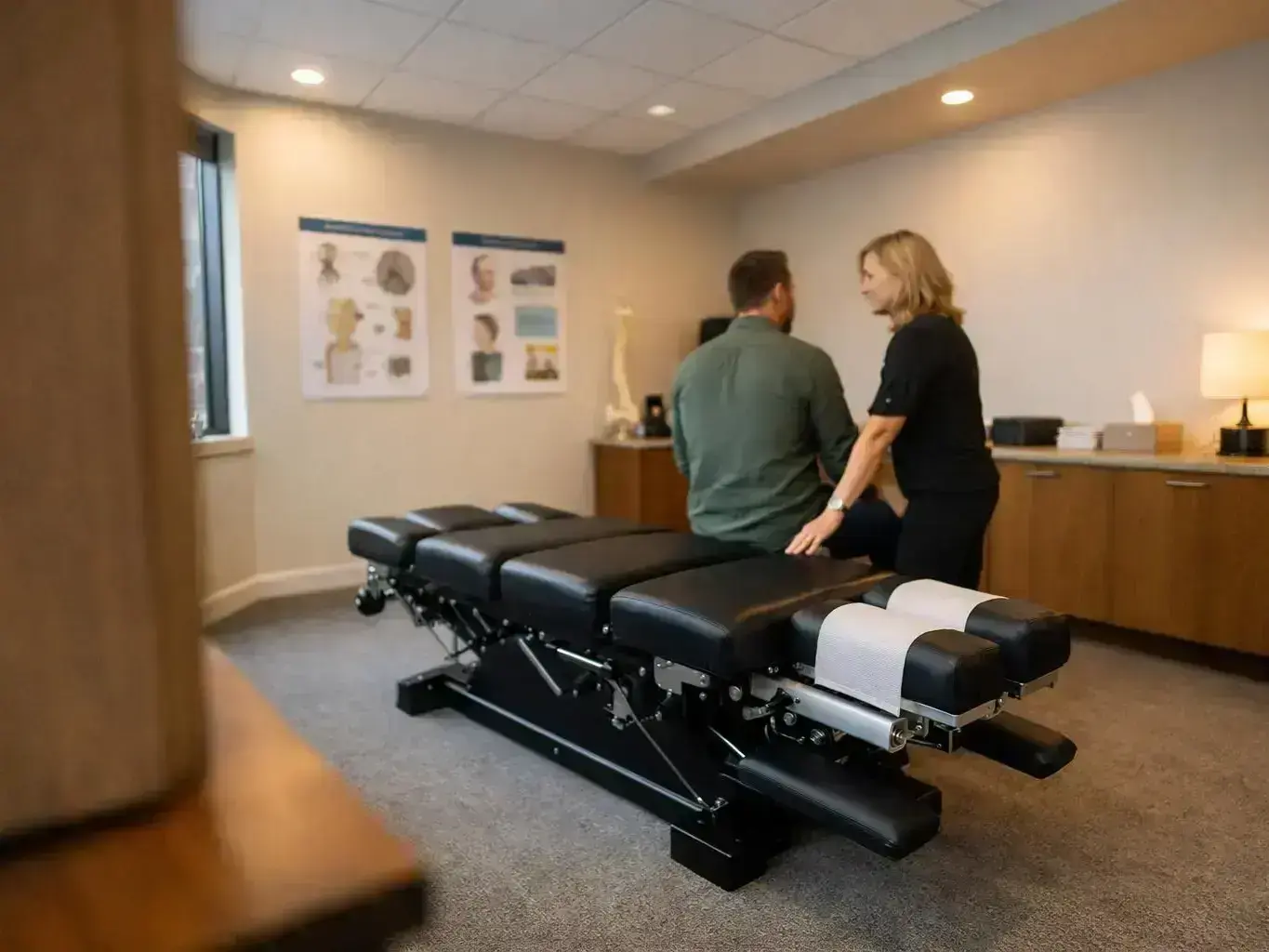
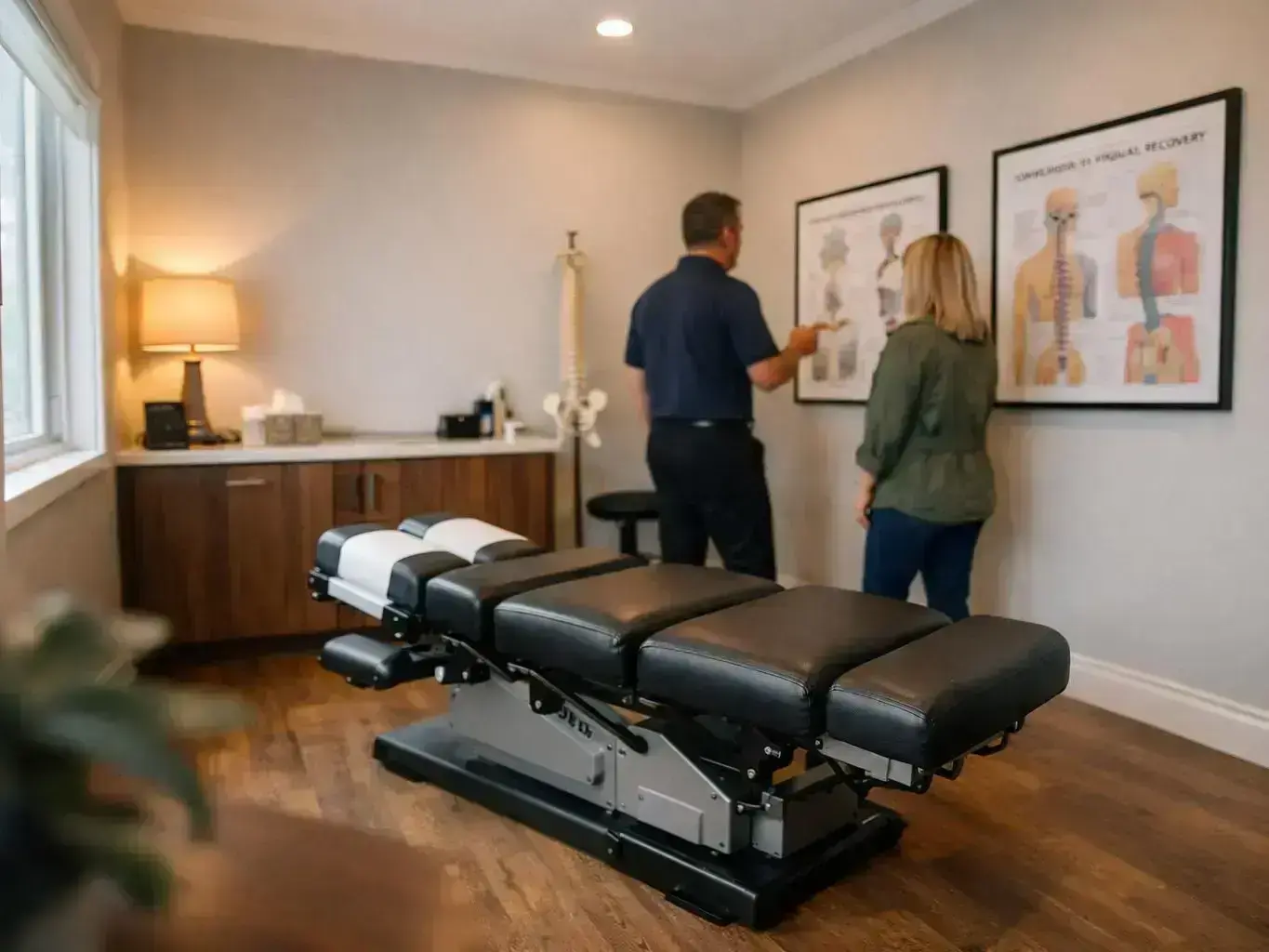
The procedure begins with the patient lying face down on a Cox Flexion-Distraction table. The chiropractor secures the patient’s lower body to the table while the upper section moves rhythmically. The table’s motion creates a pumping effect on the spinal discs, encouraging hydration and nutrient exchange within the disc material. This process also helps restore normal spinal motion and reduces inflammation around affected nerves.
During the treatment, the chiropractor may apply light pressure to specific areas of the spine to boost the stretch. Sessions typically last 10 to 15 minutes and are often combined with other therapies, such as ice, heat. Or electrical stimulation, to get the most from pain relief and healing. Patients usually require multiple sessions, with the number depending on the severity of their condition and their response to treatment.
Why Cox Flexion-Distraction Matters?

Cox Flexion-Distraction offers a safe and effective alternative to surgery for many patients with disc-related pain. Studies show it can reduce pressure on spinal nerves by up to 50%, providing significant pain relief. For patients with sciatica, this technique can decrease the need for medications, including opioids, which carry risks of dependency and side effects. It also helps restore mobility, allowing patients to return to daily activities without the limitations caused by chronic back or leg pain.
Another key benefit is its ability to address the root cause of pain rather than just masking symptoms. By improving disc health and spinal alignment, Cox Flexion-Distraction supports long-term recovery and reduces the likelihood of recurring pain. This makes it a valuable option for patients seeking sustainable relief from conditions like degenerative disc disease or post-surgical spinal issues.
When Cox Flexion-Distraction Matters Most?
Cox Flexion-Distraction is most beneficial for patients experiencing pain, numbness. Or weakness due to spinal disc problems. Common conditions treated with this technique include herniated discs, bulging discs, sciatica. And spinal stenosis. It is also useful for patients who have not responded to other conservative treatments, such as physical therapy or medication. But are not yet ready for surgery.
Patients with acute injuries, such as those from car accidents or sports, may also benefit from this technique, especially if they have swelling or inflammation around the spine. And older adults with age-related spinal degeneration often find relief with Cox Flexion-Distraction, as it helps maintain spinal flexibility and reduces stiffness. But it may not be suitable for patients with severe osteoporosis, spinal fractures. Or certain infections. So a thorough evaluation by a chiropractor is essential before starting treatment.