Understanding Flexion Distraction
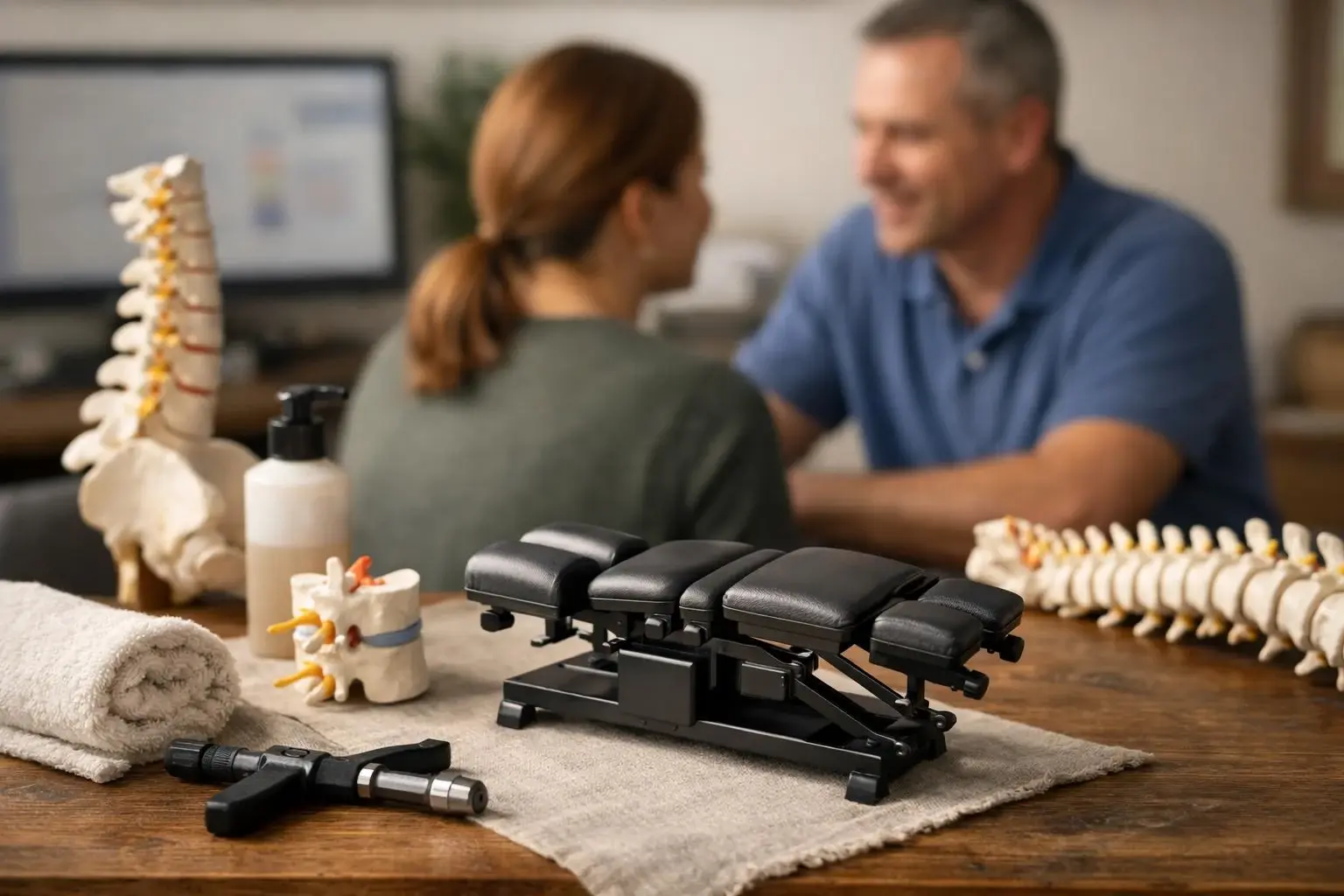
Flexion Distraction is a chiropractic approach developed to treat conditions affecting the spine, particularly those involving discs, nerves. And joints. Unlike forceful adjustments, this technique uses a mechanized table that gently flexes and distracts the spine in a controlled manner. The goal is to create negative pressure within the spinal discs, which can help retract herniated material, reduce nerve compression. And improve circulation to damaged tissues. This method is especially useful for patients who may not tolerate traditional manual adjustments due to pain or sensitivity.
The technique was popularized by Dr. James Cox and is sometimes referred to as the Cox Flexion-Distraction method. It combines manual chiropractic adjustments with mechanical decompression, making it distinct from other spinal therapies. The rhythmic motion of the table helps restore normal movement patterns in the spine while reducing inflammation and muscle tension. Because the movements are gradual and controlled, patients often experience immediate relief without discomfort during the procedure.
How Flexion Distraction Works?
Flexion Distraction works by utilizing a specialized chiropractic table that moves in specific ways to stretch and decompress the spine. The patient lies face down on the table, which is divided into sections that can move independently. The chiropractor applies gentle pressure to the affected area while the table flexes and distracts, creating a pumping action that encourages disc hydration and nutrient exchange. This process helps reduce pressure on spinal nerves and discs, promoting healing and pain relief.
The technique typically involves a series of slow, repetitive movements. The chiropractor may adjust the angle and pressure based on the patient’s condition and response. For example, if a patient has a herniated disc in the lower back, the table may focus on flexing the lumbar spine while applying slight traction. This combination of flexion and distraction helps create space between vertebrae, allowing herniated disc material to retract and reducing irritation of nearby nerves.
Treatment sessions usually last between 10 to 20 minutes and are often combined with other therapies, such as ice, heat. Or electrical stimulation, to boost results. The number of sessions required depends on the severity of the condition. But many patients report improvement within a few visits. The technique is considered safe for most patients, including those with acute pain or post-surgical conditions, as it avoids high-velocity thrusts.
Why Flexion Distraction Matters?
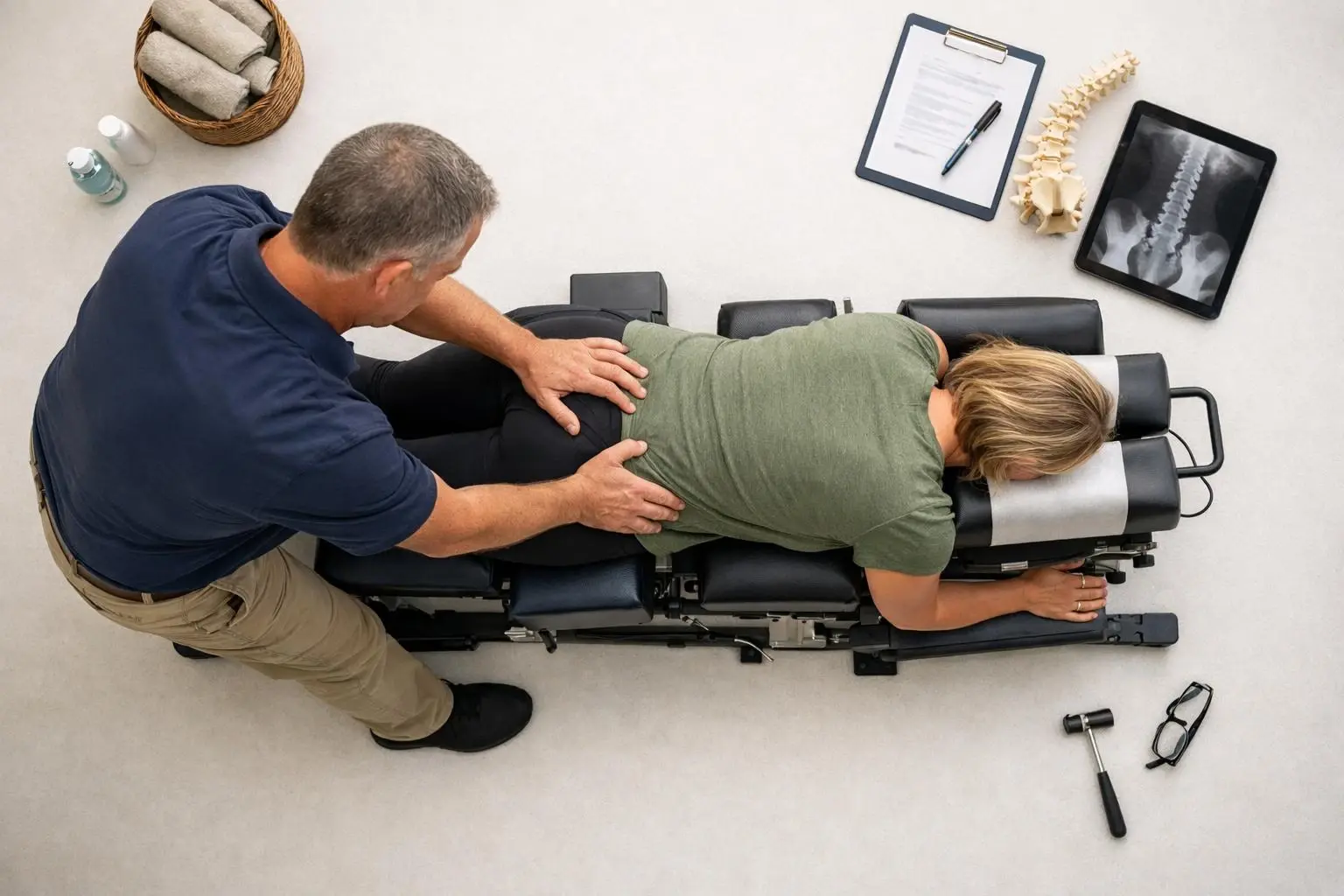
Flexion Distraction matters because it offers a non-invasive alternative to surgery or medication for spinal conditions. Many patients with herniated discs, sciatica. Or spinal stenosis experience significant pain and limited mobility, which can interfere with daily activities. This technique provides a way to address the root cause of the pain—such as disc compression or nerve irritation—without resorting to invasive procedures. By improving spinal function and reducing inflammation, patients often regain mobility and experience long-term relief.
Another key benefit of Flexion Distraction is its ability to promote natural healing. The rhythmic stretching and decompressing motions encourage blood flow and nutrient delivery to damaged discs, which can accelerate recovery. Unlike passive treatments that only mask symptoms, this technique actively supports the body’s healing processes. It's also adaptable, allowing chiropractors to tailor the treatment to each patient’s specific needs, whether they have chronic back pain, acute injuries. Or degenerative conditions.
When Flexion Distraction Matters Most?
Flexion Distraction is particularly valuable for patients who have not responded to traditional chiropractic adjustments or other conservative treatments. It is often recommended for individuals with disc-related conditions, such as herniated or bulging discs, as well as those suffering from sciatica, spinal stenosis. Or facet joint syndrome. The technique is also beneficial for patients recovering from spinal surgery, as it provides gentle mobilization without stressing healing tissues.
Many projects start with This method is especially useful for older adults or individuals with fragile spines who may not tolerate more aggressive adjustments. Because it is gentle and controlled, it reduces the risk of further injury while still providing therapeutic benefits. Patients with chronic conditions, such as degenerative disc disease, may also benefit from regular Flexion Distraction sessions to maintain spinal health and prevent flare-ups. And athletes or active individuals with spinal injuries often use this technique to speed up recovery and return to their activities safely.
In Savannah, GA, where humidity and activity levels can contribute to spinal stress, Flexion Distraction offers a practical solution for residents dealing with back pain or disc issues. Chiropractors in the area may use this technique as part of a full care plan to address both acute and chronic spinal conditions.