Glossary

What is Adjustment?

Adjustment is a precise manual procedure performed by a chiropractor to correct misalignments in the spine or joints. These misalignments, called subluxations, can cause pain, reduced mobility. Or nerve interference. Adjustments restore proper alignment, improve function. And support the body’s natural healing process without surgery or medication.

Reviewed by ChiropractorSavannah.comSources reviewed: American Chiropractic Association, National Center for Complementary and Integrative Health (NCCIH)

Quick Facts About Adjustment

Category

Chiropractic technique

Used for

Pain relief, mobility improvement, nerve function

Common confusion

Often mistaken for massage or physical therapy

Also called

Chiropractic adjustment, Spinal adjustment

Often discussed with

Chiropractic Consultation and Diagnosis, Work Injury Treatment

Key Takeaways About Adjustment

Understanding Adjustment

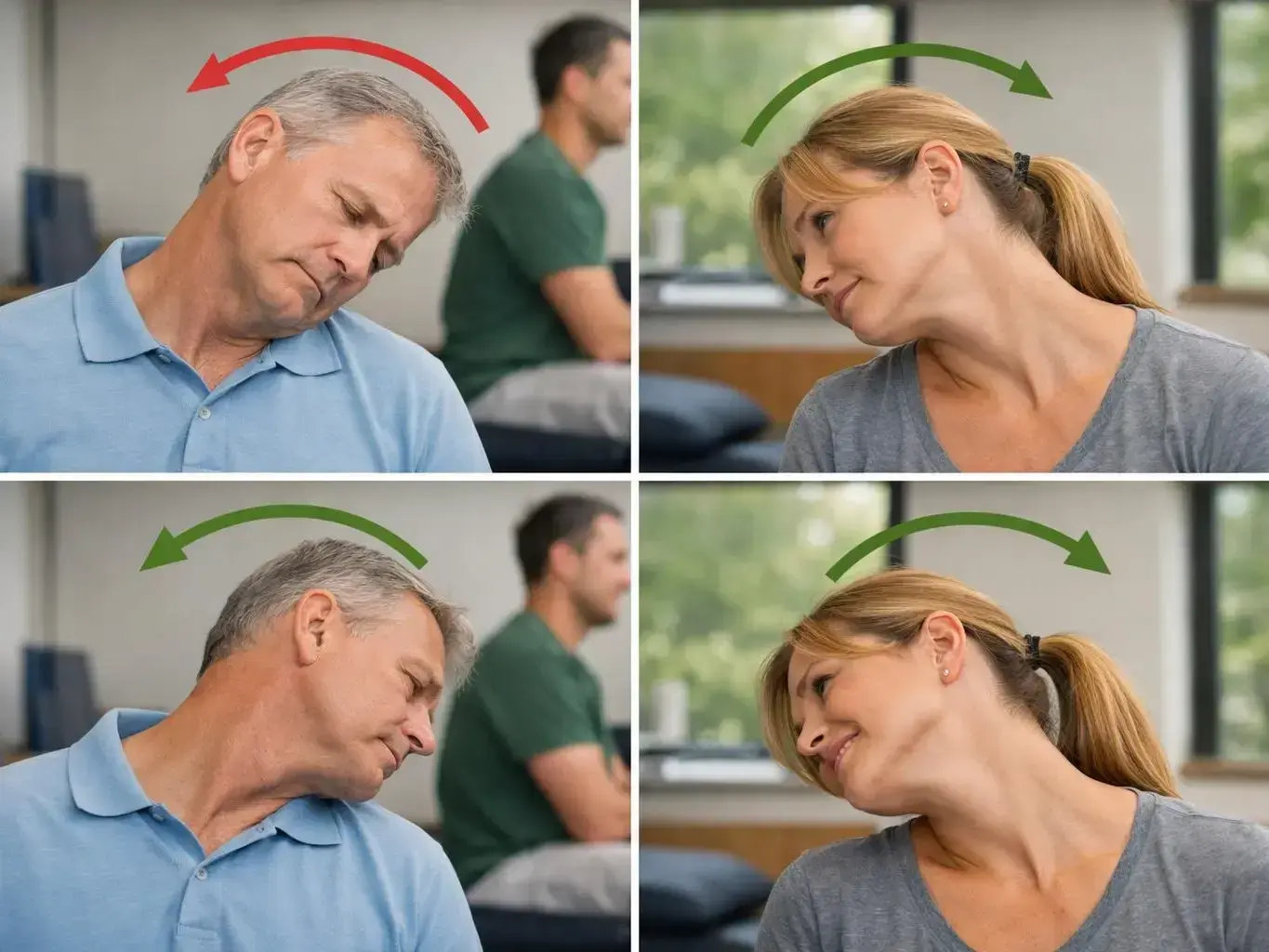
Adjustment in Chiropractor: Adjustment is a precise manual procedure performed by a chiropractor to correct—visual guide

An adjustment is a main chiropractic (back doctor) step. It fixes joints that are out of place. Most often, it fixes the spine.

Related glossary terms: Chiropractic Adjustment, Spinal Adjustment, Joint Dysfunction.

These misalignments (bad joint positions) happen for many reasons. Poor posture can cause them. So can injuries or doing the same task over and over. Even sitting too long can shift joints.

When joints move out of place, they can press on nerves. They can swell or get stiff. This can cause pain or make it hard to move.

Adjustments use a quick, controlled push. They help the joint go back to the right spot. Most people feel no pain. Many feel better right away.

Chiropractors (back doctors) check each person first. They look at age and health history. They also check how bad the misalignment is.

A child or someone with weak bones may get a soft touch. An athlete with an injury may need a firmer push. The goal is to help the body heal safely.

Adjustments help without medicine or surgery. They let the body fix itself.

How Adjustment Works?

Adjustments help joints move the right way. This can cut pain and help you move better. When a joint is out of place, muscles can get tight. Nerves can get sore.

An adjustment gives a quick, controlled push. It often makes a popping sound. This sound is normal. It comes from gas bubbles in the joint.

The push helps the joint move freely. It takes pressure off nerves. It also eases tight muscles.

Chiropractors use many ways to adjust joints. Some use their hands. Others use tools or special tables.

One way is called the Diversified Technique. It uses quick, precise pushes. Another way is the Thompson Drop Technique. It uses a table that drops a little.

The table boosts the push. The doctor picks the best way for each person. They think about the person's comfort and condition.

The goal is to fix the joint with little discomfort.

Why Adjustment Matters?
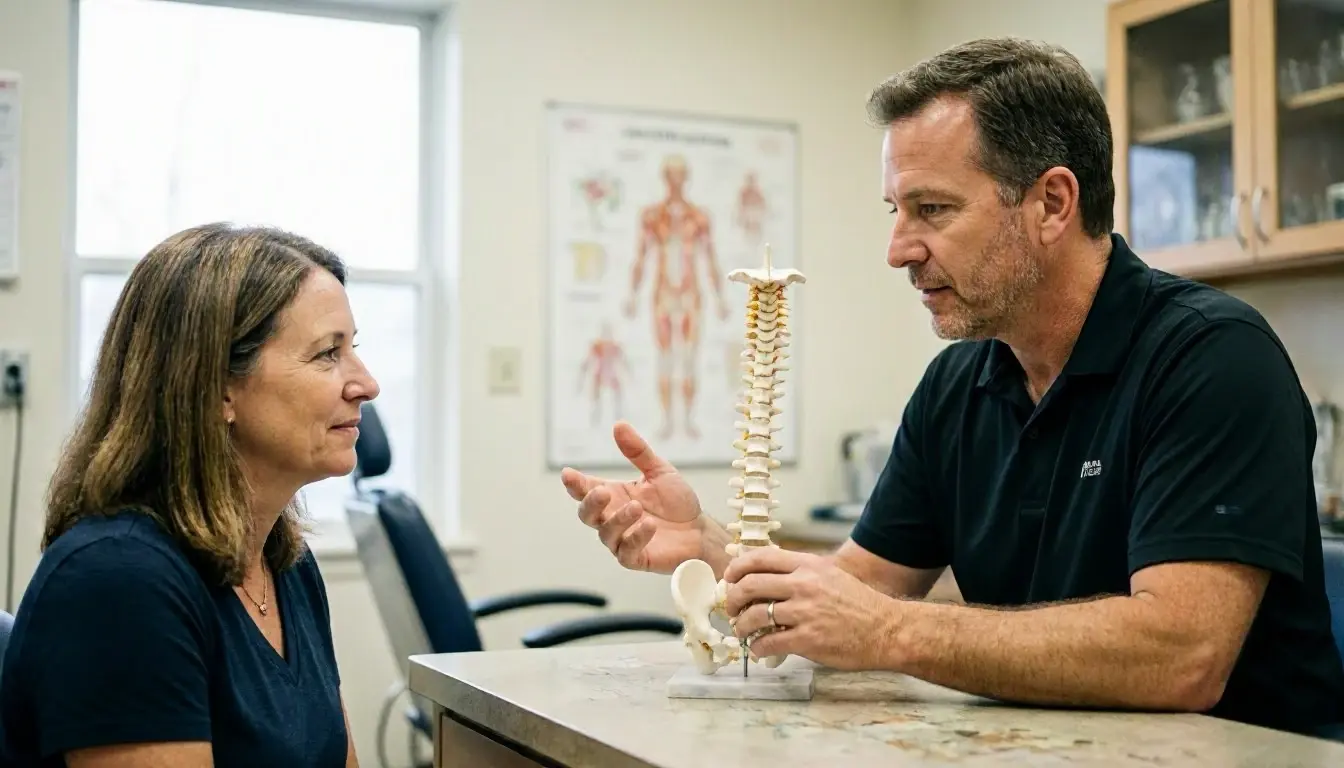
How Adjustment applies to Chiropractor services in Savannah, United States—practical illustration

Adjustments matter because they fix the real problem. They don't just hide pain like some pills do. Many back problems start with joints that are out of place.

If you don't fix them, they can get worse. Adjustments help your spine line up right. This can cut pain and help you stand straighter.

It can also stop new injuries. Adjustments help your nerves too. Nerves run through your spine. They control everything your body does.

When nerves work right, your body heals better. It stays healthier too.

Adjustments don't just stop pain. They help you move better and bend easier. People with headaches or stiff joints often feel better.

They can stay active without pain pills. Athletes like adjustments too. They help them play better and avoid injuries.

Adjustments help your body move the way it should. This helps you recover faster from work or sports.

When Adjustment Matters Most?

Adjustments help when joints cause pain or stiffness. They help when you can't move well. They help after injuries like whiplash.

They help with long-term problems like arthritis. They help if your job makes your back hurt. Athletes use them to play better and avoid injuries.

Even people without pain may need adjustments. Joints can shift slowly over time. You might not feel it at first.

Adjustments are very important after accidents. If joints stay out of place, pain can last a long time. A car crash can shift your spine.

If you don't fix it, it can cause long-term pain. Doing the same task over and over can shift joints too. Lifting or typing can do this.

Regular adjustments keep joints in place. This stops future problems. It helps you stay healthy.
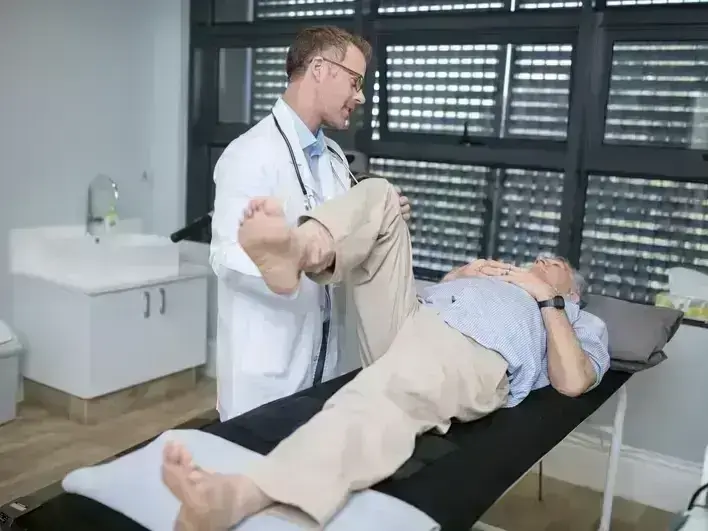
How to Evaluate Adjustment?

Related Concepts Compared

Adjustment vs. Chiropractic Manipulation

Chiropractic manipulation is a broader term that includes any manual therapy to joints. While an adjustment specifically corrects misalignments.

Adjustment vs. Massage Therapy

Massage therapy focuses on soft tissues like muscles. While adjustments target joints and spinal alignment.

Adjustment vs. Physical Therapy

Physical therapy uses exercises and stretches to improve strength and mobility. While adjustments focus on joint alignment.

Expert Note

Adjustments are highly individualized. A technique that works well for one patient may not be suitable for another. So chiropractors often combine multiple methods for the best results.

Common Mistakes or Myths About Adjustment

  • Assuming adjustments are painful—they are typically gentle and well-tolerated.
  • Thinking adjustments are only for back pain—they can help joints throughout the body.
  • Believing one adjustment is enough—many conditions require multiple sessions for lasting relief.
  • Confusing adjustments with cracking joints at home, which lacks precision and can cause injury.

Adjustment in Practice: A Real-World Example

After a long day of sitting at a desk, Sarah noticed her lower back felt stiff and painful. Her chiropractor identified a misalignment in her lumbar spine and performed a gentle adjustment. Within minutes, Sarah felt relief and could move more freely, allowing her to return to her daily activities without discomfort.

Related Services

Related Terms

Chiropractic Adjustment

Chiropractic Adjustment is a hands-on procedure where a licensed chiropractor applies controlled force to a specific joint in the spine or other body part to improve alignment, reduce pain. And restore movement. These adjustments are often performed using the chiropractor’s hands or a small instrument and may produce a popping sound as gas releases from the joint.

Spinal Adjustment

Spinal Adjustment is a manual procedure performed by a chiropractor to apply controlled force to a specific joint in the spine. The goal is to improve spinal motion, reduce nerve irritation. And restore proper alignment to help the body function better and relieve pain without surgery or medication.

Joint Dysfunction

Joint Dysfunction is a condition where a joint in the body moves improperly or loses its normal range of motion, often causing pain, stiffness. Or inflammation. It can result from injury, overuse, poor posture. Or underlying conditions like arthritis. Joint Dysfunction may affect any joint, including the spine, shoulders, hips.

Diversified Technique

Diversified Technique is a widely used chiropractic method that involves hands-on spinal adjustments to restore proper joint movement and alignment. Chiropractors apply quick, precise thrusts to specific joints, often producing a popping sound called a cavitation. This technique aims to reduce pain, improve mobility. And support nervous system function without surgery or medication.

ChiropractorSavannah.com

Have Questions About Adjustment?

Contact ChiropractorSavannah.com for practical guidance on Adjustment and related chiropractor work in Savannah.

+1 912-378-1371