Glossary

What is Active Release Technique?

Active Release Technique is a patented soft-tissue treatment method that combines precise manual pressure with patient movement to break up scar tissue and adhesions in muscles, tendons, ligaments. And nerves. Developed by chiropractor P. Michael Leahy, this hands-on approach aims to restore pain-free motion and function by addressing repetitive strain injuries and overuse conditions.

Reviewed by ChiropractorSavannah.comSources reviewed: Active Release Techniques, National Board of Chiropractic Examiners

Quick Facts About Active Release Technique

Category

Soft-tissue therapy

Used for

Repetitive strain injuries and overuse conditions

Common confusion

Mistaken for general massage or passive stretching

Also called

ART

Often discussed with

Sports Injury Chiropractic Care, Work Injury Treatment

Key Takeaways About Active Release Technique

Understanding Active Release Technique
Active Release Technique in Chiropractor: Active Release Technique is a patented soft-tissue treatment method that combine...

Active Release Technique is called ART. It treats soft-tissue injuries. These come from doing the same motion too much.

Related glossary terms: Soft Tissue Therapy, Chiropractic Manipulation, Impaired Range of Motion.

ART also helps injuries from overuse or accidents. It's not like regular massage. Massage helps you relax.

ART finds and fixes tight spots. These spots are in muscles, tendons. Or nerves. They can hurt and make you weak.

These tight spots are called adhesions (scar tissue). They can cause long-term problems. This happens if no one treats them.

Dr. P. Michael Leahy made ART in the 1980s. He was a chiropractor (back doctor) and engineer.

He saw that many muscle problems came from tight tissues. They didn't just come from joints being out of place.

How Active Release Technique Works?

ART works because tissues need to move freely. Muscles, nerves. And tissues work best this way.

When tissues get hurt or overworked, they form adhesions. These are stiff bands of scar tissue.

Adhesions stick tissues together wrong. This stops normal sliding between layers.

It causes pain, weakness. And less movement. A runner with tight hamstrings may feel this.

Adhesions can make their stride shorter. They can also hurt their lower back.

ART finds and fixes these adhesions. It helps tissues feel and move normal again.

The body can then heal itself. You can move without pain.

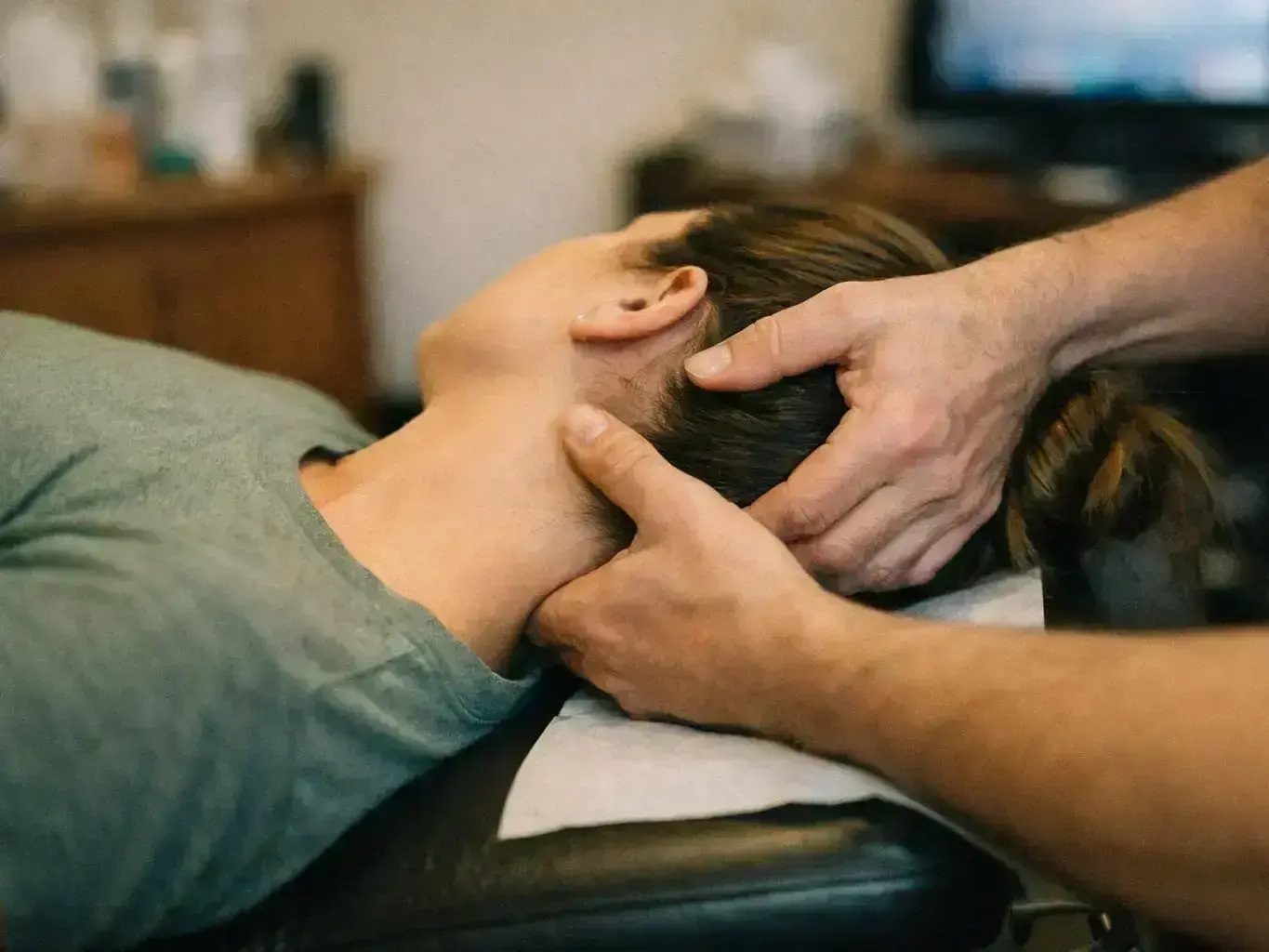
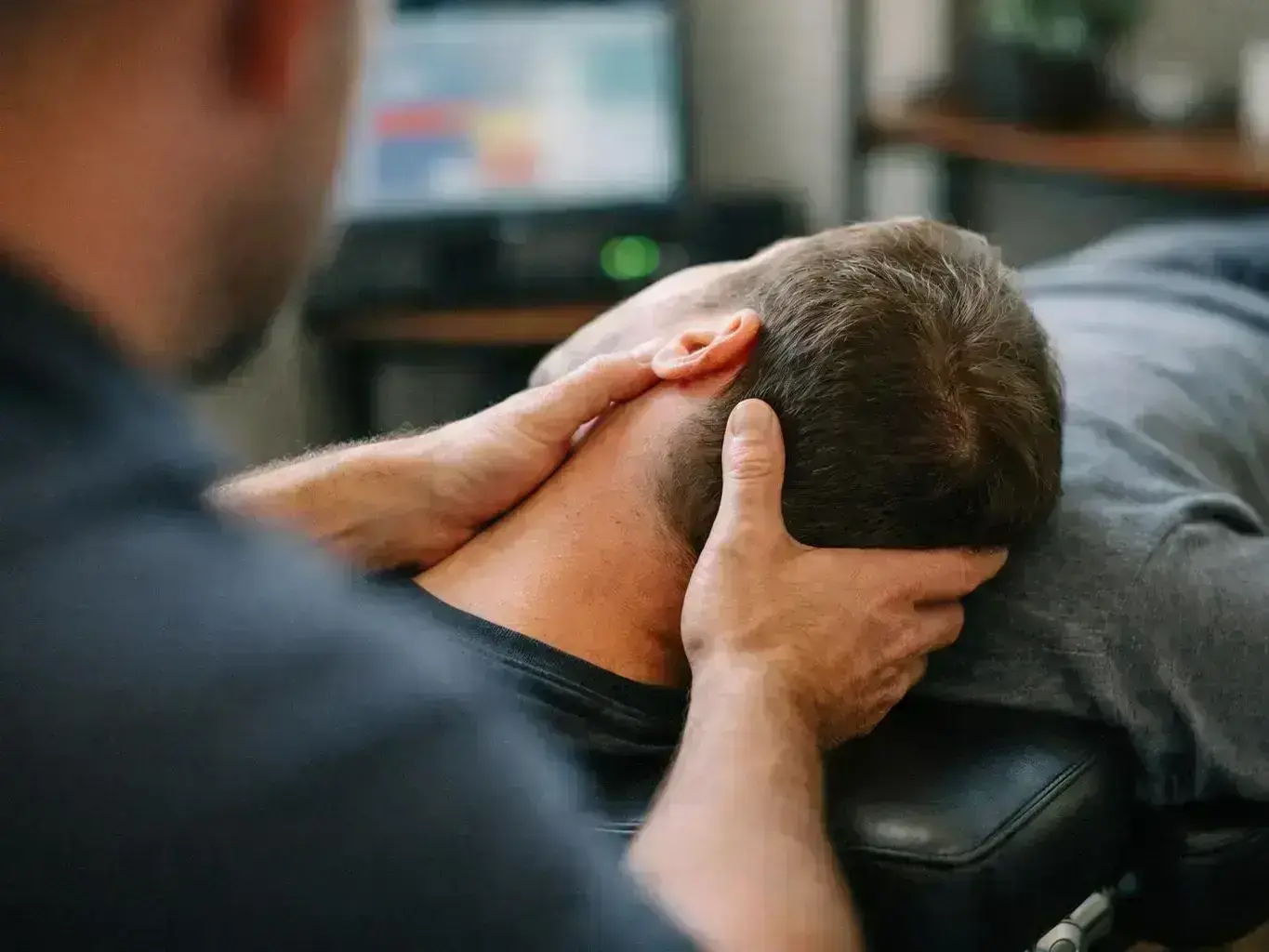
The ART process starts with a check-up. The provider feels the sore area. They find tight spots and stiff parts.

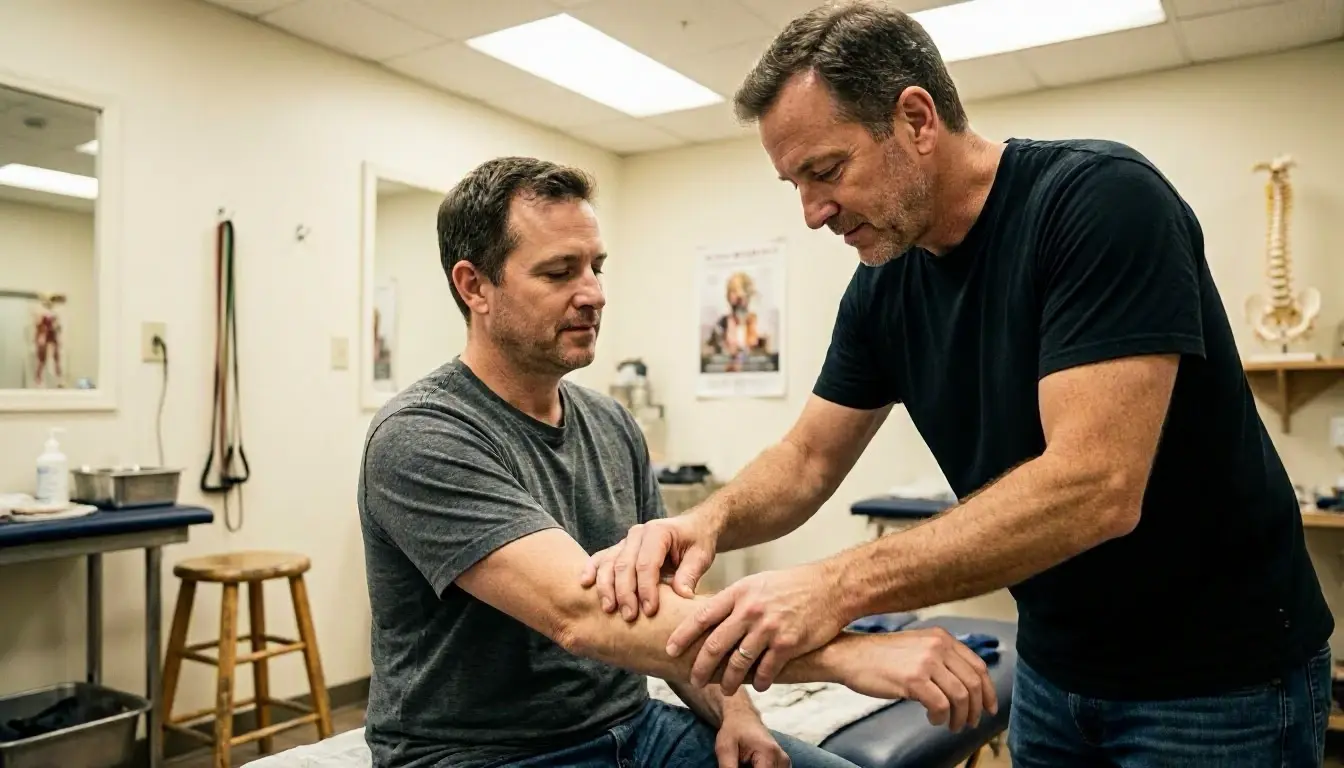
They use their hands to press on the tight tissue. You move in a certain way at the same time.

These movements help stretch and free the stuck tissue. This breaks up scar tissue.

It helps the tissue work right again. For example, you may have carpal tunnel syndrome.

The provider presses on your forearm. You bend and straighten your wrist.

The pressure and movement work together. They free the stuck tissue.

Each ART session lasts 10 to 15 minutes. This is for each sore area. How many sessions you need depends on your problem.

New injuries may need 3 to 5 sessions. Long-term problems may need 6 to 12 or more.

Providers must train hard to do ART. They get a special certificate.

They learn from the Active Release Techniques group. They take tests and show their skills.

This makes sure they can do ART safely. They must find and fix tight tissues well.

Why Active Release Technique Matters?
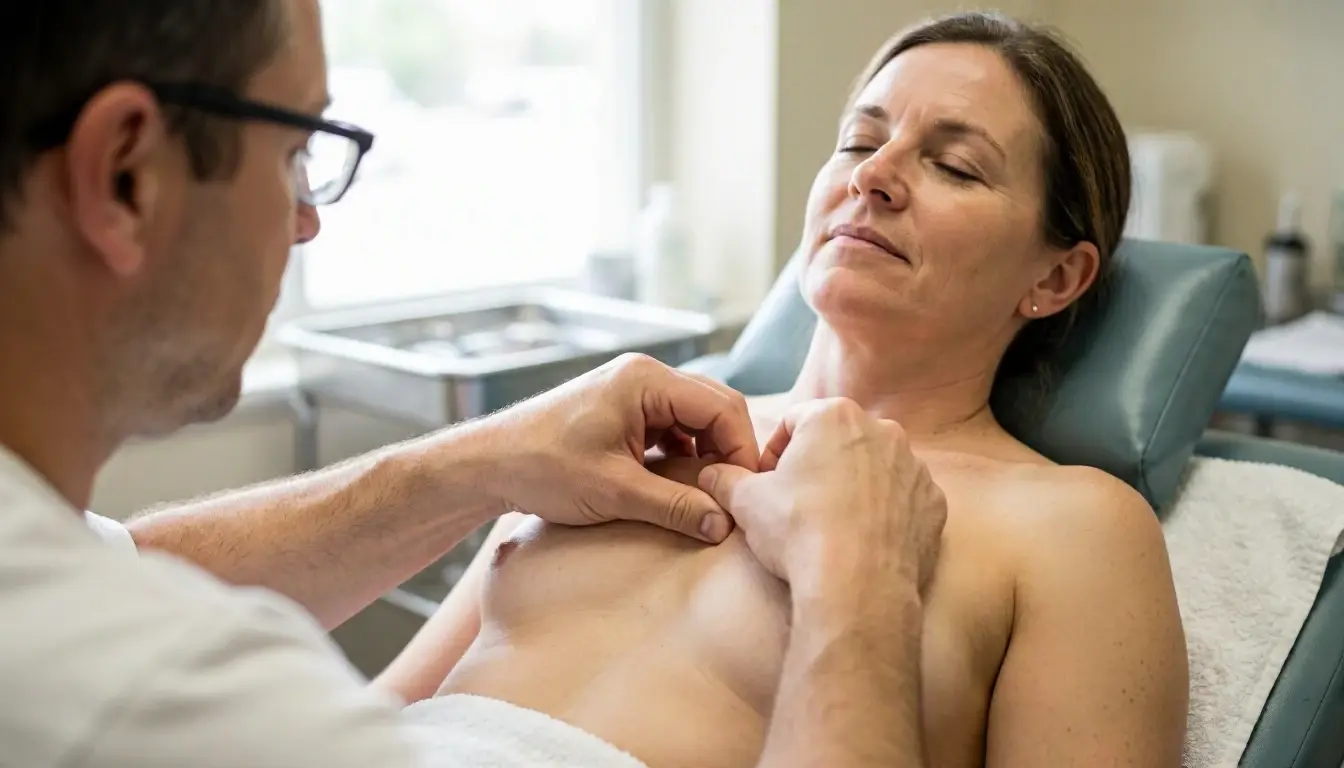
How Active Release Technique applies to Chiropractor services in Savannah, United States—practical illustration

ART helps because it fixes a common cause of pain. Many people have tight tissues and don't know it.

People try rest, pills. Or massage. These only help for a little while.

ART finds and fixes the real problem. It treats tight tissues that hurt and limit movement.

This is great for athletes or workers. It helps them get back to what they do faster.

It also lowers the chance of getting hurt again.

ART doesn't just stop pain. It helps you do better and avoid future injuries.

It lets muscles and joints move easier. This puts less stress on other parts.

A pitcher with shoulder problems may throw better. They may also avoid shoulder injuries.

ART works well with other treatments. These include back adjustments or exercises.

It fixes tight tissues that can stop other treatments from working. This makes ART a great tool for full care.

When Active Release Technique Matters Most?

ART helps most when tight tissues cause pain. It also helps when tissues limit movement.

It works well for injuries from doing the same thing over and over. These include carpal tunnel or tennis elbow.

ART also treats long-term problems. These include plantar fasciitis or rotator cuff injuries.

People who tried rest or other treatments may like ART. It fixes the tight tissues causing the problem.

ART helps people healing from injuries too. These include sprains, strains. Or surgery scars.

A patient with knee surgery may get tight tissues. These can limit movement and slow healing.

ART can break up these tight spots. This helps the patient move and get strong faster.

ART can also stop injuries before they happen. It helps athletes or workers who do the same motions.

It keeps their tissues healthy. This stops injuries before they start.

In Savannah, GA, many people play sports or have hard jobs. ART can help them stay active and pain-free.

How to Evaluate Active Release Technique?

Related Concepts Compared

Active Release Technique vs. Graston Technique

Graston Technique uses stainless steel tools to scrape and break up scar tissue. While Active Release Technique relies on hands-on pressure and patient movement.

Active Release Technique vs. Deep tissue massage

Deep tissue massage focuses on relaxation and general muscle tension, whereas Active Release Technique targets specific adhesions with precise pressure and movement.

Active Release Technique vs. Chiropractic adjustment

Chiropractic adjustments realign joints. While Active Release Technique treats soft-tissue restrictions in muscles, tendons. And nerves.

Expert Note

Active Release Technique is most effective when combined with a broader rehabilitation plan, including stretching, strengthening. And ergonomic adjustments. Isolated ART sessions may provide temporary relief. But lasting results require addressing the underlying causes of tissue stress.

Common Mistakes or Myths About Active Release Technique

  • Assuming ART is the same as a general massage—it requires specific training and certification.
  • Expecting immediate results after one session—most conditions require multiple treatments.
  • Ignoring post-treatment instructions like stretching or hydration, which are critical for recovery.
  • Choosing a provider without ART certification, risking ineffective or unsafe treatment.

Active Release Technique in Practice: A Real-World Example

A Savannah warehouse worker develops chronic shoulder pain from repeatedly lifting boxes overhead. During an ART session, the chiropractor applies pressure to tight areas in the worker’s rotator cuff while guiding the arm through specific motions. After several sessions, the worker experiences reduced pain and improved range of motion, allowing them to return to work without discomfort.

Sources & Further Reading on Active Release Technique

Related Services

Related Terms

Soft Tissue Therapy

Soft Tissue Therapy is a hands-on treatment method that targets muscles, tendons, ligaments. And fascia to reduce pain, improve mobility. And promote healing. Soft Tissue Therapy includes techniques like massage, stretching. And pressure application to release tension, break up scar tissue.

Chiropractic Manipulation

Chiropractic Manipulation is a hands-on treatment method used by chiropractors to restore joint mobility, reduce pain. And improve function. It involves applying controlled force to joints, especially in the spine, to correct misalignments or restrictions. This technique aims to support the body’s natural healing process without surgery or medication.

Impaired Range of Motion

Impaired Range of Motion is a condition where a joint or body part cannot move through its normal, full extent of motion. It often results from injury, inflammation, muscle tightness. Or joint disorders. This limitation can cause pain, stiffness.

Muscle Strain

Muscle Strain is an injury that occurs when muscle fibers stretch too far or tear due to sudden force, overuse. Or improper movement. It often causes pain, swelling. And limited mobility in the affected area. Muscle strains range from mild discomfort to severe tears requiring medical attention. Common in sports, work. Or daily activities, they typically heal with rest, ice.

Ligament Sprain

Ligament Sprain is an injury to a ligament, the tough band of tissue connecting bones at a joint, caused by overstretching or tearing. Ligament sprains commonly occur during physical activities, accidents. Or sudden movements that force a joint beyond its normal range of motion, leading to pain, swelling.

ChiropractorSavannah.com

Have Questions About Active Release Technique?

Contact ChiropractorSavannah.com for practical guidance on Active Release Technique and related chiropractor work in Savannah.

+1 912-378-1371