Understanding Muscle Strain
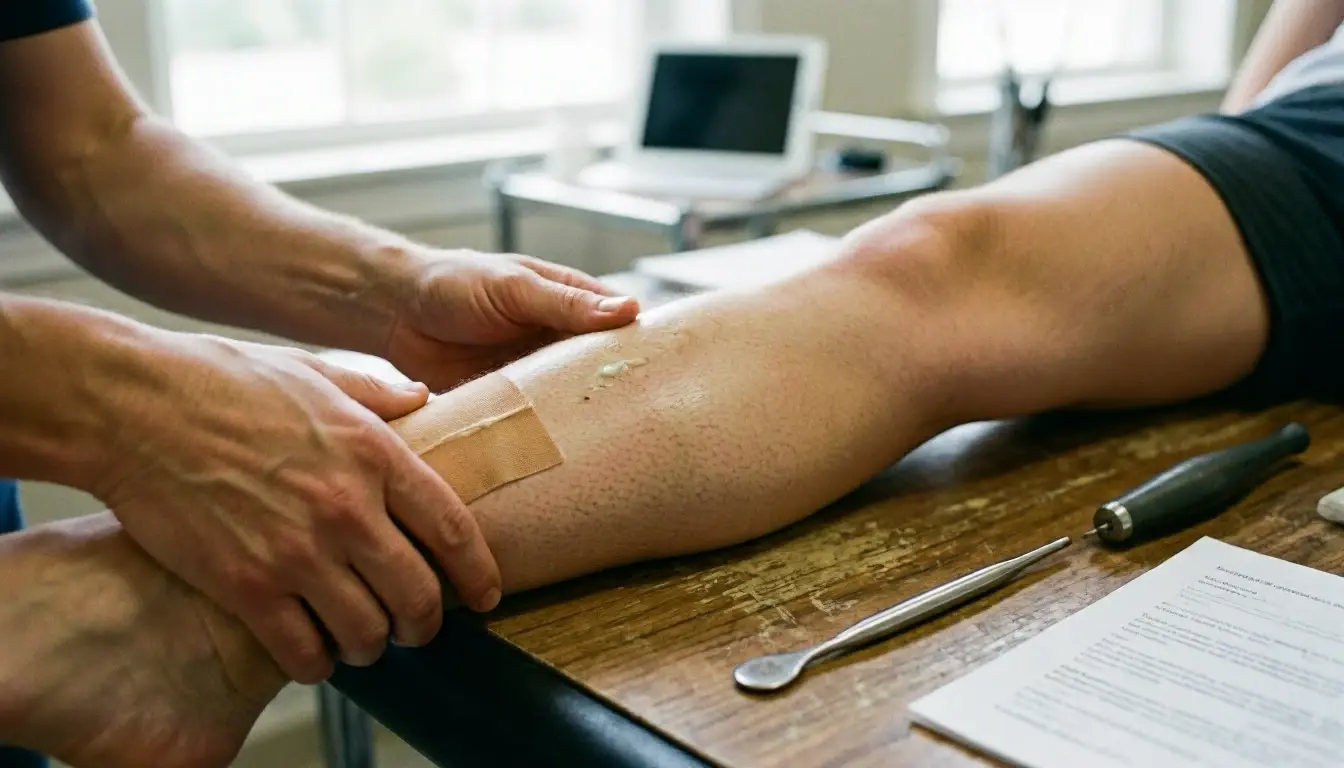
Muscle strain happens when muscles stretch too far. They can also tear from too much force.
This can happen from moving the same way over and over. It can also happen from using muscles the wrong way.
Muscle strain is common in active and quiet lifestyles. Sudden moves like lifting heavy things can cause it.
Running fast or sitting with bad posture can also hurt muscles. Muscles can handle stress but only so much.
When pushed too far, tiny tears happen. These tears cause pain, swelling. And stiffness.
Muscle strains have three grades. Grade 1 is mild. It means muscles stretched a little or have tiny tears.
This causes small pain. But you can still use the muscle mostly like normal.
Grade 2 is worse. It means a bigger tear. This causes more pain and swelling.
You may not be as strong. Most strains are Grade 1 or 2. They get better with care at home.
Grade 3 is the worst. It means a full tear. This causes very bad pain and bruising.
You can't use the muscle. Some bad cases need a doctor to help.
How Muscle Strain Works?
When a muscle strains, the body tries to heal it. It sends more blood to the hurt area.
Blood brings stuff that fixes the muscle. This causes swelling and warmth.
The area feels tender. These are signs to rest the muscle. If you don't rest, healing takes longer.
Using the muscle more can hurt it again. This makes things worse.
Big muscles strain the most. These are muscles we use to move and stand.
They include hamstrings, thighs, lower back. And shoulders. These muscles work hard.
That makes them easy to hurt. Athletes can strain hamstrings when running fast.
People who sit a lot can hurt their lower back. Bad posture causes this.
Where the strain is changes how long it takes to heal. Some heal in days.
Others take weeks.
Doctors check strains by looking at the hurt area. They see how much it hurts and swells.
They check how far you can move. Sometimes they use tests like ultrasound.
They may use MRI (a type of scan). These tests rule out broken bones or torn tendons.
Most strains don't need tests. Doctors can tell by symptoms and what caused the hurt.
Why Muscle Strain Matters?
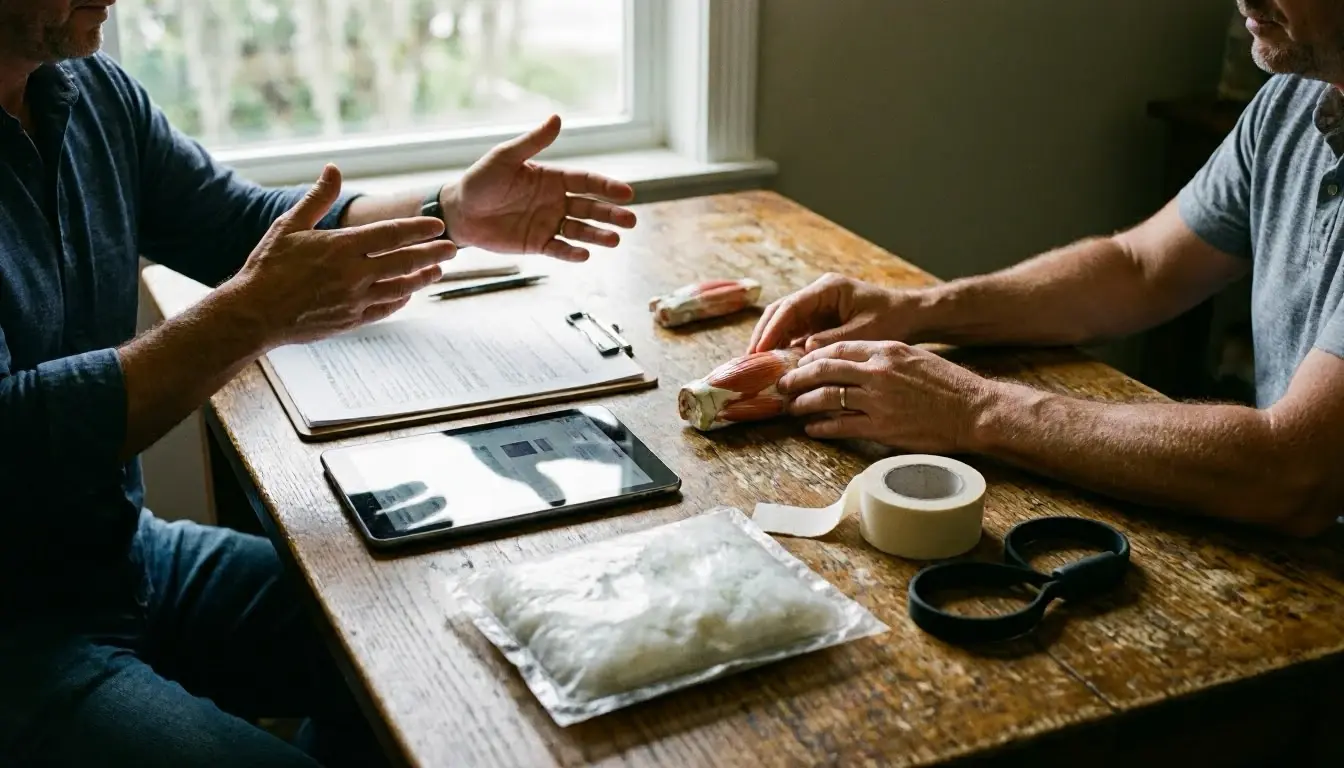
Muscle strains may seem small. But they can cause big problems if not cared for.
Bad pain can make moving hard. Walking or lifting may hurt.
Without good care, strains can lead to long-term pain. Muscles can get weak.
Hurts can keep happening. This is common in athletes or people with hard jobs.
Fixing strains early helps. It lets you get back to normal faster.
Muscle strains can also hurt your mind. Pain that won't go away is frustrating.
Not being able to move can cause stress. Some people stop being active.
This can make fitness worse. Knowing how to stop and treat strains helps.
It lets people take charge of their health. They can stay active and avoid future hurts.
When Muscle Strain Matters Most?
Muscle strains matter when you move a lot. Athletes are at high risk.
Their training is tough. Games are hard too. A strained hamstring can keep them out for weeks.
This hurts their play. It can also affect their team.
People with hard jobs get strains too. Jobs like building or yard work cause them.
Strains can stop them from working. This can cause stress or lost pay.
Strains happen in daily life too. Chores, gardening. Or carrying groceries can cause them.
Lifting wrong or sudden moves can hurt muscles. This pain can mess up your day.
Older adults have more trouble with strains. Their muscles are less stretchy.
Healing takes longer. This raises the risk of falls or long-term problems.
Knowing the signs helps. So does warming up before activity.
Using your body right stops strains too.
Some strains keep coming back. This can mean bigger problems.
Maybe muscles are weak or uneven. Bad posture can also cause strains.
Sitting too long with bad posture hurts the back. Core muscles get weak.
Fixing these issues helps. Doing special exercises helps too.
A doctor or trainer can guide you. This stops future strains and helps you move better.