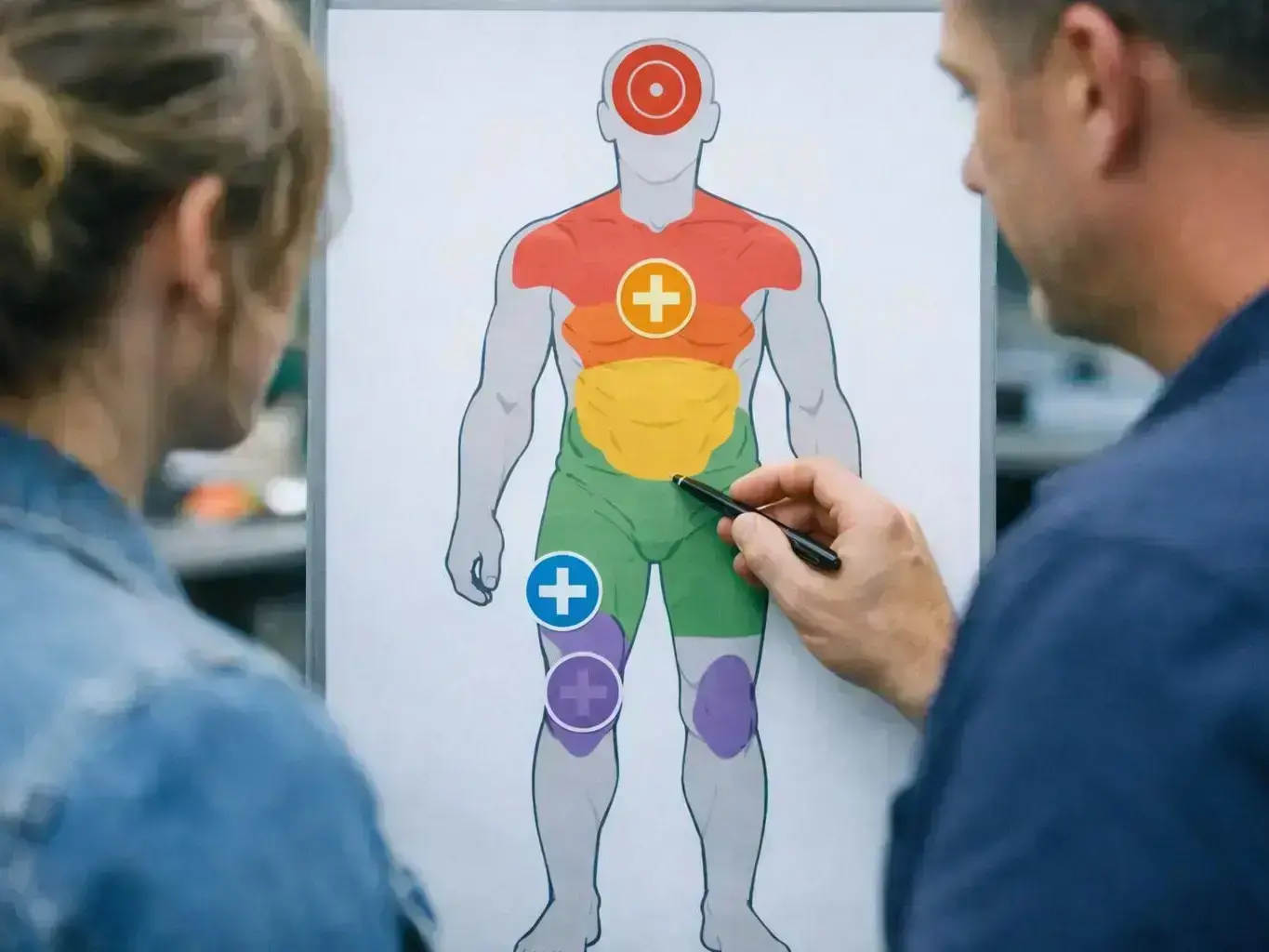
Understanding Ligament Sprain
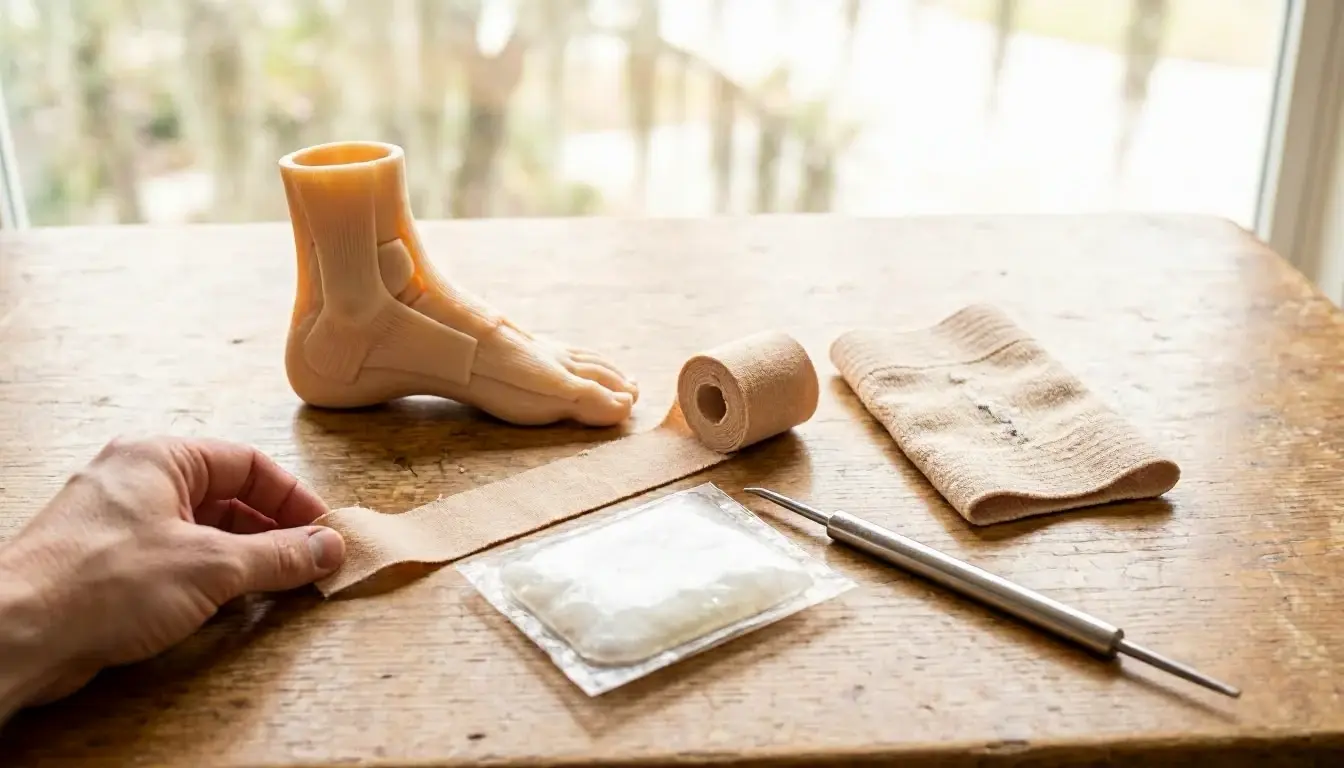
A sprain happens when ligaments get hurt. Ligaments are like strong rubber bands. They hold bones together at joints.
If a joint bends the wrong way, ligaments stretch too far. They can tear. This can happen if you twist your ankle or fall on your hand.
The damage can be small or big. It depends on how hard the joint was hit.
Sprains often happen in ankles, knees, wrists. And fingers. These joints carry weight or move a lot.
Athletes and workers get sprains more often. But anyone can get one during normal activities.
You may feel pain, swelling. Or bruising. The joint may be hard to use. In bad cases, you might hear a pop.
The joint may feel weak. You might not be able to put weight on it.
How Ligament Sprain Is Classified and Diagnosed?
Doctors sort sprains into three types. They call them grades.
Grade 1 is a mild sprain. The ligament stretches a little. It hurts but the joint stays steady.
Grade 2 is worse. The ligament tears a bit. You'll see swelling and bruising. The joint may not work right.
Grade 3 is the worst. The ligament tears all the way. It hurts a lot. The joint feels loose.
Doctors may use an X-ray or MRI (a special picture of your body). This helps check for broken bones.
To diagnose a sprain, the doctor checks your joint. They see how far it moves. They look for pain spots.
They ask how you got hurt. This helps them know which ligaments are hurt.
Most sprains don’t need pictures. But if it’s bad, pictures help. They show if there are other problems.
Why Ligament Sprain Matters?
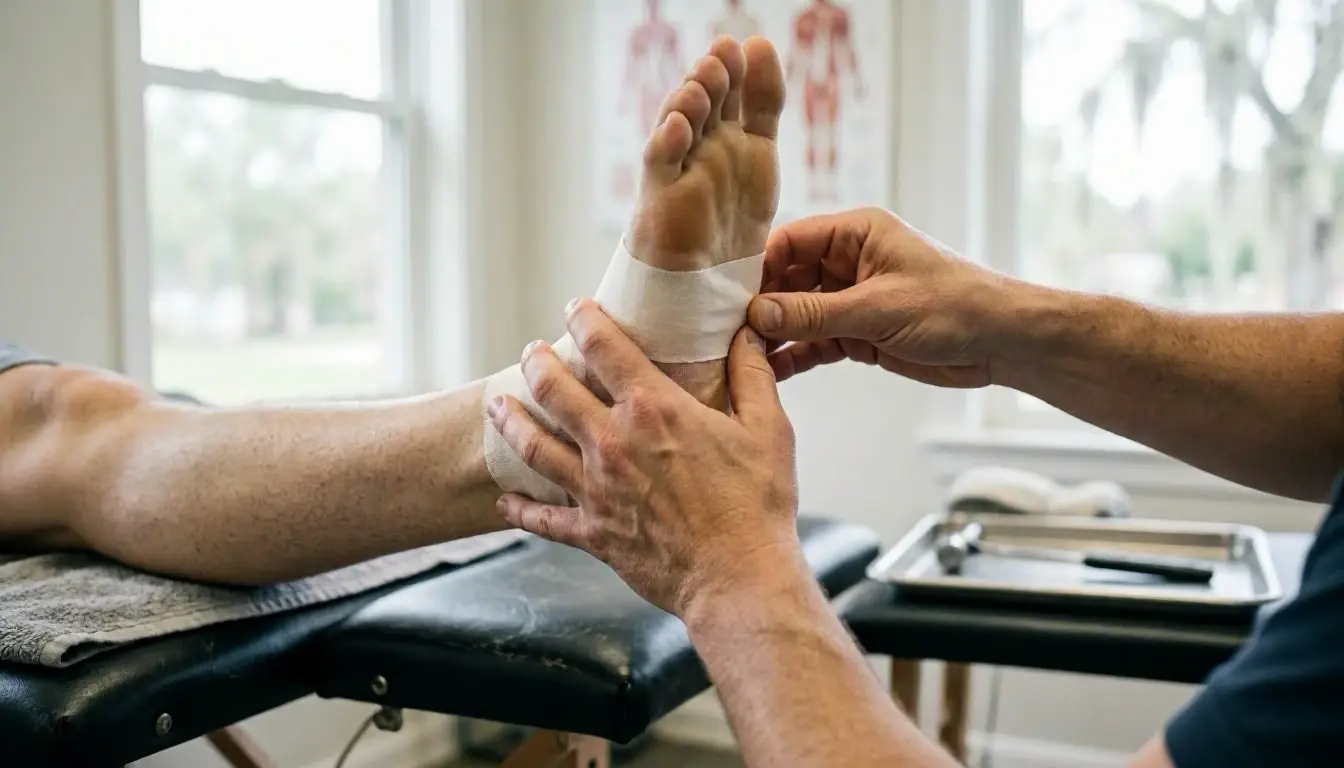
Sprains are more than just pain. They can change your life.
A sprained joint can get hurt again. If it doesn’t heal right, it stays weak. Over time, this can cause big problems.
For example, a bad ankle sprain can lead to more sprains. It may cause arthritis (joint pain). You might lose balance too.
Sprains can make it hard to walk or work. You may not play sports or do hobbies. Pain can keep you awake at night.
Sprains can cost money. Athletes miss games. Workers miss pay. Even small sprains mess up daily tasks.
You might not drive or do chores. You may struggle to care for family. Good treatment helps you heal right.
Rehab (exercises to get better) makes joints strong again. It helps you move with confidence. This stops future injuries.
When Ligament Sprain Matters Most?
Some sprains need quick help. If you can’t put weight on it, see a doctor.
Bad pain, a crooked joint. Or numbness means trouble. You might have a broken bone or nerve damage.
Athletes should get help if sprains hurt performance. Even if it’s not bad, see a doctor after a few days.
Going back too soon is risky. The ligament needs time to heal. If not, you can hurt it again.
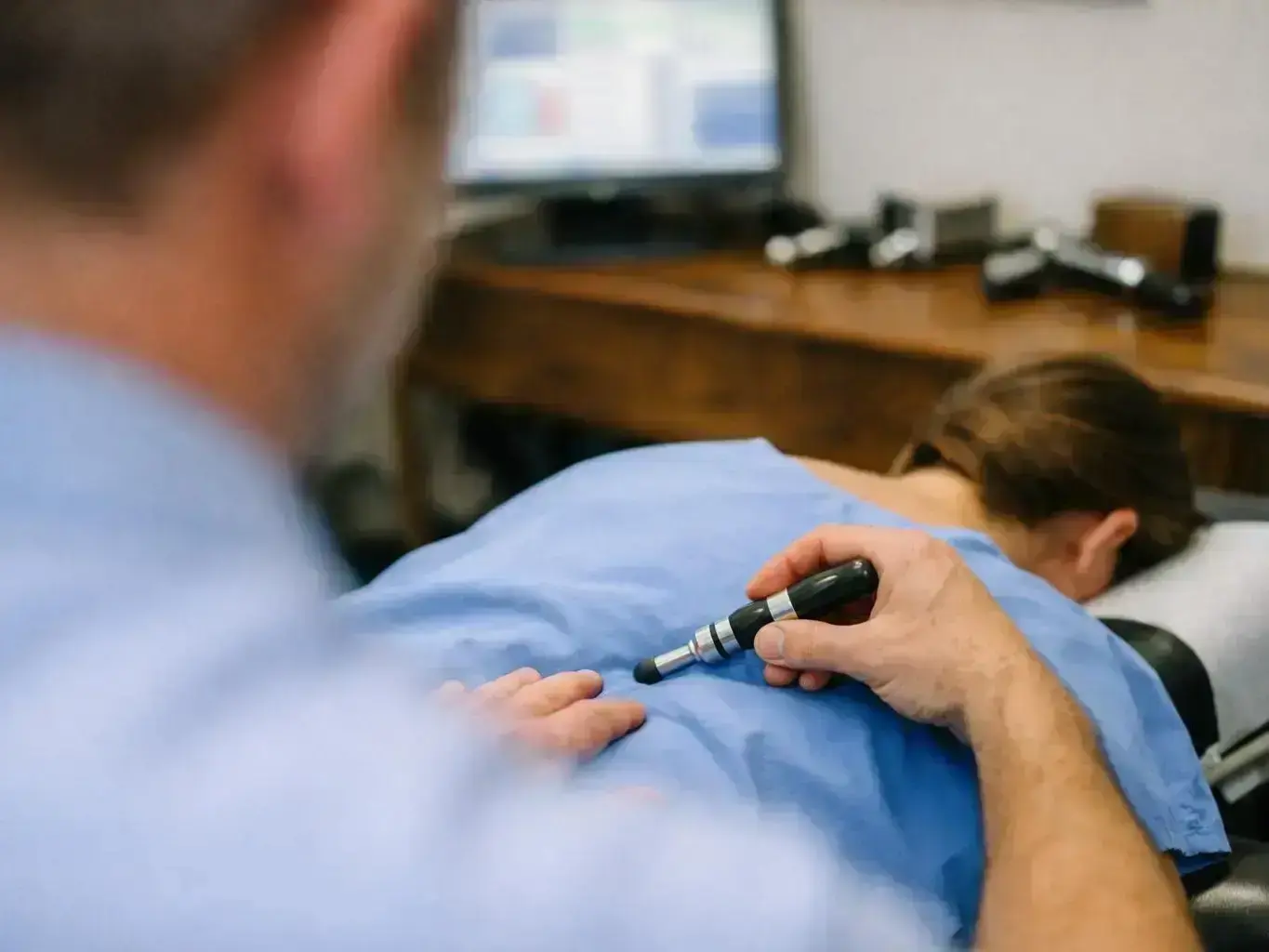
Chiropractors (joint doctors) and therapists can help. They use hands-on fixes and exercises. This makes joints strong again.
If you sprain joints often, try bracing or taping. Stronger muscles help too. This keeps you from getting hurt again.