Understanding Impaired Range of Motion
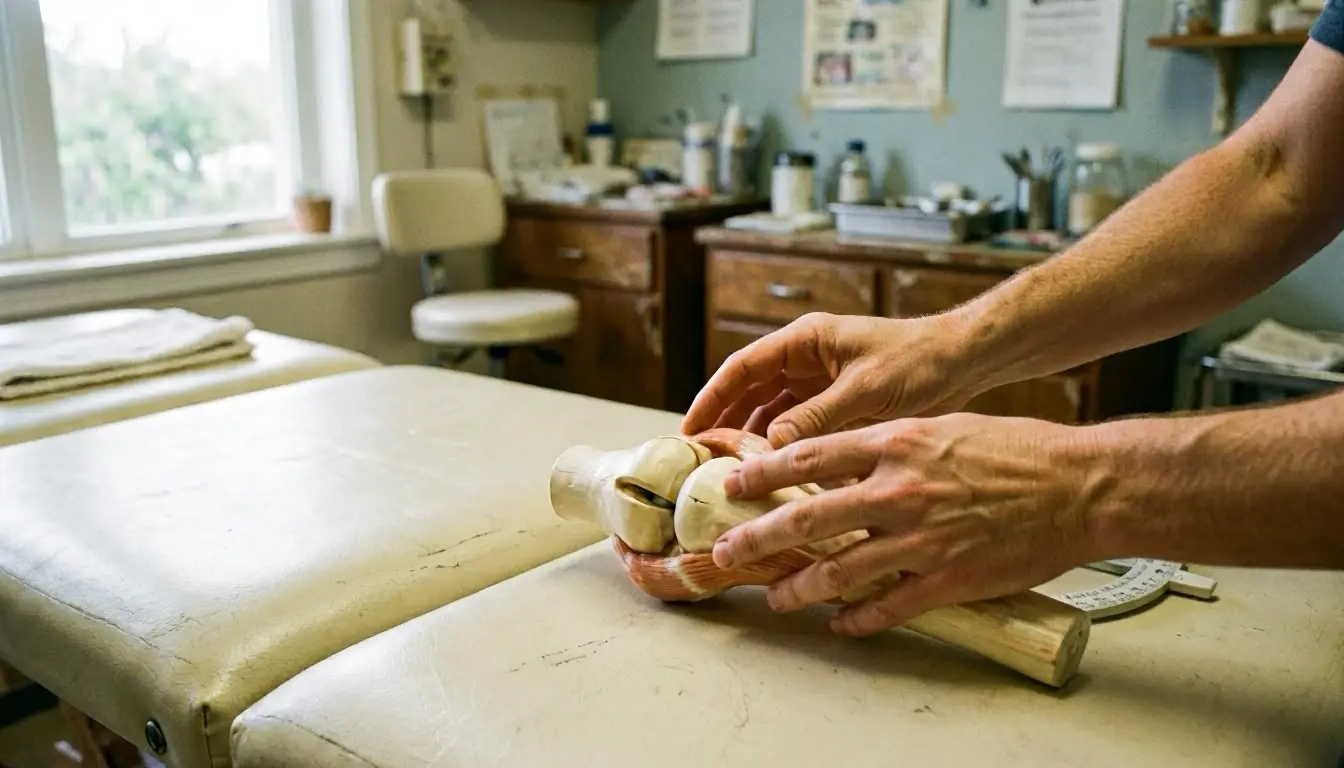
Impaired Range of Motion refers to the reduced ability of a joint or body part to move through its typical range. Every joint in the body has a normal range, measured in degrees, that allows smooth, pain-free movement. When this range becomes limited, simple tasks like reaching overhead, bending down. Or turning the head can become difficult or painful. The impairment can affect any joint, including shoulders, knees, hips. And the spine. And may develop suddenly after an injury or gradually due to aging or chronic conditions.
Several factors contribute to impaired range of motion. Injuries such as sprains, strains. Or fractures can cause swelling and inflammation, which restrict movement. Conditions like arthritis, tendinitis. Or bursitis may also lead to stiffness and pain. In practice, muscle imbalances, scar tissue. Or nerve compression can further limit flexibility. In some cases, prolonged inactivity or poor posture can weaken muscles and reduce joint mobility over time. Understanding the cause helps determine the most effective treatment to restore function.
How Impaired Range of Motion Is Measured?
Healthcare providers assess range of motion using a tool called a goniometer, which measures the angle of a joint in degrees. During an evaluation, the provider asks the patient to move the joint through its full range while noting any pain, stiffness. Or resistance. For example, a healthy shoulder should allow the arm to lift straight overhead, reaching about 180 degrees. If the arm can only reach 120 degrees, the range is impaired. These measurements help track progress during treatment and guide exercises or therapies to improve mobility.
Range of motion is typically categorized as active or passive. Active range of motion refers to the movement a person can achieve using their own muscles, such as lifting an arm. Passive range of motion involves a provider or device moving the joint without the patient’s muscle effort, which can reveal whether the limitation stems from muscle weakness, joint stiffness. Or both. Comparing active and passive measurements helps pinpoint the source of impairment and tailor treatment plans.
Why Impaired Range of Motion Matters?
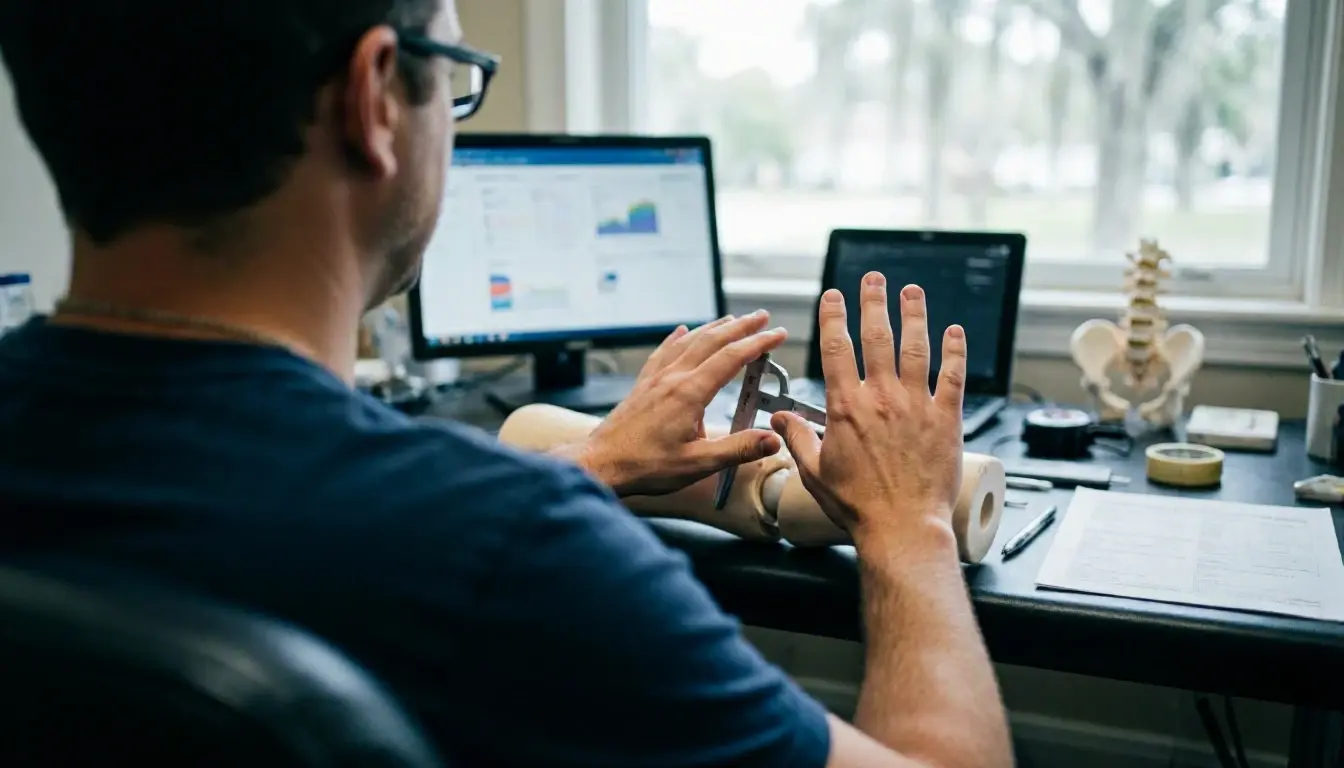
Limited range of motion can significantly impact daily life and overall health. When joints can't move freely, simple activities like dressing, driving. Or carrying groceries may become challenging or painful. Over time, restricted movement can lead to muscle weakness, joint stiffness. And even compensatory injuries in other parts of the body. For example, limited shoulder mobility may force the neck or back to overwork, leading to chronic pain or poor posture. Addressing impaired range of motion early can prevent these secondary issues and improve quality of life.
Beyond physical discomfort, impaired range of motion can also affect mental well-being. Difficulty performing routine tasks can lead to frustration, stress. Or a loss of independence, especially in older adults. Athletes or active individuals may experience setbacks in performance or an increased risk of injury if their joints cannot move through their full range. Restoring mobility through targeted therapies can help individuals regain confidence, return to activities they enjoy. And maintain long-term physical health.
When Impaired Range of Motion Matters Most?
Impaired range of motion becomes particularly important after an injury, surgery. Or diagnosis of a chronic condition. For instance, following a shoulder injury, limited movement may signal a rotator cuff tear or inflammation that requires prompt treatment. Similarly, after knee surgery, restoring range of motion is a key part of rehabilitation to ensure proper healing and prevent stiffness. Individuals with conditions like arthritis or scoliosis may also experience gradual declines in mobility, making regular assessments critical to managing symptoms and preventing further deterioration.
A practical next step is Certain professions or activities demand full range of motion to perform safely and effectively. Construction workers, athletes. And office employees who sit for long periods may develop mobility issues that affect their work. For example, a truck driver with limited neck rotation may struggle to check blind spots, increasing the risk of accidents. In Savannah, GA, where outdoor activities like walking along River Street or gardening are common, maintaining joint mobility can help residents stay active and avoid injuries that could disrupt their daily routines.
Early intervention is key to addressing impaired range of motion. Ignoring stiffness or pain can lead to long-term joint damage, muscle atrophy. Or chronic pain. Regular stretching, strength exercises. And manual therapies like chiropractic adjustments or physical therapy can help restore mobility. If range of motion doesn't improve with self-care, consulting a healthcare provider can identify underlying issues and prevent further complications.