Glossary

What is Mobilization?

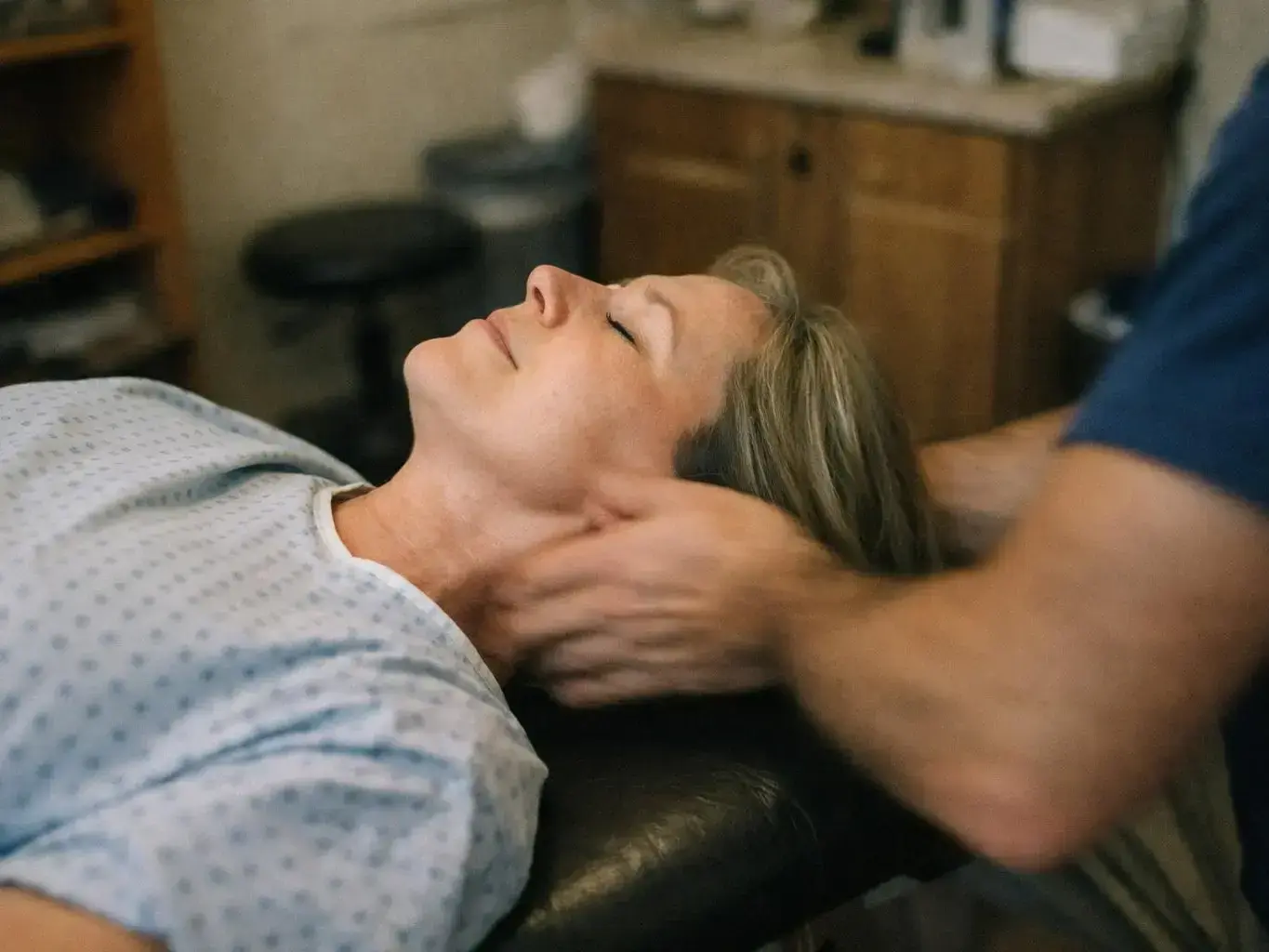
Mobilization is a gentle, hands-on technique used by chiropractors and physical therapists to improve joint movement and reduce stiffness. Mobilization involves slow, controlled movements applied to a joint or muscle to restore normal range of motion without sudden force or cracking sounds. It's often used for patients with pain, injury. Or limited flexibility.

Reviewed by Dr. Harry W. Brown, D.C.Sources reviewed: American Chiropractic Association, National Board of Chiropractic Examiners

Quick Facts About Mobilization

Category

Manual therapy technique

Used for

Improving joint mobility and reducing stiffness

Common confusion

Often confused with spinal adjustment, which uses quick force

Also called

Joint mobilization, Manual mobilization

Often discussed with

Chiropractic Consultation and Diagnosis, Work Injury Treatment

Key Takeaways About Mobilization

Understanding Mobilization
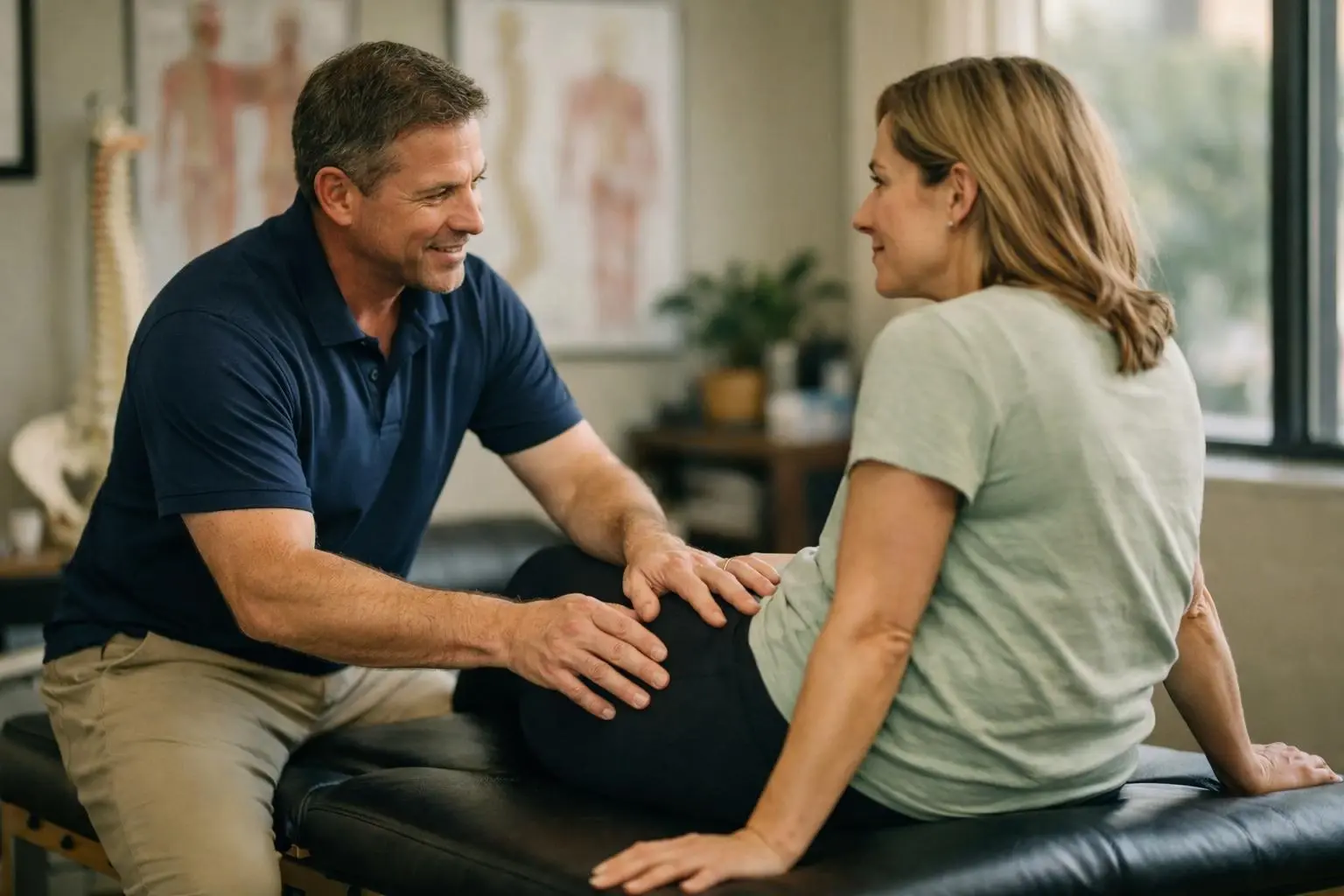
Mobilization in Chiropractor: Mobilization is a gentle, hands-on technique used by chiropractors and physical therapists—v...

Mobilization is a therapy used by chiropractors. It helps joints and muscles move better.

Related glossary terms: Chiropractic Care, Spinal Manipulation, Joint Dysfunction.

Therapists use slow, gentle pressure. They also use stretching. It's not like spinal adjustments.

Adjustments use quick, forceful moves. Mobilization is slow and controlled. This makes it good for some people.

People with injuries or pain like it. It's also good for those with arthritis. They don't like sudden force.

Mobilization works on many body parts. It helps the spine, shoulders. And hips. It also helps arms and legs.

The goal is to help joints work right. It can lessen pain. It can also help you move easier.

It doesn't make cracking sounds. Many find it more comfy. They also feel less scared.

It's often part of a bigger plan. That plan may have exercises. It may also have other therapies.

How Mobilization Works?

During a session, the therapist uses their hands. They push or stretch gently. They work on a joint or muscle.

The moves are slow and steady. They repeat in a pattern. This helps the joint move more.

For a stiff shoulder, they may move the arm. They move it in small circles. They may also move it back and forth.

The pressure matches the patient's comfort. It also matches how bad the problem is.

Mobilization helps the body heal. It wakes up the nerves. It also helps blood flow better.

This can ease swelling. It can relax tight muscles. It can also help healing.

It can break up scar tissue. That tissue can stop movement. It's called adhesions.

Mobilization is safe for most people. It doesn't use sudden force. It's good for weak bones or injuries.

But the therapist must check the patient first. They make sure it fits the patient's needs.

Why Mobilization Matters?
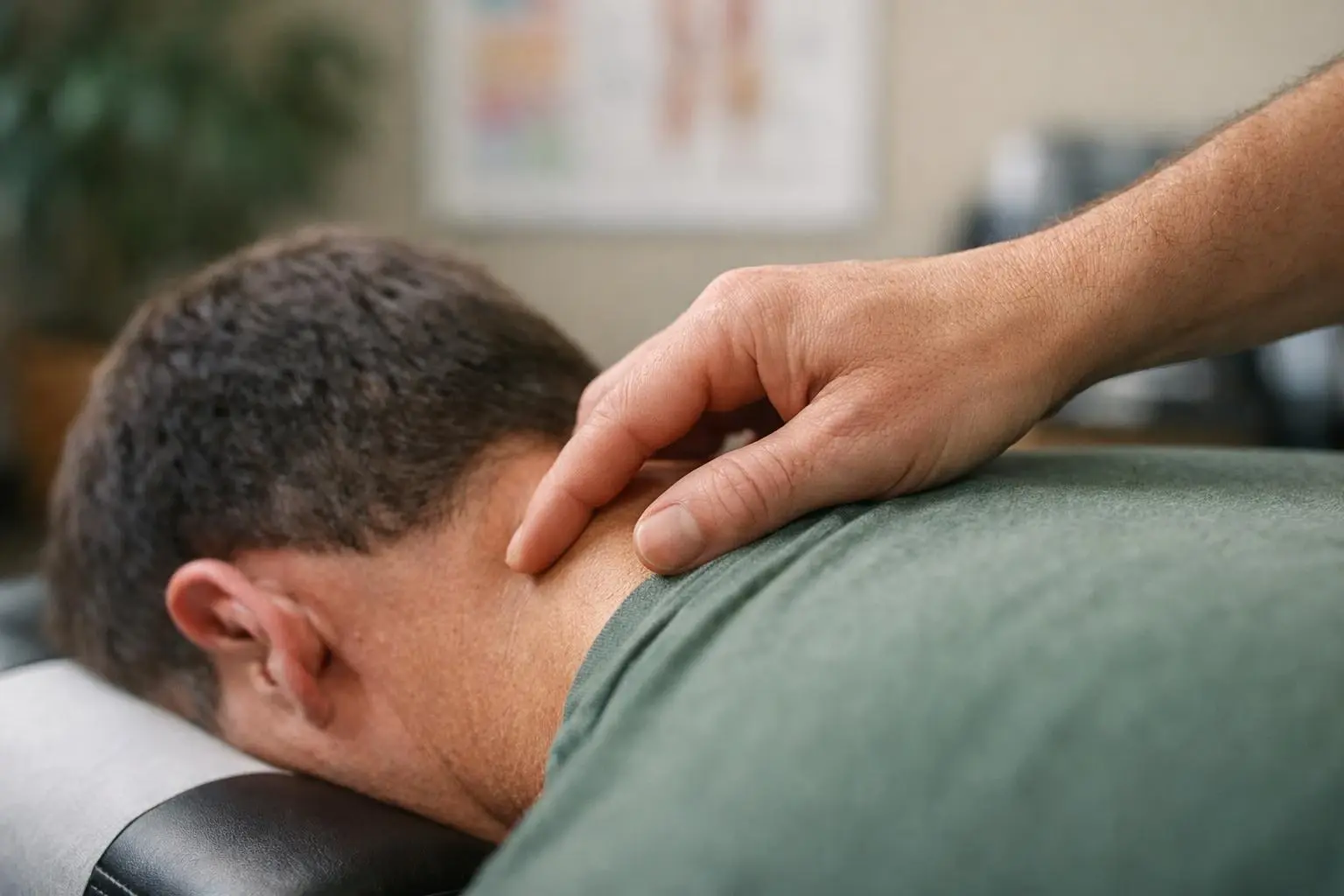
How Mobilization applies to Chiropractor services in Savannah, United States—practical illustration

Mobilization helps chiropractic care a lot. It fixes a big problem. Many patients can't move joints well.

Bad joint movement causes pain. It also causes stiffness. Muscles can get weak too.

Over time, daily tasks get hard. Walking can hurt. Lifting can hurt too. Even sitting can be tough.

Mobilization helps joints move better. It eases pain. It helps without medicine or surgery.

It also works well with other treatments. A patient may have a car accident. They get mobilization for their neck.

Then they do exercises. These make muscles stronger. This mix helps them heal faster.

It also stops future injuries. It's good for long-term problems too. Like arthritis.

Joints stay stiff with arthritis. Mobilization can help. It's part of the treatment plan.

Chiropractors use it to help patients. They help keep patients moving. They also help patients live better.

When Mobilization Matters Most?

Mobilization is good when quick moves aren't safe. Some patients have weak bones. This is called osteoporosis.

Mobilization won't break bones. It's also good after surgery. It helps without hurting healing parts.

It's good for people scared of popping sounds. Those sounds come from adjustments.

In Savannah, GA, many people are active. Some work hard jobs. Mobilization helps them.

It stops and manages injuries. Some sit at desks all day. Their necks or backs get stiff.

Mobilization keeps joints loose. It can stop long-term pain. Athletes use it too.

They may get hurt. It helps them heal. It brings back normal movement.

It also stops new injuries. They may hurt other parts if they don't heal right.
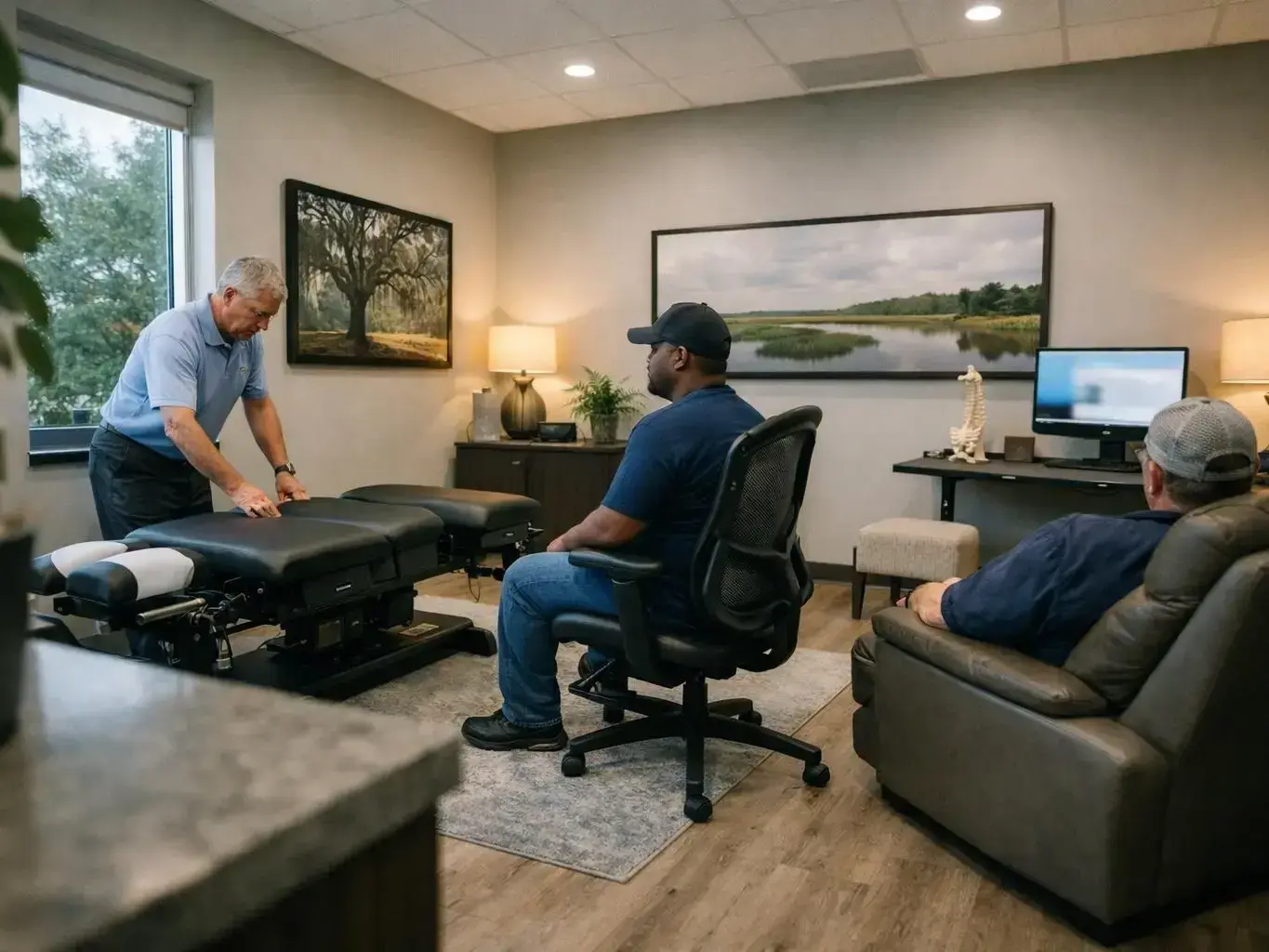
How to Evaluate Mobilization?

Related Concepts Compared

Mobilization vs. Chiropractic Adjustment

Chiropractic adjustments use quick, forceful movements to realign joints, often producing a popping sound. Mobilization is gentler and does not involve sudden force.

Mobilization vs. Stretching

Stretching focuses on lengthening muscles to improve flexibility. Mobilization targets joints and soft tissues to improve movement and reduce stiffness.

Mobilization vs. Soft Tissue Therapy

Soft tissue therapy works on muscles, tendons. And ligaments using massage or pressure. Mobilization specifically addresses joint movement and function.

Expert Note

Mobilization is especially useful for patients who need a gentler approach due to age, injury. Or medical conditions. It can be customized to each patient’s tolerance, making it a versatile tool in chiropractic care.

Common Mistakes or Myths About Mobilization

  • Assuming mobilization is the same as a spinal adjustment—it is gentler and avoids sudden force.
  • Expecting immediate results—mobilization often requires multiple sessions for noticeable improvement.
  • Thinking mobilization is only for the spine—it can be used on shoulders, hips. And other joints.
  • Believing mobilization is painful—it should be comfortable and adjusted to the patient’s tolerance.

Mobilization in Practice: A Real-World Example

A construction worker in Savannah, GA, develops stiffness in his shoulder after years of lifting heavy materials. His chiropractor recommends mobilization to gently improve joint movement. Over several sessions, the worker notices less pain and greater ease when lifting, allowing him to return to his job without discomfort.

Related Services

Related Terms

Chiropractic Care

Chiropractic Care is a health care profession focused on diagnosing and treating musculoskeletal disorders, especially those related to the spine. Chiropractic Care uses hands-on spinal adjustments and other techniques to improve alignment, relieve pain. And support the body’s natural ability to heal without surgery or medication. It's commonly used for back pain, neck pain, headaches.

Spinal Manipulation

Spinal Manipulation is a hands-on treatment technique used by chiropractors and other healthcare providers to apply controlled force to a joint in the spine. This force helps improve spinal motion, reduce pain. And restore function by addressing stiffness or misalignment in the vertebrae. The procedure often produces a popping or cracking sound due to gas releasing from the joint.

Joint Dysfunction

Joint Dysfunction is a condition where a joint in the body fails to move properly, causing pain, stiffness. Or reduced range of motion. It often results from injury, overuse, poor posture. Or muscle imbalances. Joint Dysfunction can affect any joint, including the spine, shoulders, hips, knees. And ankles. And may lead to further complications if left untreated.

Soft Tissue Therapy

Soft Tissue Therapy is a hands-on treatment method that targets muscles, tendons, ligaments. And fascia to reduce pain, improve mobility. And promote healing. Soft Tissue Therapy uses techniques like massage, stretching. And pressure to release tension, break up scar tissue.

Chiropractic Adjustment

Chiropractic Adjustment is a precise manual procedure performed by a licensed chiropractor to restore proper alignment and mobility to joints, particularly in the spine. The adjustment uses controlled force to correct joint dysfunction, reduce pain. And improve nervous system function without surgery or medication. Research supports its effectiveness for conditions like back pain, neck pain.

Arrowhead Clinic Chiropractor

Have Questions About Mobilization?

Contact Arrowhead Clinic Chiropractor for practical guidance on Mobilization and related chiropractor work in Savannah.

+1 912-378-1371