Understanding Ergonomic Assessment
An Ergonomic Assessment makes workspaces safer. It also makes them more comfortable.
Related glossary terms: Posture Correction, Muscle Strain, Joint Dysfunction.
It looks at how people use chairs, desks. And tools. Lighting is checked too.
The goal is to stop strain on the body. Strain can cause pain or hurt you for a long time.
These checks are common in offices. They are also done in factories and warehouses.
Jobs with lots of sitting need them. So do jobs with repeating tasks.
How Ergonomic Assessment Works?
An Ergonomic Assessment starts with watching how you work. They check your posture.
They look at your chair and desk height. They see where your screen is.
They check how you reach for tools. They watch for risks.
Risks include bad moves or too much force. Bad lighting is a risk too.
They think about your body size. They consider your strength.
They also ask about health problems. These can affect your comfort or safety.
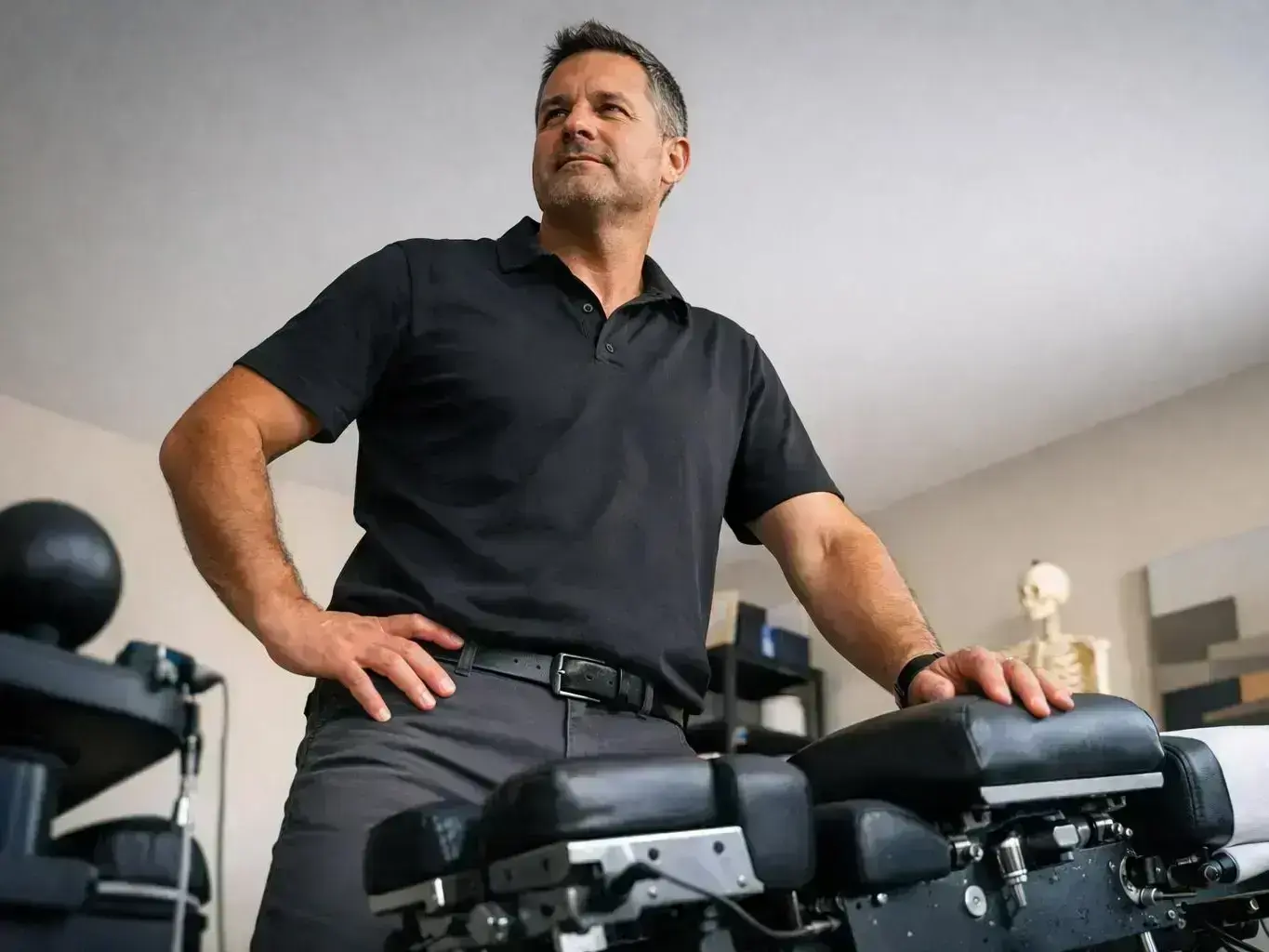
A trained pro does the check. This could be an ergonomist (workspace expert).
It could be a therapist or chiropractor. They visit your workspace.
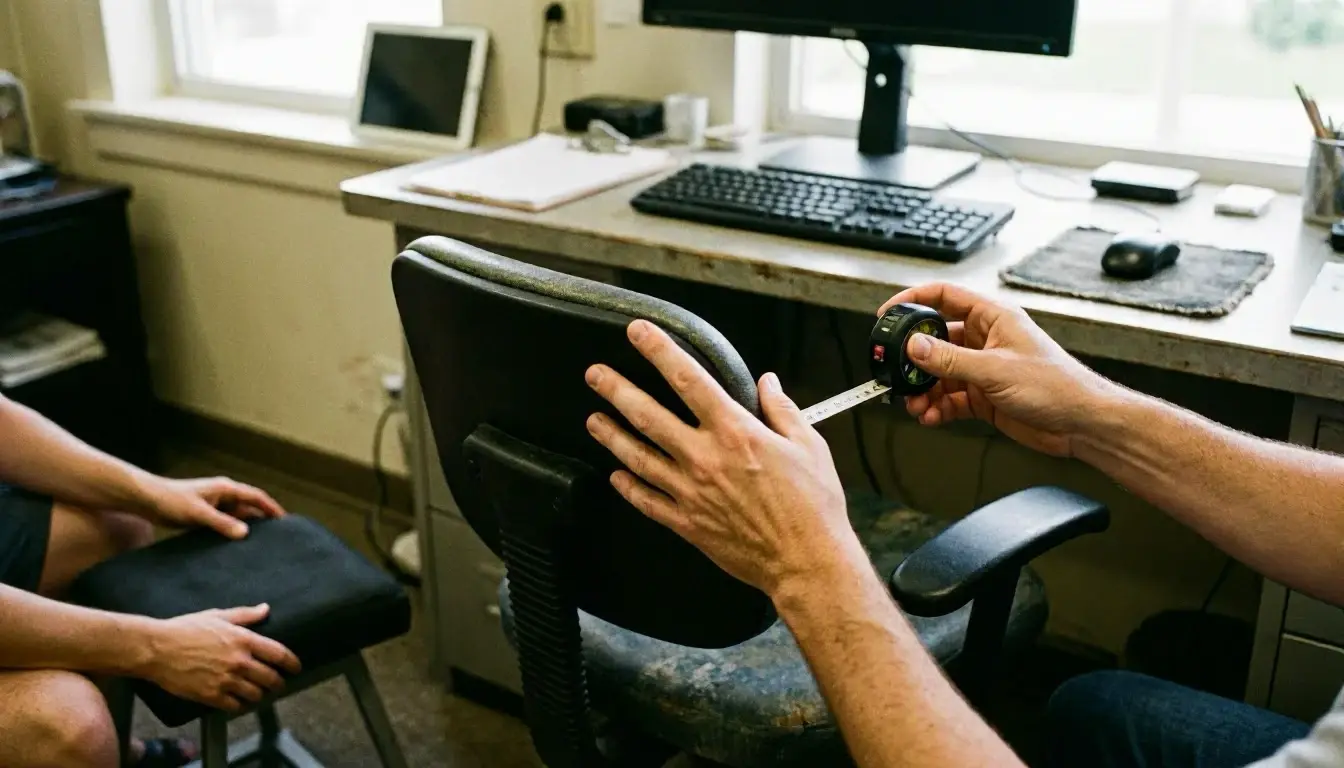
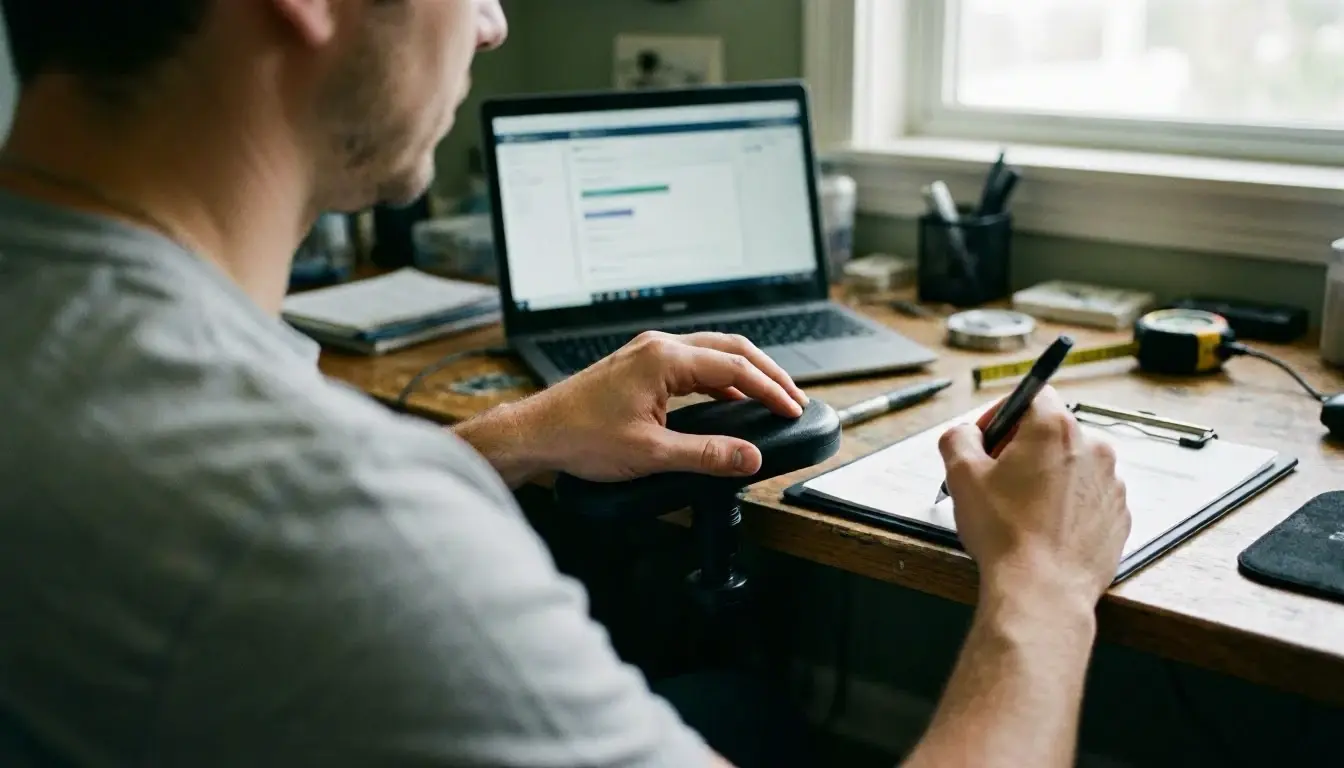
They use checklists and tools. They may take measurements.
Sometimes they record videos. This helps them see how you work.
They might check your chair height. They want to support your back.
They may check your screen angle. This helps your neck.
They ask about pain. You might feel it in wrists, shoulders. Or back.
After they gather info, they suggest changes. These can improve your workspace.
They might tell you to adjust your chair. They may say to add a footrest.
They could move your keyboard. They might give you new tools.
Tools could be mats or special mice. These help you feel better.
They may suggest new work habits. You might take short breaks to stretch.
You could switch tasks. This stops too much repeating.
Changes are usually simple. They don’t cost much.
But they can stop injuries. They can help you work better.
Why Ergonomic Assessment Matters?
Ergonomic Assessments help stop injuries. Injuries can cause pain.
They can make you miss work. They can even hurt you for a long time.
Bad workspaces cause problems. These are called MSDs (muscle and joint issues).
MSDs include tendonitis and back pain. They also include carpal tunnel (wrist pain).
These problems hurt. They may need doctors or therapy.
Sometimes you need surgery. This costs a lot.
Fixing workspace risks helps. It can lower health costs.
It can cut worker claims. It can keep employees happy.
These checks also help you work better. Comfort helps you focus.
You can work faster. Small changes make a big difference.
You might adjust your chair. You might get a wrist rest.
This helps you feel better. It helps at the end of the day.
Over time, you’ll feel less tired. You’ll like your job more.
You’ll work better too. This is good for everyone.
When Ergonomic Assessment Matters Most?
Some jobs need Ergonomic Assessments more. They help when you feel pain.
Pain could be from screens. It could be from typing.
They are done when work changes. New tools or tasks need checks.
New hires need them too. This stops problems before they start.
Jobs with repeating tasks need checks. So do jobs with heavy lifting.
Factory workers need them. So do builders and nurses.
They face risks from work. These risks can strain their bodies.
Checks can find better tools. They can suggest safer ways to work.
They might give lifting aids. They might adjust workstations.
Home workers need checks too. Home offices may not be safe.