Understanding Chiropractic Neurology
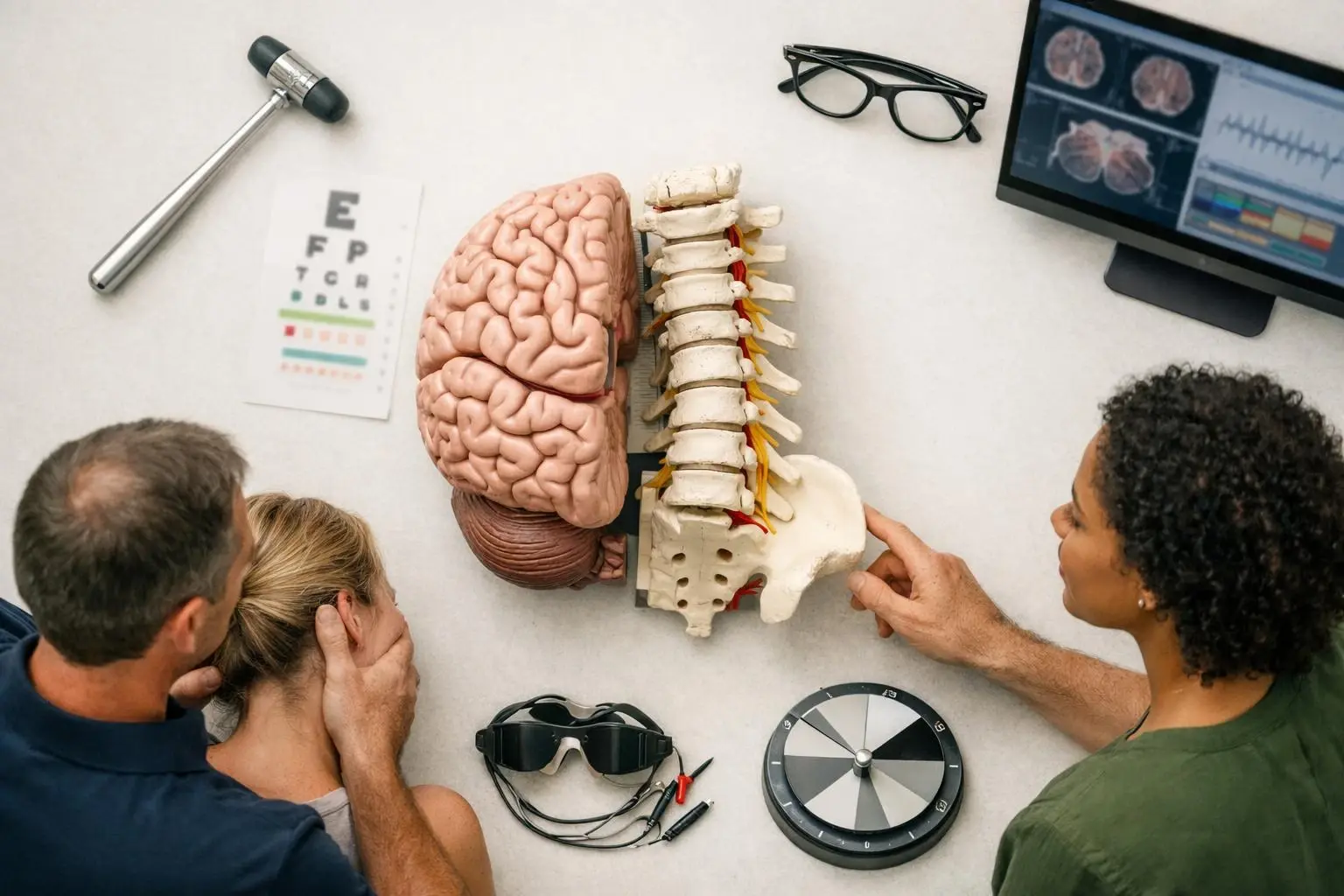
Chiropractic Neurology is a field within chiropractic care that examines how the brain, spinal cord. And nerves work together. Unlike traditional chiropractic care, which often focuses on spinal alignment and muscle tension, Chiropractic Neurology looks at how nervous system dysfunction can affect movement, balance. And overall health. Chiropractic Neurologists study how signals travel between the brain and the rest of the body and how misalignments or injuries can disrupt those signals.
Related glossary terms: Chiropractic Adjustment, Nerve Compression, Posture Correction.
This specialty is based on the idea that the nervous system controls all body functions. When nerve pathways are disrupted—whether by injury, stress. Or misalignment—the body may struggle to move, feel. Or heal properly. Chiropractic Neurologists use tools like balance tests, eye-tracking exercises. And muscle response checks to identify areas where the nervous system is not working as it should. They then use gentle chiropractic adjustments to help restore proper nerve function.
How Chiropractic Neurology Works?
Chiropractic Neurology starts with a detailed neurological exam. This exam may include tests for balance, coordination, reflexes. And sensory responses. For example, a patient might stand on one foot with their eyes closed to check for balance issues. Or follow a moving object with their eyes to test brain-eye coordination. These tests help the Chiropractic Neurologist identify which parts of the nervous system need support.
Once the exam is complete, the Chiropractic Neurologist creates a care plan custom to the patient’s specific needs. This plan often includes chiropractic adjustments focused on areas that affect nerve function, such as the spine, joints. Or muscles. Adjustments are gentle and precise, designed to stimulate the nervous system without causing discomfort. Over time, these adjustments can help improve nerve signaling, reduce symptoms like dizziness or numbness. And boost overall movement and coordination.
A practical next step is Chiropractic Neurology also often includes exercises or activities to reinforce the benefits of adjustments. These might involve balance drills, eye exercises. Or coordination tasks that patients can do at home. The goal is to help the nervous system relearn healthy patterns and maintain improvements between visits.
Why Chiropractic Neurology Matters?

Chiropractic Neurology offers a non-invasive way to address nervous system disorders that can significantly impact daily life. Conditions like vertigo, neuropathy. Or movement disorders can make simple tasks—walking, driving. Or even standing, difficult or unsafe. By focusing on the nervous system, Chiropractic Neurology provides an alternative to medication or surgery, which can have side effects or long recovery times. For patients who prefer natural or drug-free approaches, this specialty can be a valuable option.
Another key benefit's its personalized approach. Because Chiropractic Neurologists use detailed neurological exams, they can pinpoint the root cause of a patient’s symptoms rather than just treating the symptoms themselves. This targeted care can lead to more effective and lasting results, especially for patients who have not found relief through other methods.
When Chiropractic Neurology Matters Most?
Chiropractic Neurology is most helpful for patients experiencing symptoms linked to nervous system dysfunction. These may include chronic dizziness, balance problems, numbness or tingling in the hands or feet. Or movement disorders like tremors or muscle stiffness. It can also be useful for patients recovering from concussions, strokes. Or other brain injuries, as well as those with conditions like multiple sclerosis or Parkinson’s disease who want to support their mobility and quality of life.
This specialty is also a good fit for patients who have tried traditional chiropractic care, physical therapy. Or medication without success. Because Chiropractic Neurology focuses on the nervous system, it can address underlying issues that other treatments might overlook. For example, a patient with chronic back pain might find relief through Chiropractic Neurology if their pain is linked to nerve dysfunction rather than just muscle tension or spinal misalignment.
Chiropractic Neurology is not a replacement for emergency care or conditions requiring medical intervention, such as severe trauma or infections. But it can be a complementary approach for patients looking to improve their nervous system function alongside other treatments.