Understanding Chiropractic BioPhysics
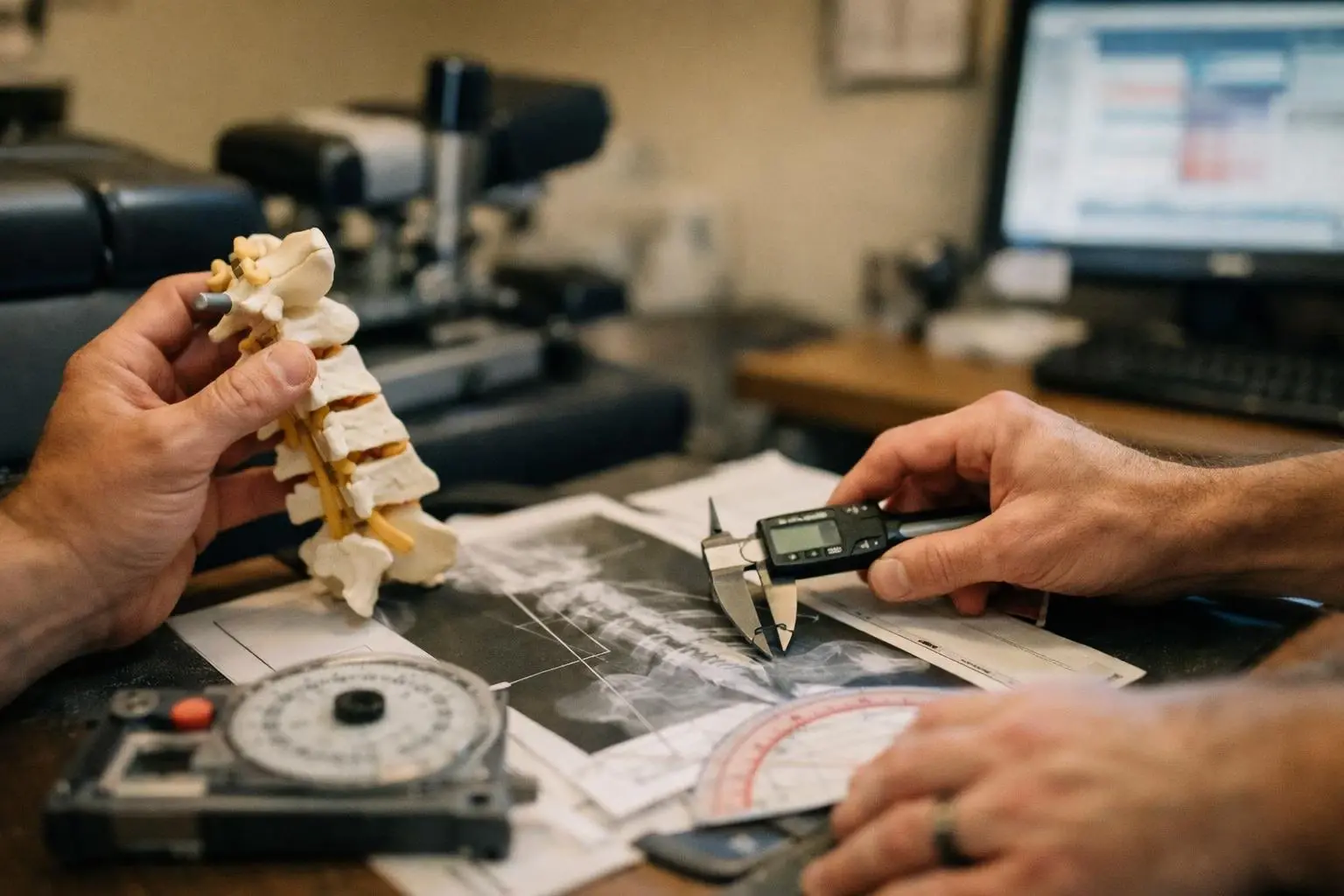
Chiropractic BioPhysics (CBP) is a specialized form of chiropractic care that applies principles of biology, physics. And geometry to understand how the spine works. Unlike traditional chiropractic methods that focus mainly on relieving pain, CBP looks at the entire structure of the spine. It measures how far a person’s spine deviates from normal curves and uses this information to create a plan for correction. This approach helps address the root cause of problems like chronic back pain, headaches. And poor posture.
Related glossary terms: Spinal Adjustment, Chiropractic Care.
CBP was developed in the 1980s by chiropractors who wanted a more scientific way to assess and treat spinal issues. The method relies on detailed measurements, often using X-rays, to see how the spine is shaped. These measurements help chiropractors identify specific problems, such as an exaggerated curve in the lower back or a flattened neck curve. By understanding these structural issues, they can design treatments that aim to restore the spine to a healthier, more natural position.
How Chiropractic BioPhysics Works?
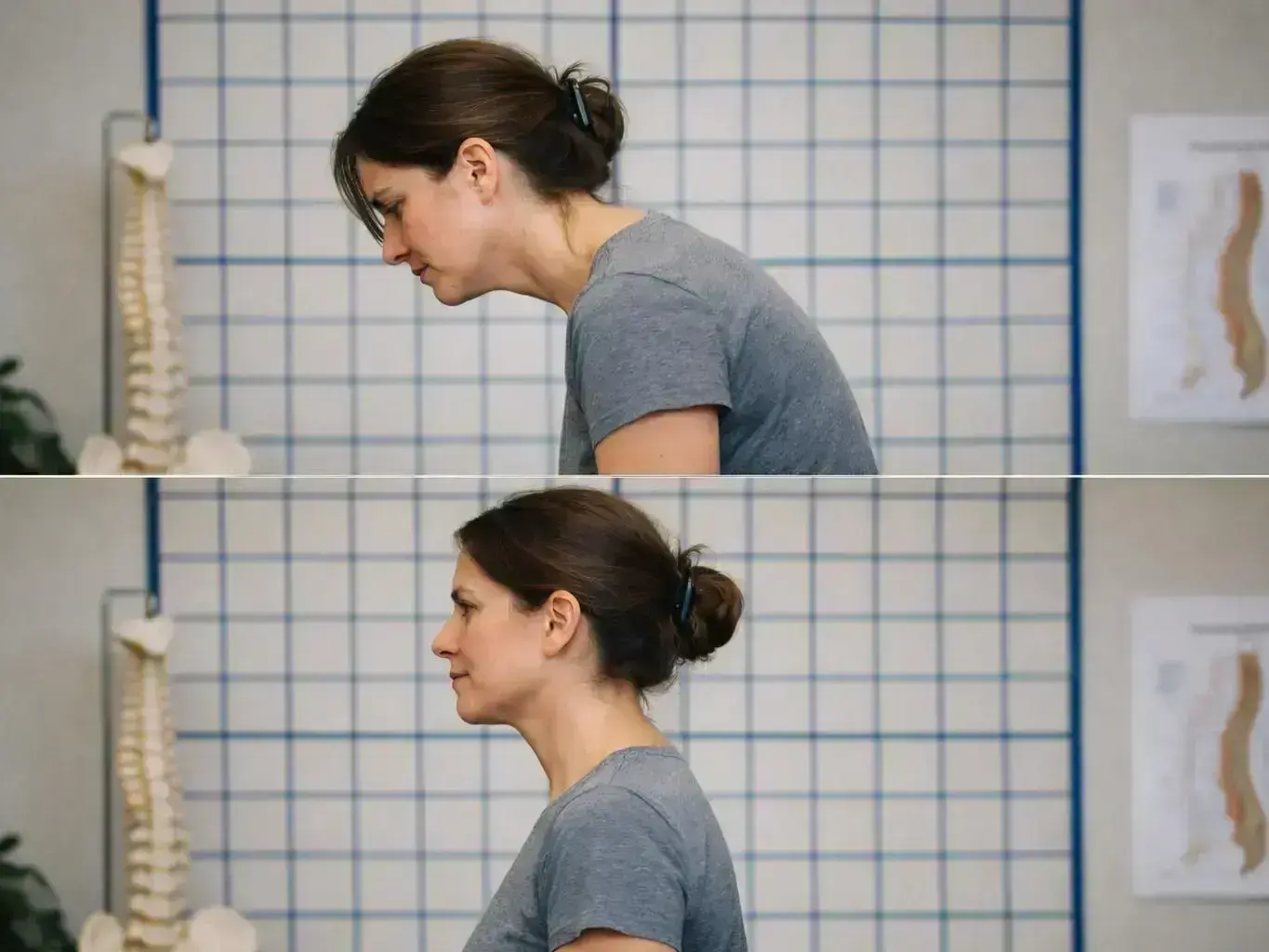
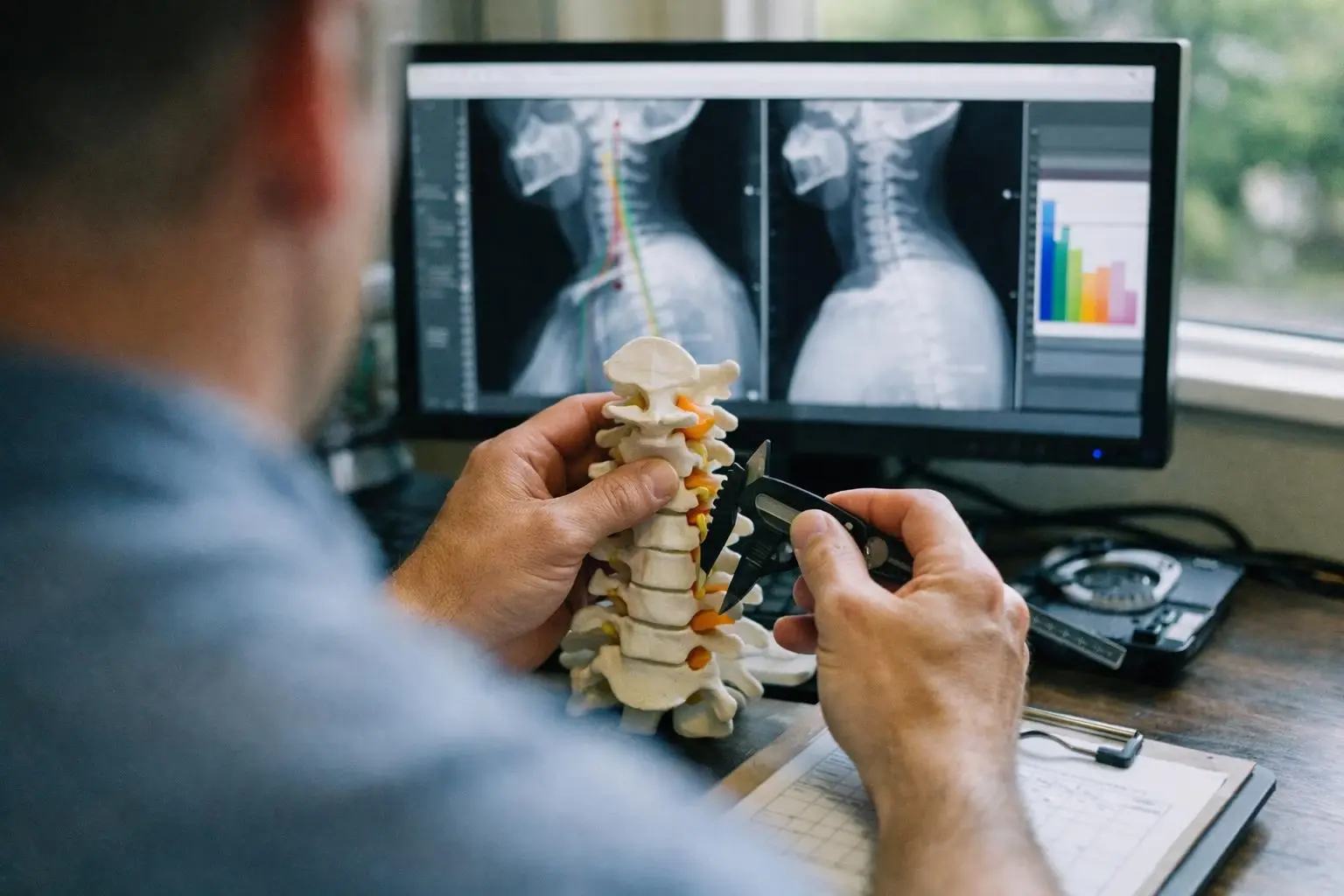
The process begins with a thorough assessment, including posture analysis and spinal X-rays. These X-rays are not just for diagnosis—they serve as a baseline to measure progress over time. Chiropractors trained in CBP use software to analyze the images, calculating angles and curves to see how the spine compares to ideal standards. This data helps them determine the best combination of treatments, which may include adjustments, exercises. And traction devices.
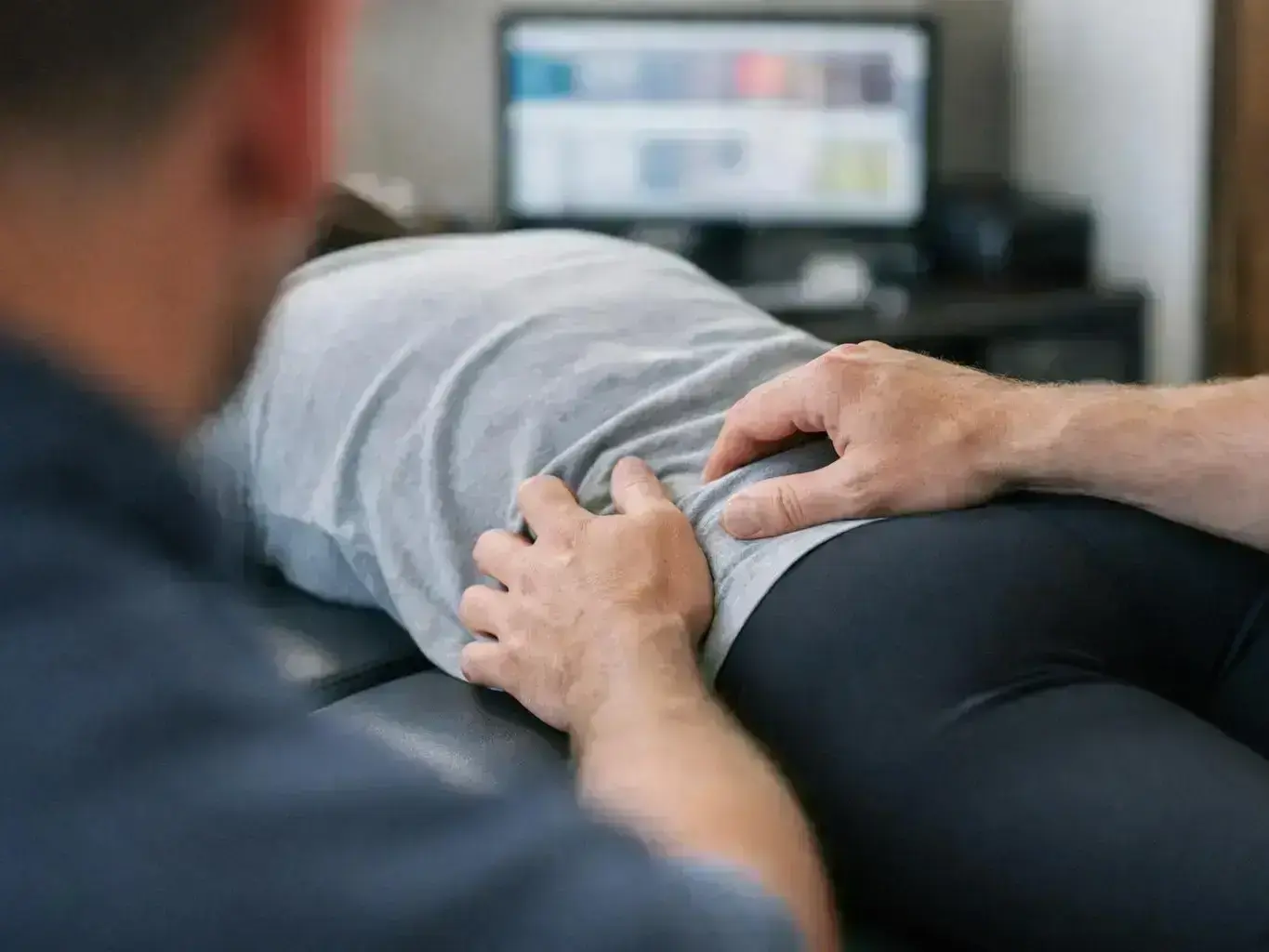
Treatment plans in CBP are highly individualized. A patient might receive spinal adjustments to improve joint movement, along with specific stretches or strengthening exercises to support the spine. Traction, a technique that gently pulls or stretches the spine, is often used to help reshape spinal curves. Patients are usually given exercises to do at home to reinforce the work done in the clinic. Because CBP focuses on structural changes, it often requires weeks or months of consistent care to see lasting results.
Why Chiropractic BioPhysics Matters?
Many people seek chiropractic care for pain relief. But pain is often a symptom of a deeper problem. Poor posture, misaligned vertebrae. Or abnormal spinal curves can put extra stress on muscles, nerves. And joints, leading to chronic discomfort. CBP addresses these underlying issues by aiming to restore the spine’s natural shape. When the spine is properly aligned, the body can function better, reducing strain on nerves and improving overall health.
Another key benefit of CBP is its focus on education and prevention. Patients learn how their daily habits—like sitting at a desk or looking at a phone—affect their spine. They also receive tools, such as exercises and ergonomic tips, to help maintain their progress. In practice, this proactive approach can help prevent future injuries and reduce the need for ongoing care. For people with long-standing spinal issues, CBP offers a structured path to improvement that goes beyond temporary relief.
When Chiropractic BioPhysics Matters Most?
CBP is particularly useful for people with chronic spinal conditions that have not improved with traditional chiropractic care or physical therapy. It can help those with conditions like scoliosis, hyperkyphosis (rounded upper back). Or hypolordosis (flattened neck curve). It's also beneficial for individuals whose jobs or lifestyles put them at risk for poor posture, such as office workers, drivers. Or athletes with repetitive strain injuries.
This approach is not typically used for acute injuries, like a recent sprain or strain, where the goal is immediate pain relief. Instead, it is best suited for patients who are willing to commit to a longer-term plan. Because CBP involves precise measurements and customized treatments, it requires a chiropractor with specialized training. Patients should expect regular follow-ups and progress checks to ensure the treatment is working as intended.