Understanding Licensed Chiropractor

A Licensed Chiropractor is a healthcare provider specializing in the diagnosis, treatment. And prevention of disorders related to the spine, joints, muscles. And nervous system. Unlike unlicensed practitioners, these professionals have undergone rigorous education and training, including earning a Doctor of Chiropractic (DC) degree from an accredited institution. This degree typically requires four years of graduate-level coursework, covering anatomy, physiology, neurology, radiology. And hands-on clinical training.
Licensing is a legal requirement in all U.S. States and many countries, ensuring providers meet minimum competency standards. To obtain a license, candidates must pass the National Board of Chiropractic Examiners (NBCE) exams, which test knowledge in basic sciences, clinical sciences. And practical skills. States may also require background checks, continuing education. And adherence to ethical guidelines. This process protects patients by confirming the practitioner is qualified to deliver safe and effective care.
How Licensed Chiropractor Works?
The role of these professionals begins with a thorough patient evaluation, including medical history, physical examination, and, if necessary, diagnostic imaging such as X-rays or MRI scans. This assessment helps identify the root cause of pain or dysfunction, which may stem from misalignments (subluxations), joint restrictions, muscle tension. Or nerve irritation. Once a diagnosis is made, they develop a personalized treatment plan tailored to the patient’s specific needs.
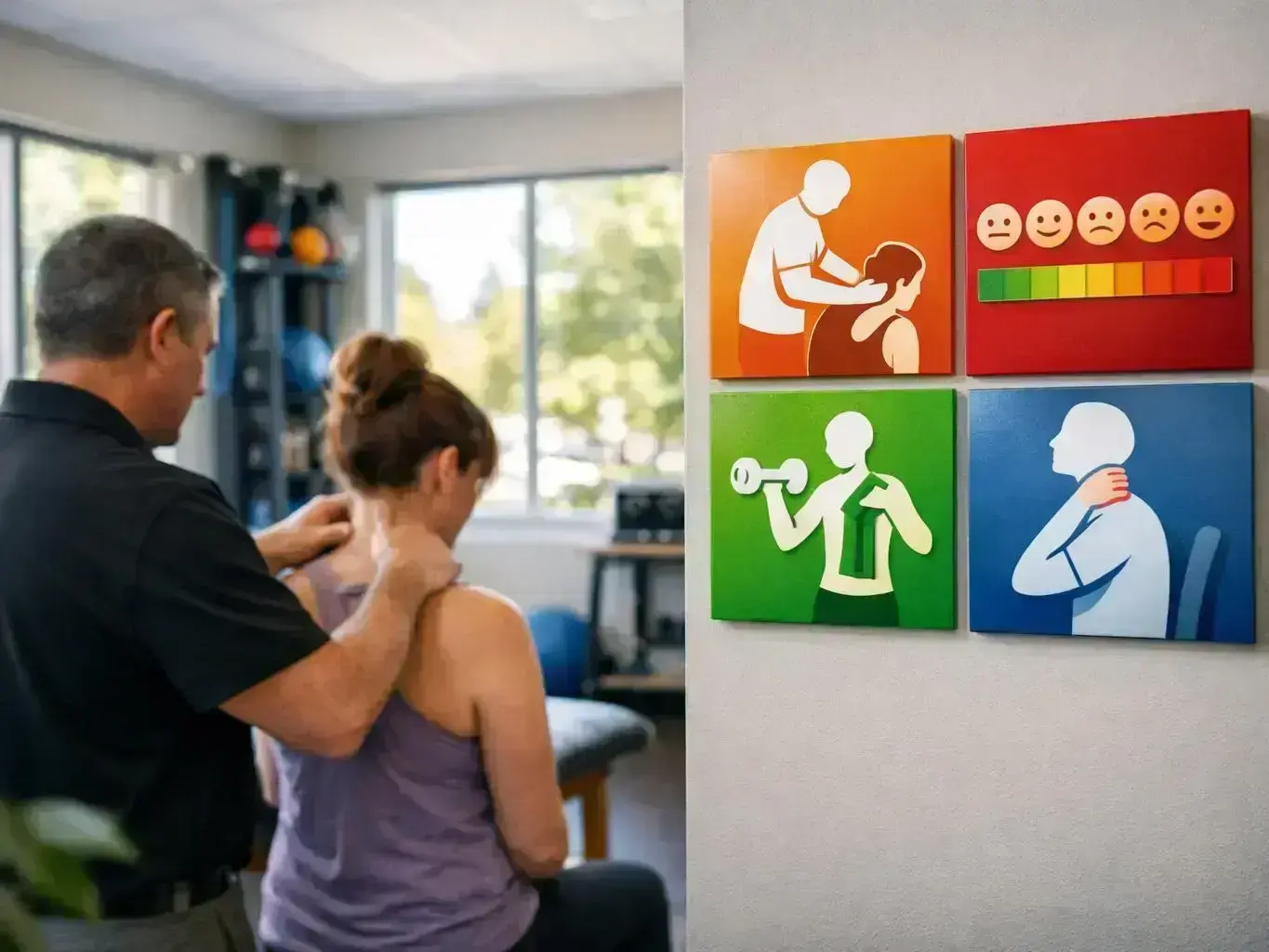
Treatment often involves chiropractic adjustments, also known as spinal manipulations, which are precise, controlled forces applied to joints to restore mobility and alleviate discomfort. These techniques are typically performed using the provider’s hands or specialized instruments. In addition to adjustments, they may incorporate other therapies such as soft tissue techniques (e.g., massage or trigger point therapy), rehabilitation exercises, ergonomic advice. Or lifestyle recommendations. The goal is to address the underlying issue, not just symptoms. And to promote long-term health and function.
These professionals also collaborate with other healthcare providers, such as primary care physicians, physical therapists. Or orthopedic specialists, when a patient’s condition requires multidisciplinary care. For example, if someone has a herniated disc causing severe nerve compression, the provider may refer them to a surgeon for evaluation while continuing to offer supportive care for pain management and mobility.
Why Licensed Chiropractor Matters?

Licensing matters because it establishes a baseline of competence and accountability in this field. Patients seeking help for back pain, neck pain, headaches. Or other musculoskeletal issues can trust that a licensed practitioner has demonstrated the knowledge and skills necessary to provide safe and effective care. Without licensing, there would be no standardized way to verify qualifications, increasing the risk of ineffective or even harmful treatments.
Licensing also ensures adherence to ethical and legal standards, including patient confidentiality, informed consent. And proper documentation. This protects patients from unethical practices and provides recourse if standards aren’t met. For instance, if someone experiences an adverse event during treatment, they can report it to the state licensing board, which may investigate and take disciplinary action if necessary. Additionally, licensing requires providers to stay updated on the latest research and techniques through continuing education, ensuring their care remains evidence-based and aligned with current best practices.
When Licensed Chiropractor Matters Most?
Licensing becomes particularly important in situations where patients are vulnerable or where treatment stakes are high. For instance, individuals recovering from car accidents, sports injuries. Or work-related incidents often seek this care to address pain, restore function. And avoid surgery or long-term medication use. In these cases, working with a licensed professional ensures the treatment is appropriate for the injury and that they can coordinate care with other providers, such as physical therapists or pain specialists.
Licensing also matters when patients consider this solution for chronic conditions, such as sciatica, osteoarthritis. Or migraines. A licensed provider can offer a full evaluation to determine whether treatment is suitable or if a referral to another specialist would be more beneficial. For example. While this work can be highly effective for mechanical back pain, it may not be the best option for conditions like infections, fractures. Or certain neurological disorders. In such cases, the practitioner will recognize the limitations of their scope and direct the patient to the appropriate healthcare provider.
Finally, licensing is essential for legal and insurance purposes. Many health insurance plans, including Medicare and Medicaid, cover chiropractic services only when provided by a licensed professional. Similarly, personal injury claims, workers’ compensation cases. And legal disputes often require documentation from a licensed provider to validate treatment needs and effectiveness. Without proper credentials, records may not be admissible, leaving patients without the support they require.