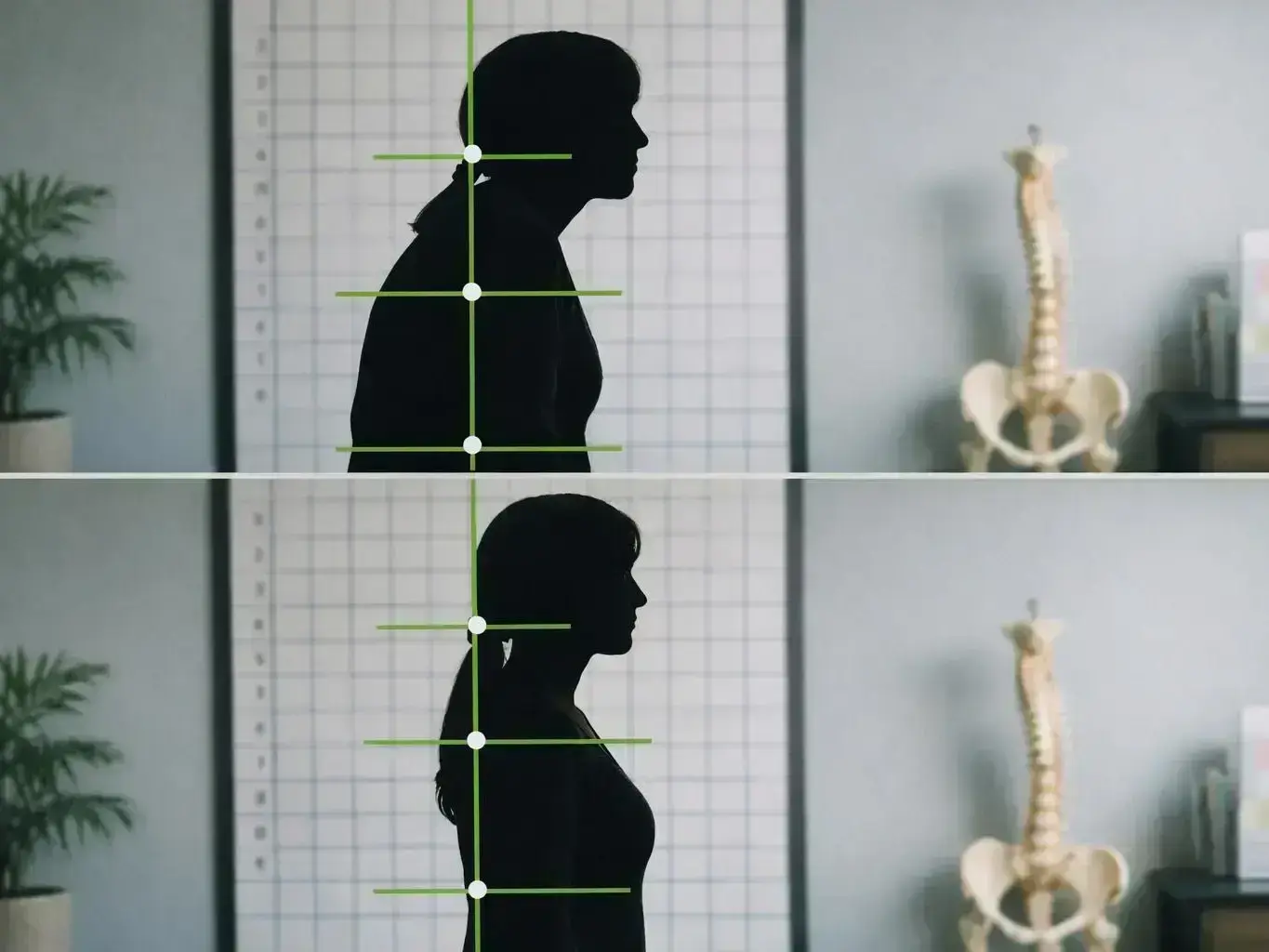
Understanding Intervertebral Disc
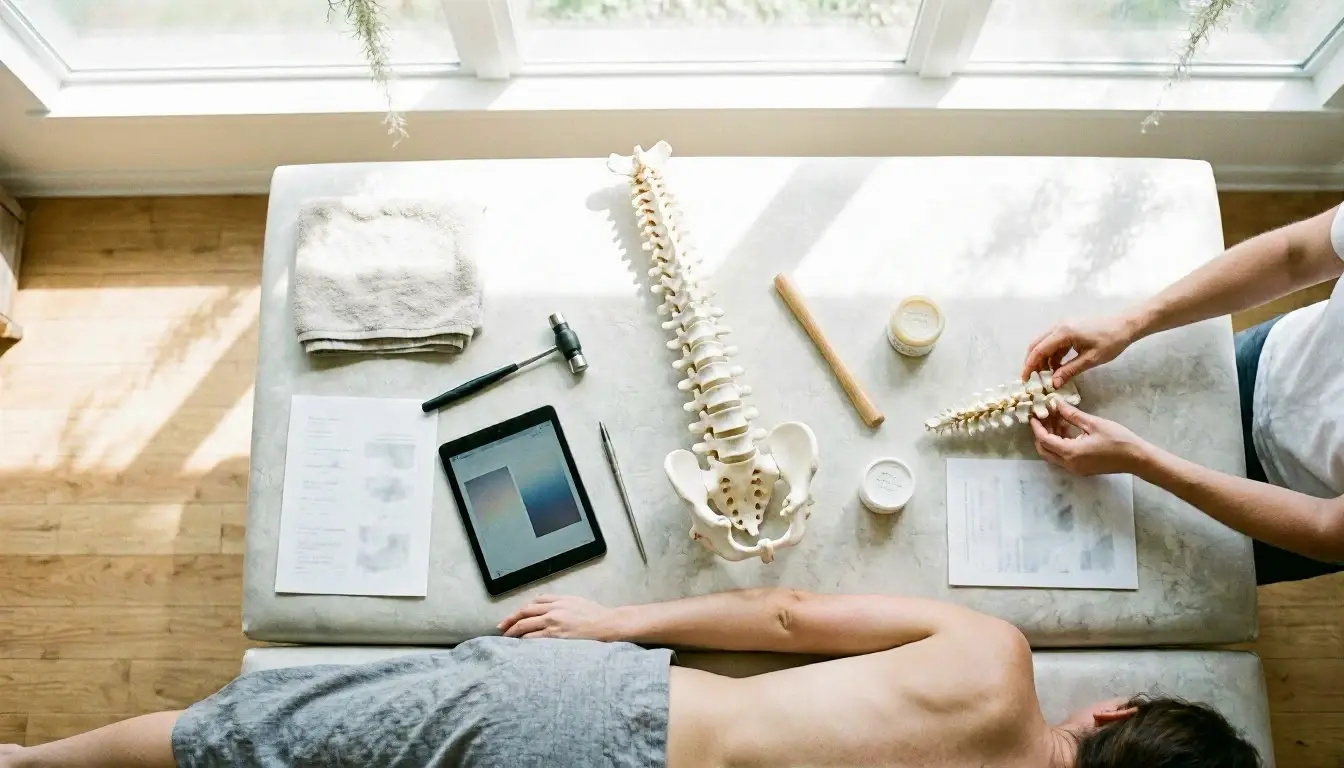
Intervertebral discs sit between each bone in your spine. They go from your neck to your lower back. These discs act like small cushions.
They keep your spine safe when you walk, run. Or lift. Without them, bones would rub together. That would cause pain and stop you from moving well.
Each disc is about the size of a coin. They handle a lot of pressure. They also help your spine stay flexible.
Each disc has two main parts. The first is the nucleus pulposus (a soft, gel-like center). The second is the annulus fibrosus (a tough outer ring).
The soft center acts like a pillow. It spreads out pressure evenly. The tough ring holds the center in place.
The ring also connects the bones. These parts work together. They let your spine bend, twist. And carry weight safely.
Over time, discs lose water. They get less flexible. This makes them more likely to get hurt.
How Intervertebral Discs Work?
Intervertebral discs work like shock absorbers. When you stand, jump. Or lift, they squish a little. The soft center pushes out against the tough ring.
This spreads out the force. It keeps too much stress off any one bone. Your spine can move smoothly without getting hurt.
When you bend, the front of the disc squishes. The back stretches. This lets your spine flex safely.
Discs need movement and water to stay healthy. They don’t have blood vessels. They get nutrients from moving.
Sitting too long slows this down. The disc gets weaker over time. Too much stress can also hurt it.
This can tear the tough ring. The soft center can push out. This is called a herniated disc.
Herniated discs can press on nerves. This causes pain, numbness. Or weakness.
Why Intervertebral Discs Matter?
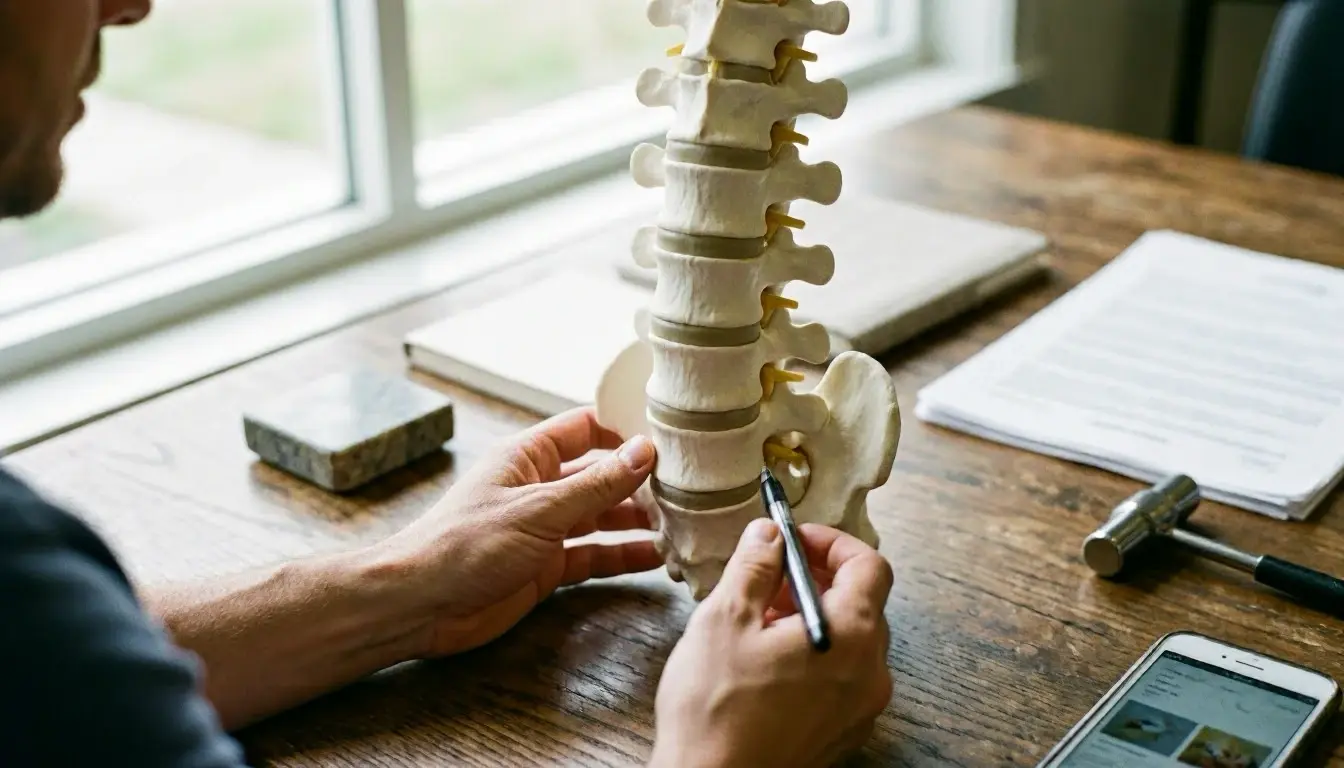
Intervertebral discs keep your spine healthy. They help you move without pain. They also protect your spine every day.
But if discs get hurt or wear out, problems start. You might feel pain all the time. You may not be able to move as much.
Discs can press on nerves too. This happens with herniated discs or degenerative disc disease (when discs wear down). Both cause back pain.
Many people have these problems. Knowing about disc health helps. You can learn how to stand, exercise. And lift safely.
Disc problems don’t just hurt. They can change your life. Chronic pain makes daily tasks hard.
It can lower how much you get done. It can also make life less fun. A herniated disc in your lower back can cause sciatica (leg pain).
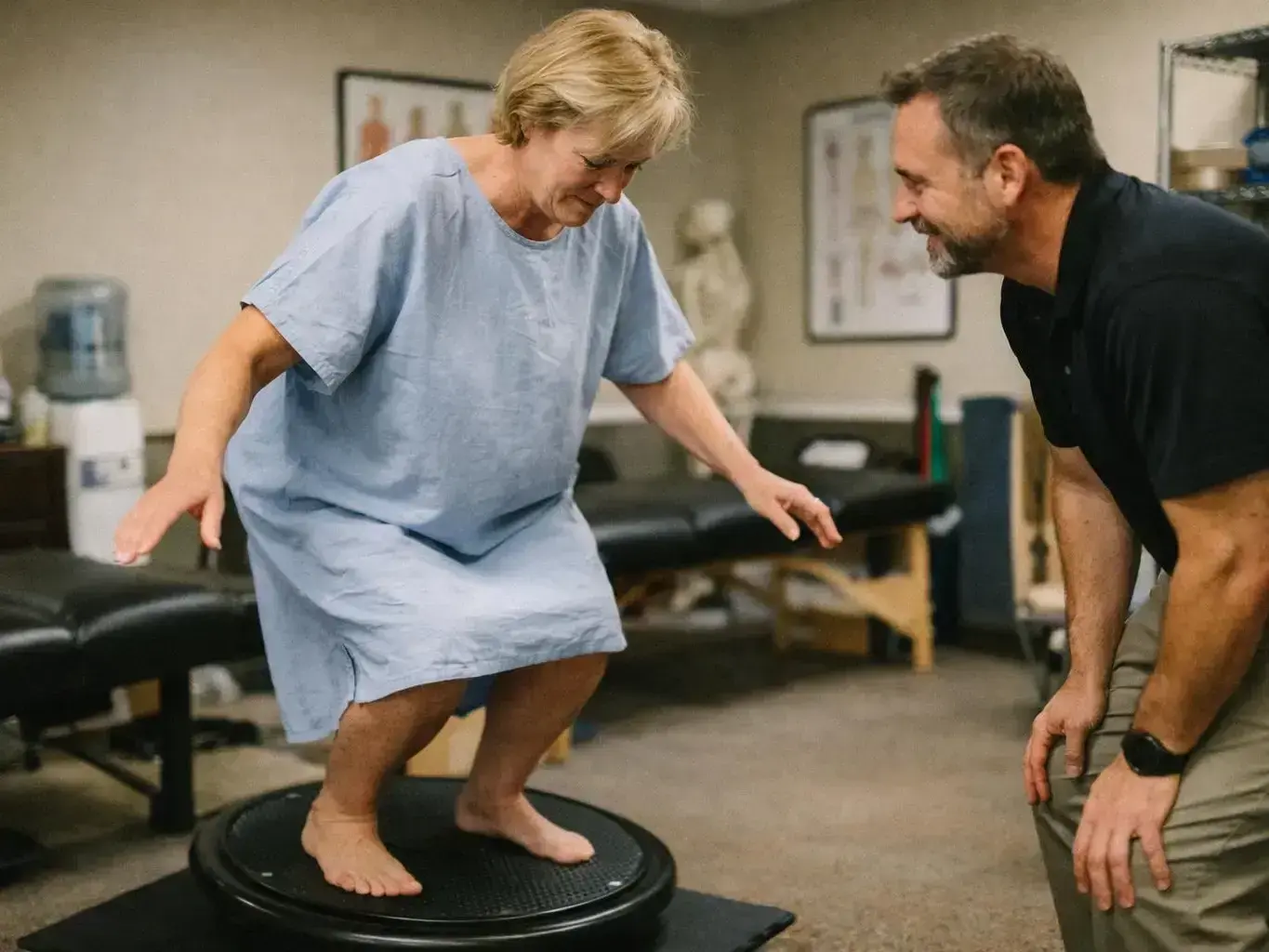
Chiropractic care or physical therapy can help. They ease pain and stop more damage. Exercise, safe lifting. And good posture keep discs healthy.
When Intervertebral Discs Matter Most?
Intervertebral discs matter most when your spine is under stress. Heavy lifting, bending a lot. Or sitting too long can hurt them.
This raises the chance of a herniated disc. Athletes and workers who lift a lot are at risk. So are people who sit all day.
Aging also dries out discs. They get less stretchy. Older adults can get disc problems from small stresses.
Discs are important when healing from injuries. A car accident or fall can bruise or herniate them. They need care to heal right.
Chiropractic care, physical therapy. And lifestyle changes help. They support healing and stop long-term problems.
Watch for early signs of disc trouble. These include back pain, stiffness. Or numbness. Getting help early leads to better results.
- Lifting wrong or moving too much can hurt discs. This can cause a herniated disc.
- Aging dries out discs. This makes them more likely to wear down.
- Sitting too long or slouching weakens discs over time.
- Early signs of disc trouble include back pain or numbness.