Understanding Graston Technique
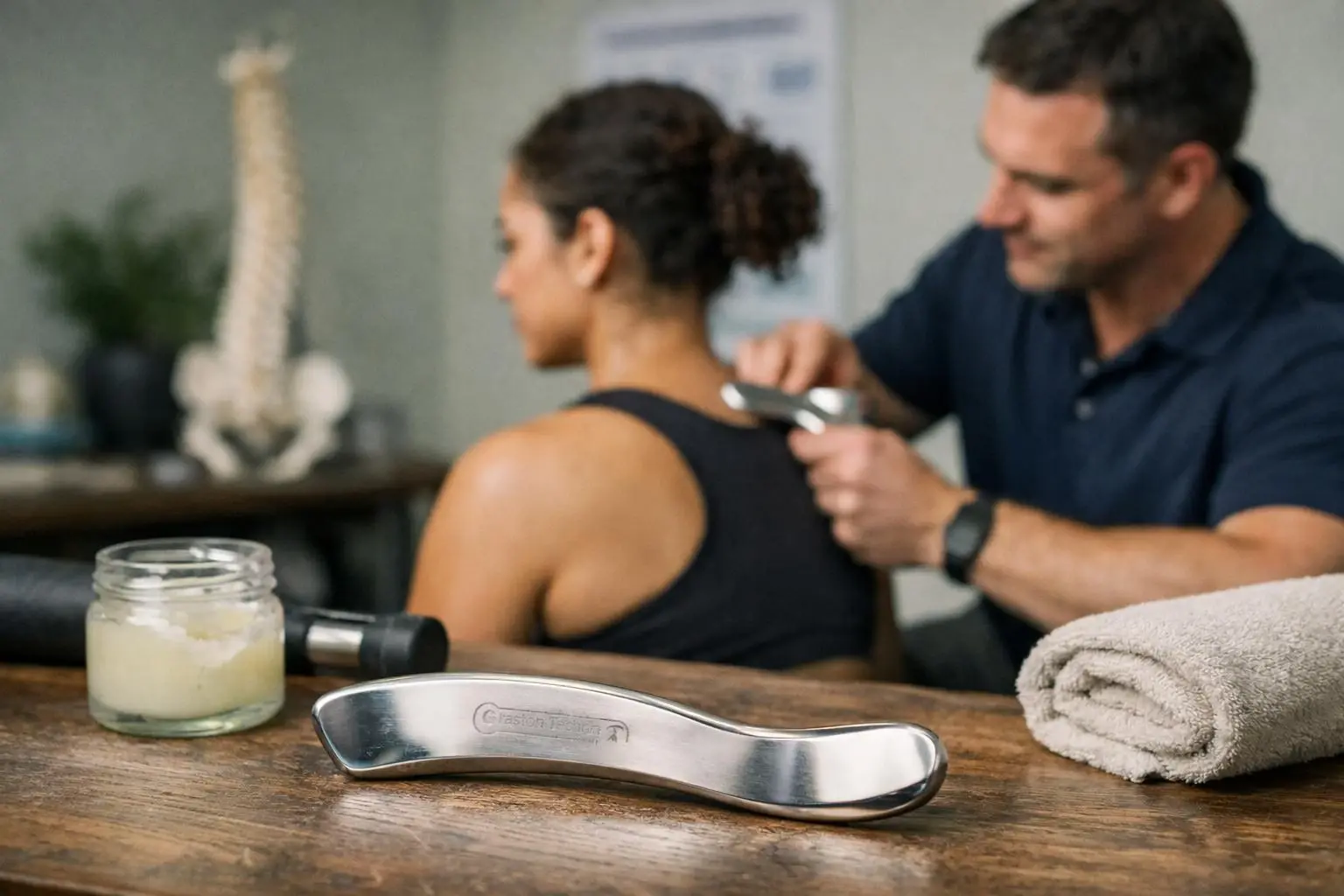
Graston Technique is a manual therapy approach designed to address soft tissue injuries and dysfunctions. It was developed in the 1990s by athletes and clinicians who sought a more effective way to treat chronic pain and restricted movement caused by scar tissue and fascial restrictions. The technique relies on specially designed stainless-steel instruments, which are used to scan and treat areas of the body where soft tissue injuries are present. These tools allow practitioners to detect and break down adhesions—bands of scar tissue that form between muscles, tendons. And ligaments—more effectively than with hands alone.
The technique is grounded in the principles of mechanotransduction, a process where mechanical forces applied to tissues stimulate cellular responses that promote healing. When the instruments glide over the skin, they create a controlled microtrauma in the affected area. This microtrauma triggers an inflammatory response, which increases blood flow and initiates the body’s natural healing processes. Unlike traditional massage, Graston Technique targets specific layers of tissue, making it particularly useful for chronic conditions that have not responded to other forms of treatment.
How Graston Technique Works?
Graston Technique follows a structured process that begins with a thorough assessment of the patient’s condition. The practitioner first identifies areas of restricted movement, tenderness. Or scar tissue using the instruments. Once the problem areas are located, the practitioner applies controlled strokes with the tools at specific angles and pressures. These strokes are designed to break down adhesions and realign collagen fibers in the affected tissues. The technique is often described as feeling like a deep, scraping sensation, which can be intense but is generally well-tolerated.
After the treatment, patients are typically given a set of stretching and strengthening exercises to perform at home. These exercises help maintain the improvements achieved during the session and prevent the reformation of adhesions. Ice may also be recommended to reduce any temporary inflammation or bruising that can occur after treatment. A typical Graston Technique session lasts between 10 and 15 minutes per treated area. And patients often undergo multiple sessions, spaced a few days apart, to achieve optimal results.
A common issue is The effectiveness of Graston Technique is supported by clinical research, which has shown improvements in range of motion, pain reduction. And functional recovery for conditions such as plantar fasciitis, tennis elbow. And chronic ankle sprains. The technique is also commonly used to treat conditions like carpal tunnel syndrome, rotator cuff injuries. And lower back pain caused by soft tissue restrictions. Because it's non-invasive and doesn't involve medications or surgery, it is often preferred by patients seeking conservative treatment options.
Why Graston Technique Matters?
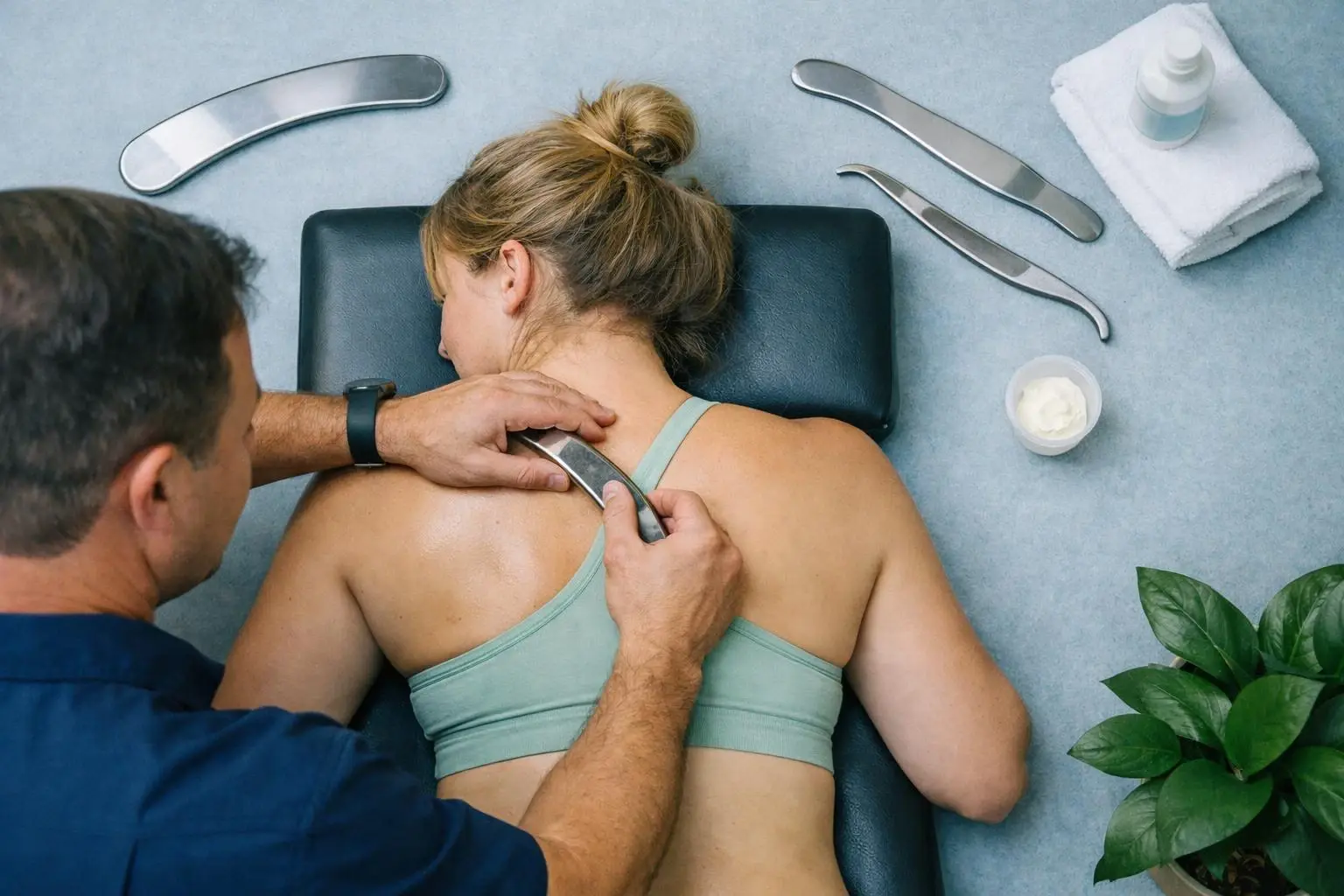
Graston Technique matters because it offers a targeted, evidence-based approach to treating soft tissue injuries that can significantly improve a patient’s quality of life. Chronic pain and restricted movement caused by scar tissue or fascial restrictions can limit daily activities, reduce athletic performance. And contribute to long-term dysfunction. By breaking down adhesions and promoting healing, Graston Technique helps restore normal tissue function, allowing patients to return to their usual activities with less pain and greater ease.
For athletes and active individuals, Graston Technique can be particularly valuable. Sports injuries often involve soft tissue damage. And traditional treatments like rest, ice. Or medication may not be enough to fully resolve the issue. Graston Technique accelerates recovery by addressing the underlying tissue restrictions, which can help athletes return to their sport faster and with a lower risk of reinjury. And the technique can be used proactively to prevent injuries by maintaining healthy tissue mobility and flexibility.
When Graston Technique Matters Most?
Graston Technique is most beneficial in situations where soft tissue injuries have not responded to other forms of treatment, such as rest, physical therapy. Or medication. It is particularly useful for chronic conditions that involve scar tissue or fascial restrictions, such as repetitive strain injuries, post-surgical adhesions. Or long-standing muscle tightness. Patients who experience persistent pain, stiffness. Or limited range of motion—especially after an injury or surgery, may find Graston Technique to be an effective solution.
The technique is also valuable for athletes or individuals recovering from acute injuries, such as sprains, strains. Or tendonitis. In these cases, Graston Technique can help reduce recovery time and improve outcomes by addressing tissue restrictions early in the healing process. And the technique is often used as part of a full rehabilitation program, alongside other therapies like chiropractic adjustments, physical therapy. Or exercise prescription. This integrated approach ensures that patients receive well-rounded care that addresses both structural and soft tissue issues.
In Savannah, GA, where outdoor activities, sports. And active lifestyles are common, Graston Technique can play a key role in helping residents recover from injuries and maintain optimal musculoskeletal health. Whether treating a weekend warrior’s overuse injury or a car accident victim’s soft tissue damage, the technique offers a non-invasive, drug-free option for pain relief and functional improvement.