Understanding Decompression Therapy
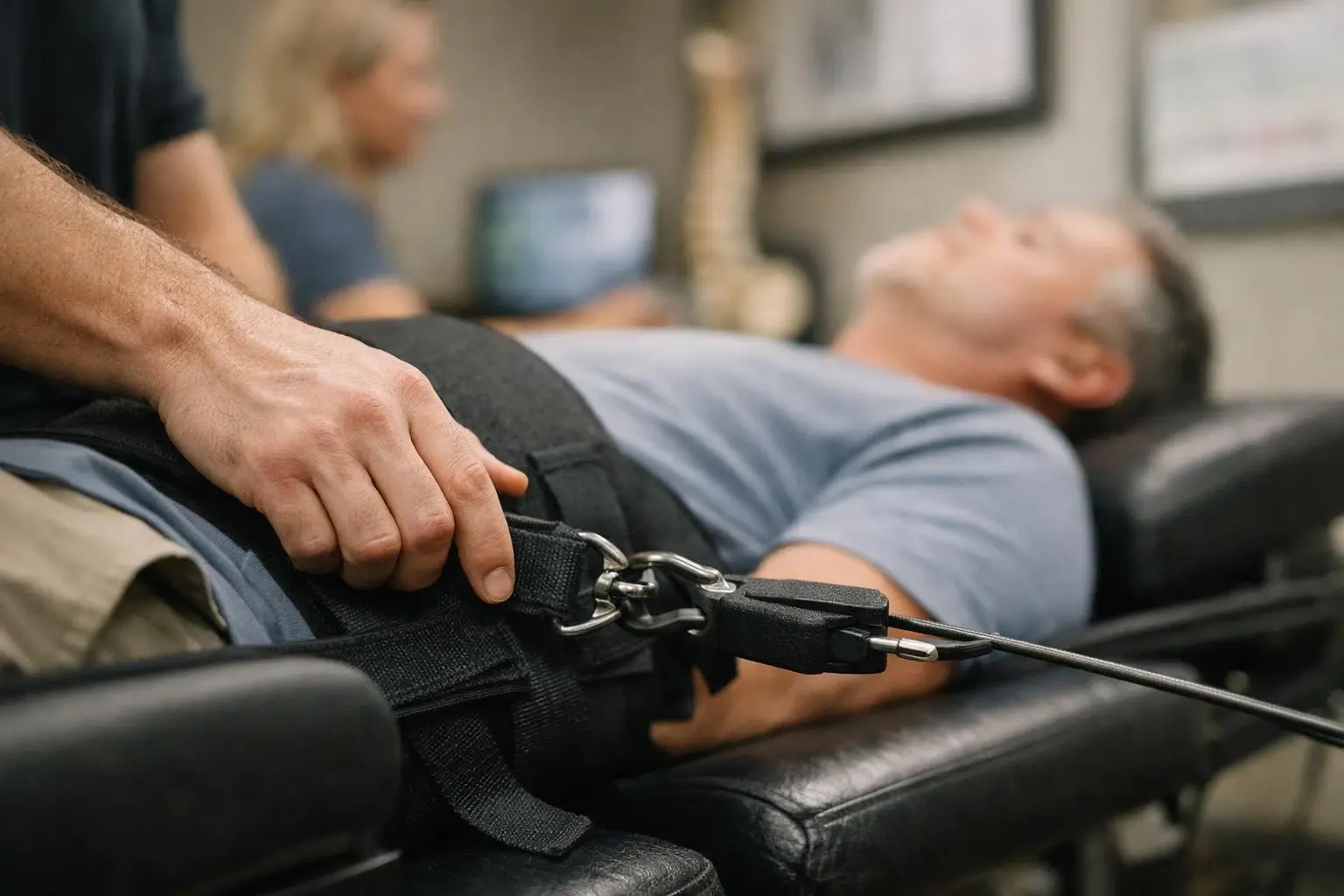
Decompression Therapy helps with spine disc problems. These problems include herniated discs (bulging discs) or worn-out discs.
It's not like regular traction or massage. This therapy pulls the spine gently with a special table. The pull creates a vacuum inside the discs.
This vacuum helps pull back disc material. It also takes pressure off nerves. The goal is to ease pain and help healing start.
It does this without surgery or medicine. You can feel better and move easier.
The therapy works by lowering disc pressure. This lets oxygen, water. And food flow into the discs. These help fix damaged discs.
They also cut down swelling. Decompression Therapy is good for people with long-term back or neck pain. It helps those with sciatica (leg pain from pinched nerves).
It's also for people who didn't get help from other treatments. These include physical therapy or medicine.
How Decompression Therapy Works?
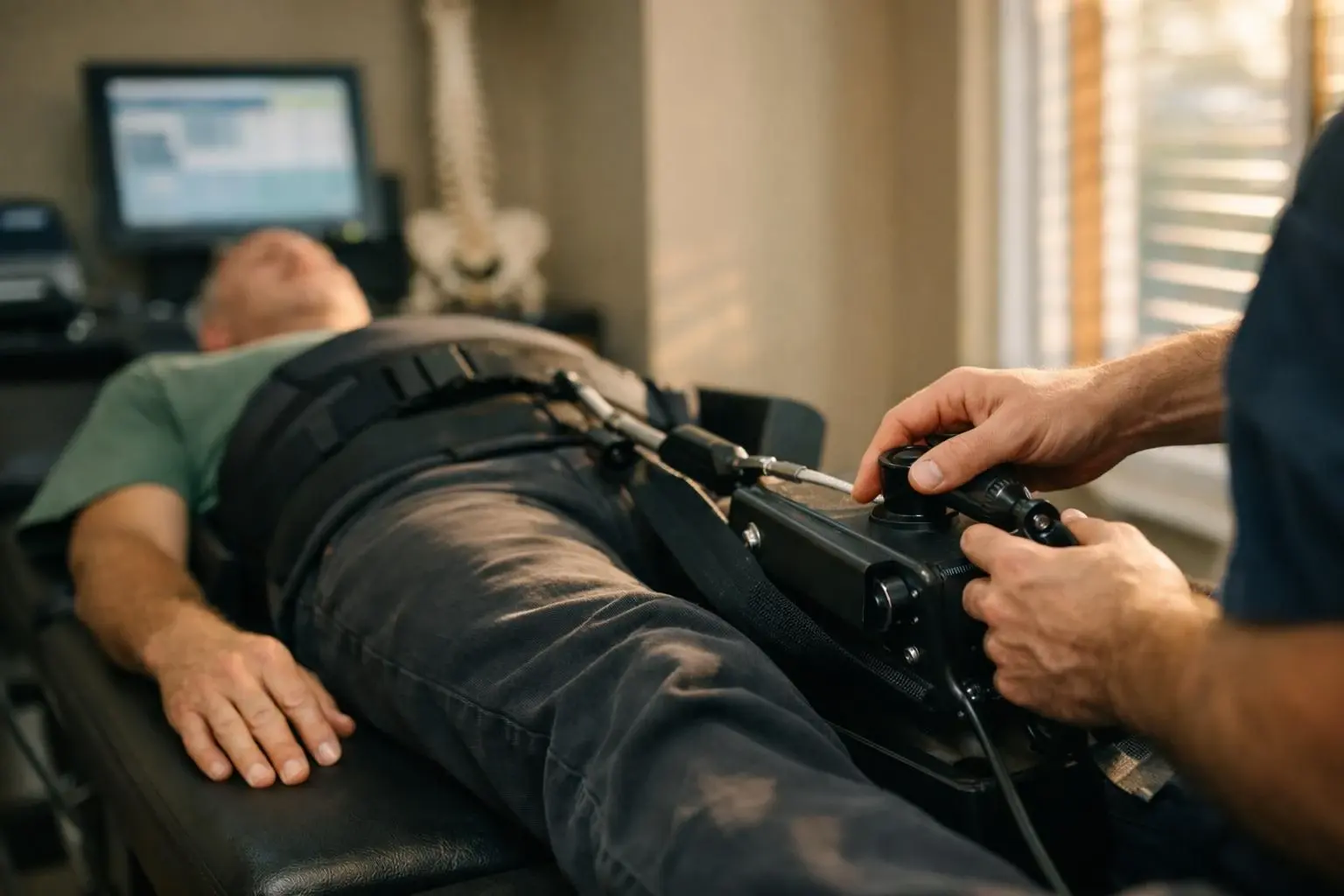
Decompression Therapy uses a smart traction table. The table pulls the spine with just the right force. It pulls only the spots that need it.
During a session, you lie on the table. The table stretches and relaxes your spine. It does this in a slow, controlled way.
The table pulls, then rests. This creates a pumping action. It helps fluids move into the discs.
This helps discs get water again. It cuts swelling and helps healing.
The force used is set just for you. A chiropractor or therapist watches the session. They make sure it's safe and works well.
Sessions last 20 to 45 minutes. You may need 15 to 30 sessions over weeks. Other treatments can be added to help more.
Decompression Therapy isn't for everyone. It works best for certain spine problems. These include herniated discs, narrow spines. Or facet syndrome.
People with broken bones, tumors. Or very weak bones can't use it. A doctor must check if it's right for you.
Why Decompression Therapy Matters?
Decompression Therapy is an option instead of surgery. Many people with bulging discs hurt a lot. They can't move well and life is hard.
Surgery works but has risks. It also takes a long time to heal. This therapy fixes pain without those risks.
It takes pressure off nerves. Discs get better. People hurt less and move better.
They can go back to daily life faster.
Another plus is it helps spines stay healthy. It keeps discs full of water and food. This keeps discs strong.
It stops pain from coming back. This matters for people who stress their spines. Office workers, athletes. And laborers need this.
Doing exercises and sitting right helps too. Together, they keep spines healthy for a long time.
When Decompression Therapy Matters Most?
Decompression Therapy helps people who tried other treatments. These include medicine, therapy. Or chiropractor visits. It works when those don't.
It's great for sciatica (leg pain from pinched nerves). It also helps people with long-term back pain. This pain comes from worn-out discs.
People with numb, tingly. Or weak arms or legs can try it. It takes pressure off nerves.
Getting help early is key. It stops more disc damage. It also cuts the chance of long-term pain.
People who get help fast often feel better sooner. Waiting too long makes it harder. This therapy can help after spine surgery too.
It helps people get strong and move again. This is after surgeries like spine fusion or disc replacement.
Your health and habits matter too. Being overweight, smoking. Or slouching can hurt results. You may need to change these.
A doctor can make a full plan. It will include this therapy. It will also have exercises and other help.
Together, they keep your spine healthy for years.