Understanding Chiropractic License
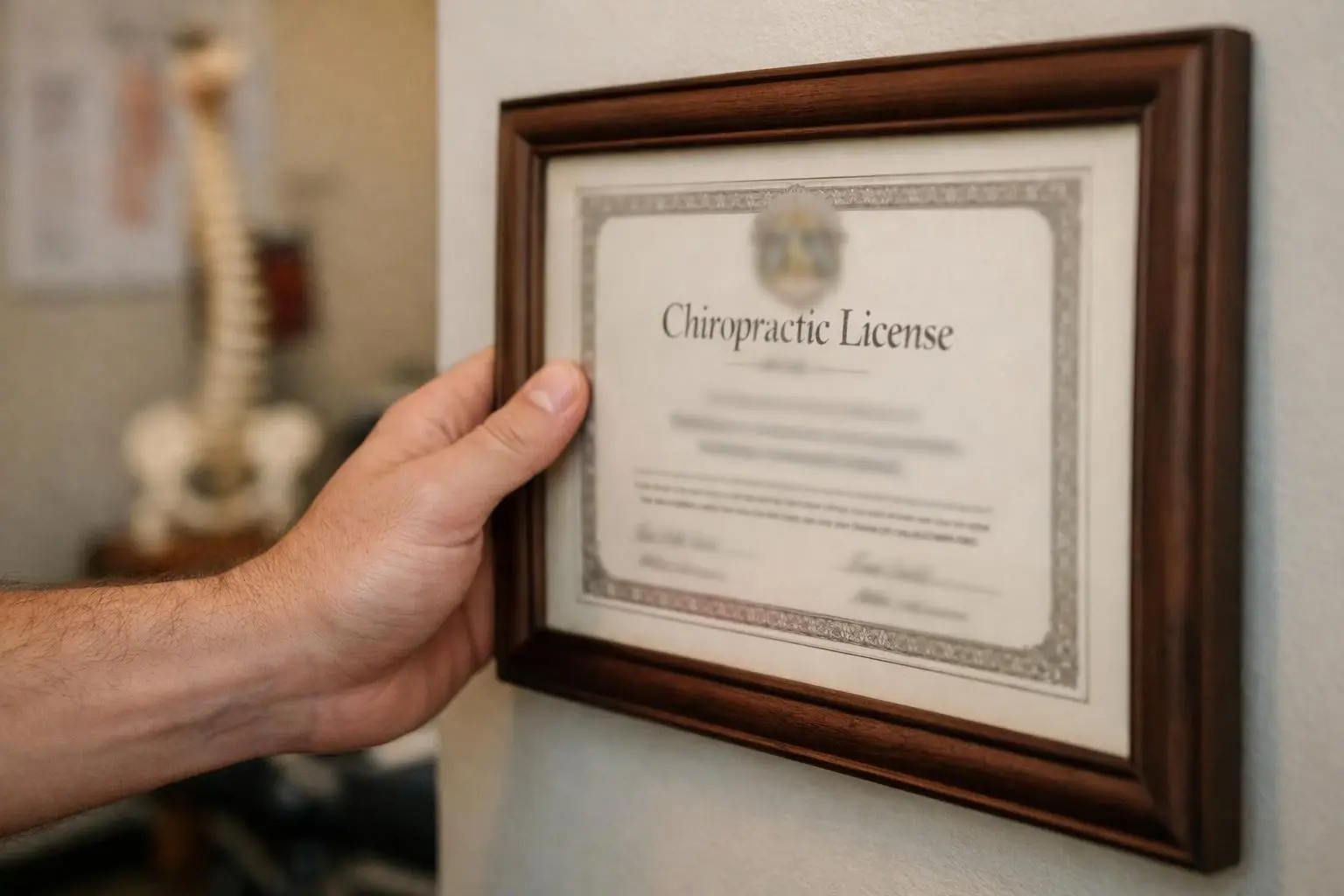
A chiropractic license is a legal permission granted by a state government that allows a doctor of chiropractic to examine, diagnose. And treat patients using spinal adjustments, soft-tissue techniques. And other conservative therapies. Unlike optional board certifications, a license is required by law before any chiropractor can open an office or provide care. The license signals that the practitioner has graduated from an accredited chiropractic college, passed national board exams. And met any additional state-specific requirements.
In the United States, each state sets its own licensing rules through a chiropractic board or medical board. These boards review applications, verify education and exam scores, conduct background checks. And issue the actual license. Once granted, the license must be renewed every one to two years. And chiropractors must complete a set number of continuing-education hours to stay current with new techniques and safety standards. Without a valid license, a chiropractor can't legally bill insurance, advertise services. Or see patients.
How Chiropractic License Works?
The licensing process begins after a student graduates from a four-year chiropractic program accredited by the Council on Chiropractic Education. The graduate then applies to take the national board exams administered by the National Board of Chiropractic Examiners. These exams cover basic sciences, clinical sciences, diagnostic imaging. And practical skills. Passing scores are sent to the state board where the chiropractor plans to practice.
After the state board verifies the exam results and confirms the applicant’s education, it'ssues a license number. This number must be displayed in the office and included on all advertising, prescriptions. And insurance claims. Many states also require a jurisprudence exam that tests knowledge of local laws and regulations. Once licensed, chiropractors must keep records of their continuing-education courses and submit proof at renewal time. If a chiropractor moves to a different state, they typically must apply for a new license in that state. Though some states have reciprocity agreements that simplify the process.
Why Chiropractic License Matters?

A chiropractic license provides a baseline assurance that the practitioner has the knowledge and skills needed to safely adjust the spine and manage common musculoskeletal conditions. Without licensure, patients would have no reliable way to distinguish trained professionals from untrained individuals who might use unsafe techniques or misdiagnose serious conditions. The licensing process also includes background checks, which help screen out applicants with criminal records that could pose risks to patients.
For chiropractors, holding a valid license is essential for professional credibility and legal protection. It allows them to bill insurance companies, participate in health networks. And refer patients to other healthcare providers. If a chiropractor’s license lapses or is revoked, they must immediately stop practicing until the license is reinstated. Patients who receive care from an unlicensed provider may find their insurance claims denied and have little legal recourse if something goes wrong.
When Chiropractic License Matters Most?
Chiropractic licensure becomes especially important when patients are choosing a new provider, especially after an injury or accident. Before scheduling an appointment, patients should verify that the chiropractor’s license is active and in good standing by checking the state board’s online license lookup tool. This is particularly critical in personal-injury cases, where insurance companies and attorneys will only reimburse care provided by a licensed professional.
Licensure also matters when chiropractors expand their scope of practice. Some states allow licensed chiropractors to order diagnostic imaging, perform certain lab tests. Or provide nutritional counseling. But only if the license explicitly covers those activities. Chiropractors who offer services beyond their licensed scope can face disciplinary action, fines. Or loss of their license. Patients who need specialized care, such as pediatric chiropractic or sports rehabilitation, should confirm that their chiropractor’s license permits those services in their state.
In practice, Finally, licensure is a key factor in malpractice insurance and professional liability. Malpractice insurers typically require proof of an active license before issuing coverage. If a chiropractor’s license expires or is suspended, their malpractice coverage may also lapse, leaving them financially exposed in the event of a patient complaint or lawsuit.