What Is Ergonomics?
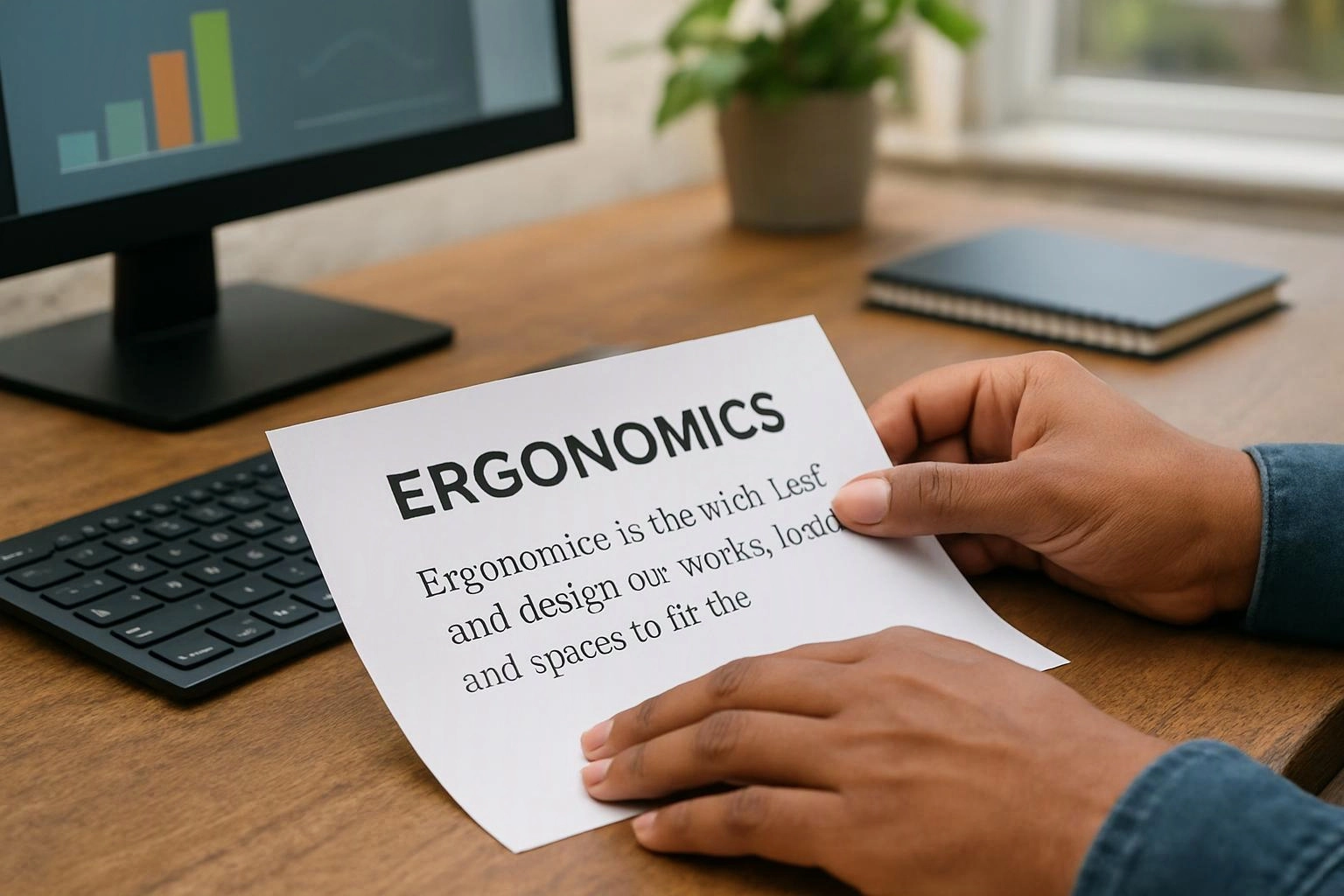
Ergonomics is the study and design of work, tools, and spaces to fit the people who use them. It looks at how a person moves and interacts with a task. In a workplace, ergonomics can involve the height of a desk or the reach needed to handle materials.
Quick Facts About Ergonomics
- Category
- Workplace design
- Used for
- Matching tasks and tools to workers
- Common confusion
- Posture alone
- Also called
- Human factors
- Often discussed with
- Work Injury Treatment, Posture Correction
Key Takeaways About Ergonomics
- Ergonomics considers the task as well as the person.
- A tool's grip can affect how a task feels.
- Good posture alone doesn't define ergonomics.
How Ergonomics Works
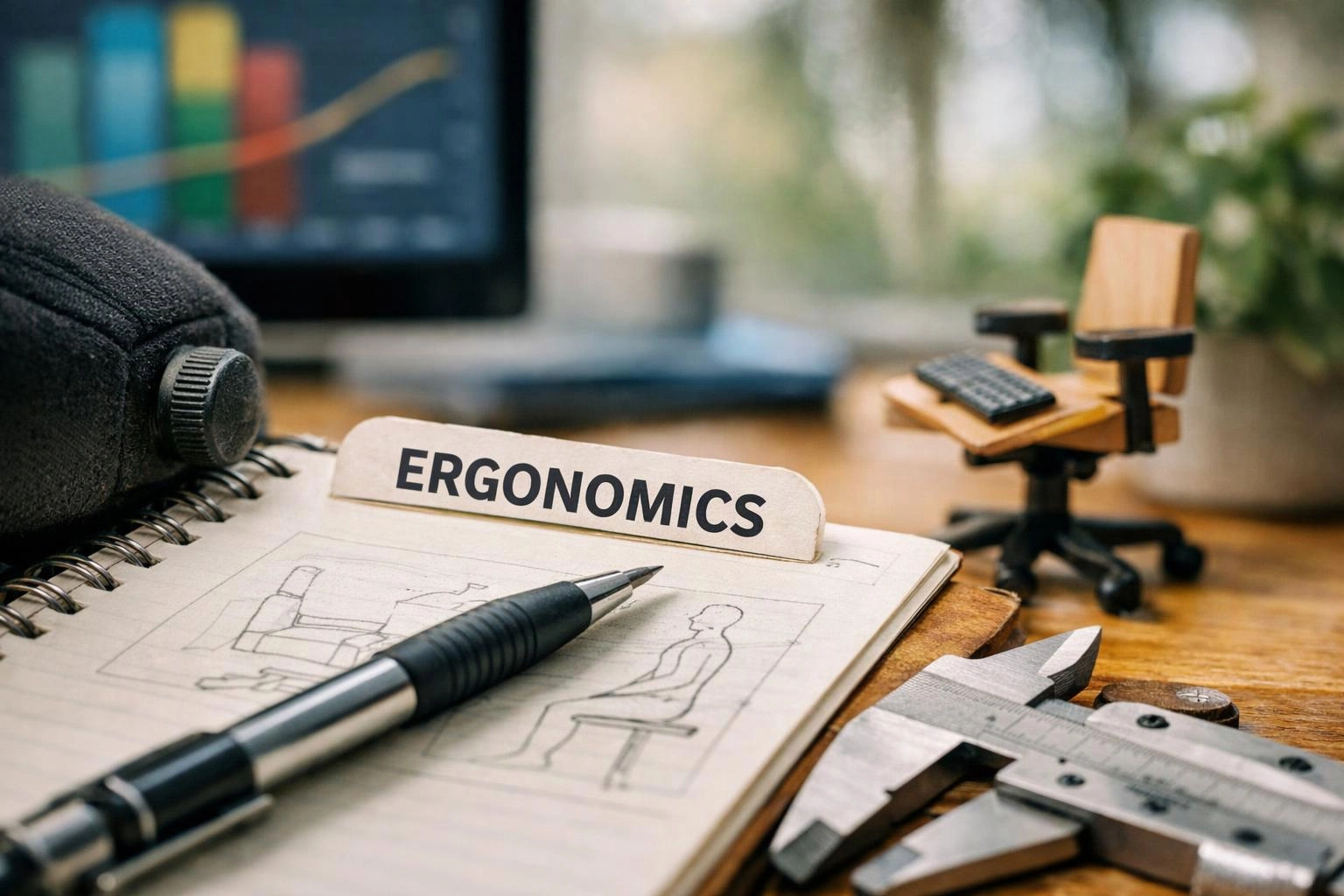
Ergonomics works by looking at the demands a task places on your body. Those demands depend on the task and how you carry it out. A worker's reach, the weight of an object, and the layout of a work area are useful details. Related service: Work Injury Treatment.
Related glossary terms: Repetitive Strain Injury, Forward Head Posture, Range of Motion.
For example, a shelf's location affects how far someone reaches to pick up a box. The box's shape also affects how easy the box is to grasp. Moving the shelf changes the task without changing the worker.
Ergonomics also considers how a task varies across a workday. A job may involve sitting at a desk and handling supplies. Each activity places different demands on your body, so a desk setup alone doesn't describe the whole job.
From the Arrowhead Clinic Chiropractor Savannah team
When we discuss work injuries, we ask about the tasks you do and where you feel discomfort. We also consider whether your work setup affects those tasks. A description of the task can give our team useful context during your visit.
Ergonomics in Practice: A Real-World Example
A worker seeks work injury treatment after developing back discomfort while moving boxes. The worker describes the shelf height and where the boxes need to go, giving the chiropractor context for the visit.
Related Services
Related Terms
Repetitive Strain Injury
A repetitive strain injury is an injury that develops when repeated movements or sustained positions put stress on body tissues.
Forward Head Posture
Forward Head Posture is a position in which your head rests ahead of your shoulders when viewed from the side.
Range of Motion
Range of Motion is the amount of movement available at a joint in a particular direction.
Muscle Spasm
A muscle spasm is an involuntary tightening of a muscle that you cannot control.
Arrowhead Clinic Chiropractor Savannah
Have Questions About Ergonomics?
Contact Arrowhead Clinic Chiropractor Savannah for practical guidance on Ergonomics and related chiropractor work in Savannah.